Zuffa Boxing Fan Criticism After Fisher vs Pirotton
Assessing the main event, worthwhile undercard fights, commentary, branding and empty-seat complaints after Zuffa Boxing 11 in London.
Why the criticism needs an event-specific answer
Zuffa Boxing fan criticism after Johnny Fisher fought Michael Pirotton raises several different questions. Was the heavyweight main event a convincing attraction? Did the supporting fights justify watching? Did the commentary help viewers understand the action? And did the presentation give the boxers enough individual identity? Treating those questions as interchangeable produces a poor review of a boxing card.
The September 26, 2026 fight thread on Reddit's boxing community contained complaints about the headline matchup, commentary and uniform branding, alongside praise for individual undercard contests. That is useful evidence of the issues some engaged viewers noticed. It is not a poll of everyone who watched, a count of paying customers or proof that every broadcast audience had the same experience. An unhappy comment can identify a real problem without measuring its prevalence.
The fairest starting point is therefore the event itself. A promoter can deliver competitive exchanges and still disappoint viewers through its choice of headliner or its broadcast. Equally, irritation with an announcer does not erase a good fight. Fans deserve an assessment that keeps the boxers' work visible while asking whether the wider package earned their time.
What Zuffa Boxing 11 actually delivered
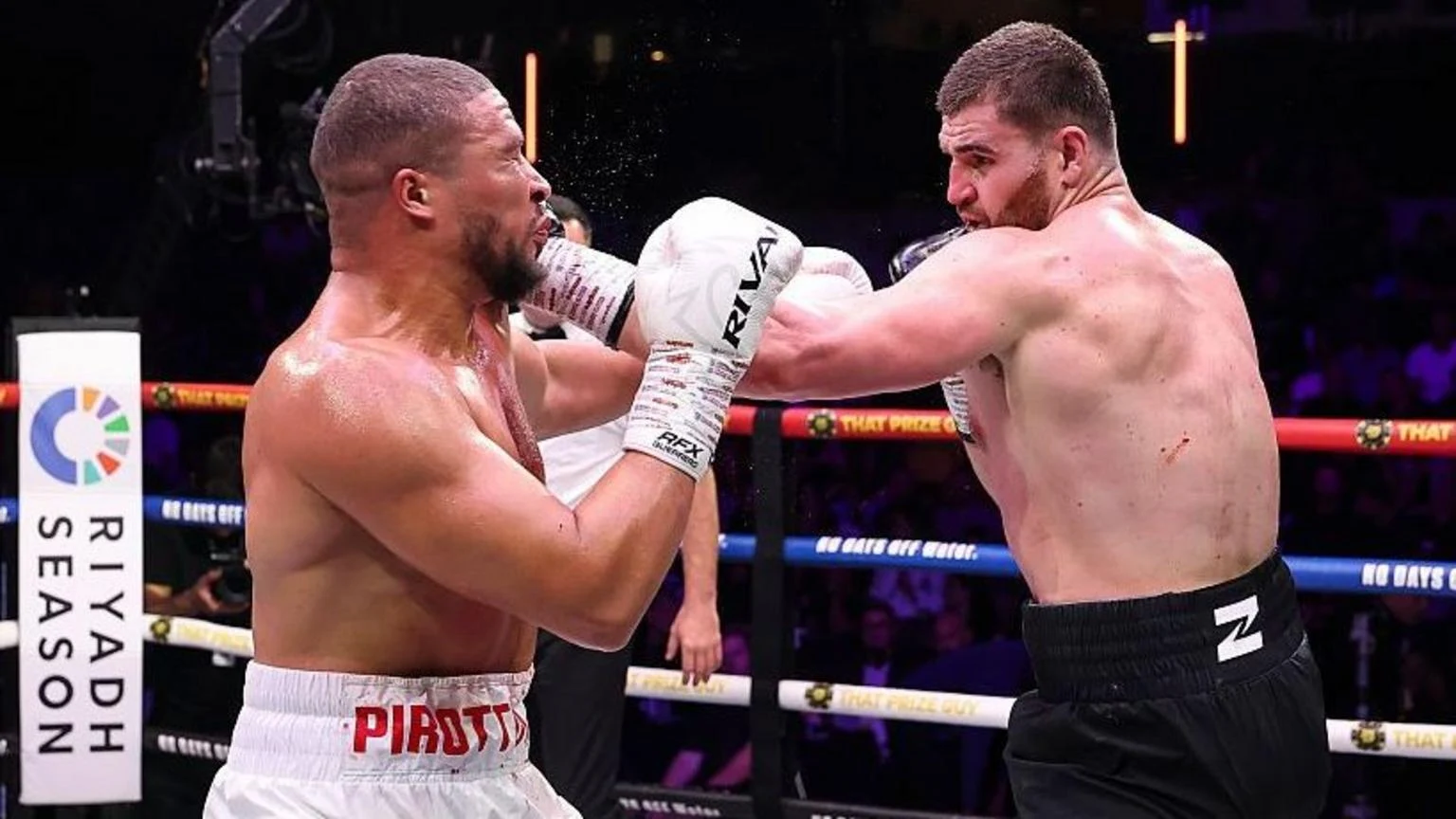
Zuffa Boxing 11 took place at London's Copper Box Arena. The official results record Fisher beating Pirotton over ten rounds by majority decision, with scores of 95-95, 98-92 and 96-95. A majority decision means two judges selected the same winner while the third scored a draw; it does not mean the referee declared the contest even or that the fighters shared the result.
The card also included Radivoje Kalajdzic's unanimous decision over Craig Richards. Those results establish a concrete discussion: a heavyweight headliner went the distance, and the supporting programme had experienced fighters in substantial contests. They do not establish that the entire show was excellent, but they make the claim that there was no meaningful boxing too broad.
The useful question is what each part of the event contributed. Matchmaking should give a fighter an appropriate sporting test. Billing should give viewers a credible reason to care about that test. Commentary should explain what is happening inside the ropes. Presentation should make the participants easier to recognize and follow. When those standards are separated, criticism becomes more specific and the changes fans might want become easier to describe.
Fisher's difficult win did not settle the matchmaking argument
Fisher got the result he needed, but the manner of the win left room for questions. Pirotton kept making him work, and the ten-round distance asked more of the favourite than a short knockout would have. That matters for Fisher's development. It also matters for viewers who expected a headline performance to explain why they should follow the next stage of his career.
Rebuilding a heavyweight and selling a main event are different tasks
Fisher entered his Zuffa debut after Dave Allen stopped him in the fifth round in May 2025. A comeback after that kind of defeat need not involve an immediate leap into the division's hardest available contest. Getting rounds, recovering confidence and showing the ability to solve problems are legitimate sporting objectives. A promoter still has to communicate why that particular rebuilding fight deserves the largest billing on the card.
Those are different responsibilities. A suitable developmental opponent can make sense for the boxer while offering limited appeal to a viewer choosing between several sporting broadcasts. A popular fighter's existing supporters may bring their own connection to the event; a less invested audience needs clearer stakes. That could mean explaining what the contest will test, how it fits the fighter's progression and what a convincing performance would look like.
The result brought Fisher to 15 wins from 16 professional contests at that point. The record is a useful snapshot, but the quality of the next challenge cannot be read from that number alone. Nor should a possible future opponent be treated as booked merely because a name appears in post-fight discussion.
A competitive fight is not proof of elite opposition
The official recap described Pirotton countering an early missed power shot and producing stronger work in the seventh and eighth rounds. Fisher remained dangerous late, landing a substantial right hand in the tenth. The original question for a technical review is how a puncher maintains effectiveness when the other heavyweight keeps returning fire: positioning after an attack, recovery between exchanges and the ability to vary the pace all become important.
A harder-than-expected contest can reveal those problems without proving that either participant belongs near the top of the division. Competitive balance and elite quality are separate judgments. Equally, difficulty does not make a victory worthless. Fisher had to finish the distance with an opponent still participating actively, which provides more information than a one-sided opening round.
The differing score totals also deserve care. They record the judges' decisions; they do not, by themselves, tell us which specific exchanges each judge valued. Calling the bout a robbery from the totals alone would replace analysis with an accusation. The useful criticism asks what Fisher improved, what still needs work and whether the event's billing matched the level of the contest.
The undercard had boxing worth discussing
A review focused entirely on Fisher misses the strongest counterargument to a blanket dismissal of the show: the supporting bouts offered different kinds of interest. Kalajdzic beat Richards unanimously, 97-92 on all three cards, with a knockdown in the final round. The late knockdown gave that contest a clear closing moment. A decision can also be worth following for the adjustments and momentum changes that precede its result, rather than only for the size of the winning margin.
Lee Cutler's unanimous decision over Louis Greene offered another useful example. His success from distance made range management central to the fight. Working behind a jab involves more than accumulating small punches: it can interrupt an opponent's approach, make him reset his feet and leave him reaching for the heavier shot he wants. For a viewer interested in technique, the question is whether the fighter controls where exchanges occur. A bout does not require a knockout to supply that answer.
Leo Ruiz defeated Cesar Mateo Tapia by unanimous decision. Their contest gives body punching a place in this assessment, rather than making every discussion about head shots and sudden finishes. Effective work downstairs can help explain a change in tempo even when the decisive moment is not a single spectacular punch. Commentary that tracks that pattern can make a ten-round contest easier to understand and more rewarding to watch.
Rogelio Romero stopped Aurel Ignat at 2:12 of the third round in the cruiserweight contest that received the promotion's Fight of the Night award. That supplied a different attraction: a short fight with a finish. An award is the promoter's selection, not an independent measurement of everyone's enjoyment, but the bout still belongs in any account of what the event contained.

Alexis de la Cerda also won an eight-round unanimous decision over Cain Lewis. Recognizing that performance gives the developing fighters on the card some space beyond the heavyweight headline. A useful recap should help someone decide which bout to revisit, not assume that every preliminary contest was incidental to the main attraction.
These examples do not oblige a viewer to rate the full broadcast highly. They do show why the complaint needs precision. A fan might appreciate the supporting fights while finding the event's headline or presentation weak. Keeping both judgments visible respects the work inside the ring and sets a clearer standard for the next show. The boxing results page is useful for locating completed cards before choosing a replay or comparing performances.
Commentary and branding can change how a card feels
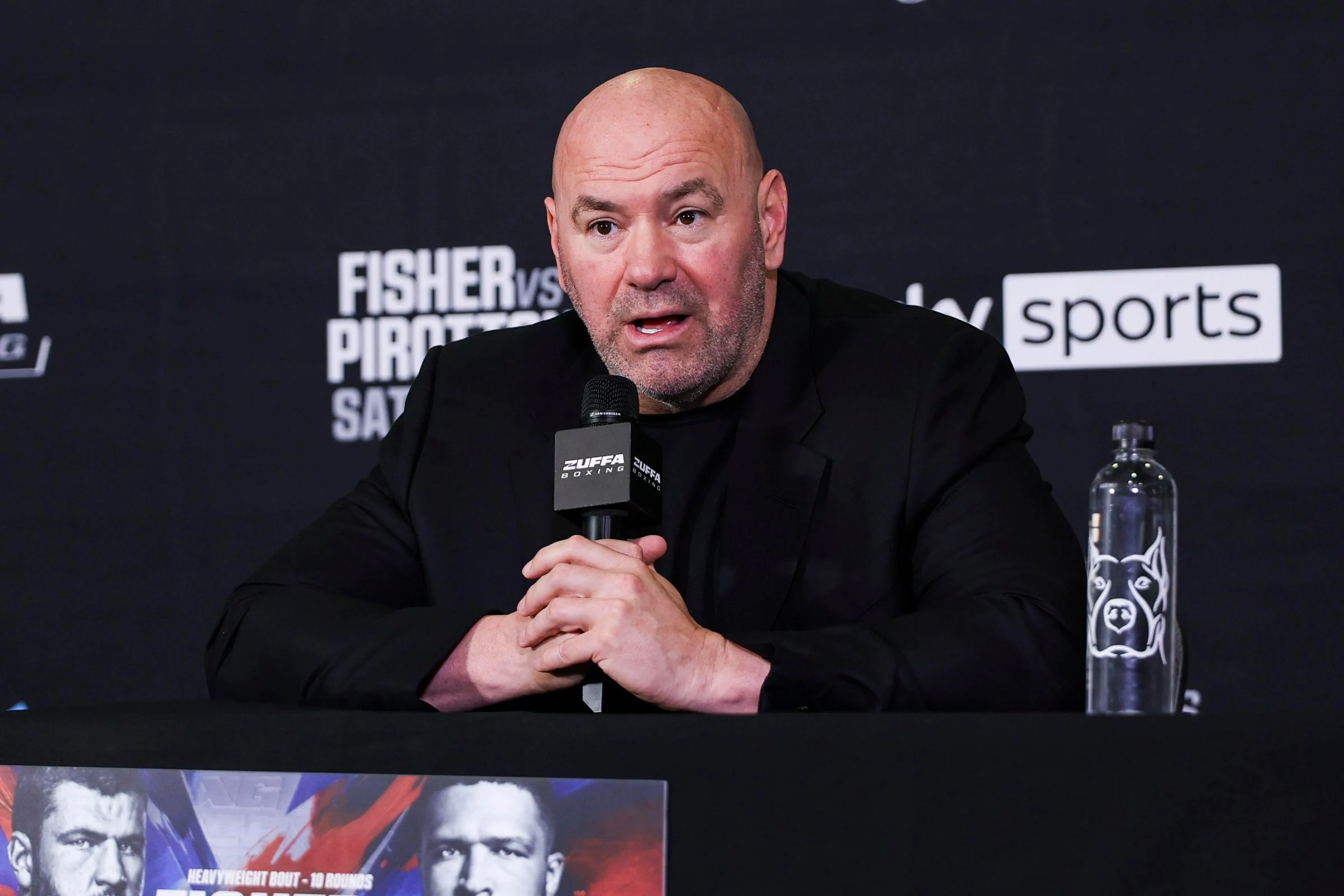
Several viewers in the event's Reddit thread criticized the commentary associated with Max Kellerman and Andre Ward, while another preferred the Sky commentary. Those are individual reactions, not a universal assessment of either broadcast team. They nevertheless identify a practical issue: two people watching the same punches can have different experiences because of the voices explaining them.
Explain the exchanges before selling the company
A boxing broadcast has an advantage that promotion alone cannot supply: it can teach a viewer to notice an adjustment as it happens. Why is one fighter backing up? Is a jab landing or merely touching the guard? Has the opponent changed his angle before throwing to the body? A clear answer to one of those questions often adds more value than another general statement about the importance of the organisation staging the show.
That does not require the commentators to sound excited at every moment. A quieter round can still contain useful information about distance, balance and the attempts to create an opening. Explaining that work gives viewers a reason to stay engaged without overstating the level of the matchup. It also lets an audience appreciate a boxer whose best asset is positioning rather than a dramatic finishing punch.
Commentary should make its own judgments recognizable as judgments. An unofficial score is an aid to discussion, not the actual judges' scorecard. A prediction about a fighter's future is a projection, not a ranking announcement. Leaving room for the opponent's effective work makes the description more credible when the favoured fighter has a difficult round. Those standards apply to any broadcaster; they are a constructive response to dissatisfaction, rather than a claim about anyone's private intentions.
Let fighters keep a recognizable identity
The thread also included a complaint that the uniforms and branding felt impersonal. Consistent graphics and clothing can make an event easy to identify, but the promotion's identity should leave room for the people competing. A viewer returning for a particular boxer needs names, backgrounds and distinctive sporting questions to remember after the company logo leaves the screen.
That identity already has visible ingredients. De la Cerda's team photograph shows his name and Mexican flags on their clothing. The opportunity is to turn recognition into a reason to follow: explain how a fighter works, what this opponent required and which skill he is developing. Post-fight questions can start with the contest and the corner's adjustments. A company can remain prominent while giving its athletes enough space to become the next show's strongest attraction.
Empty seats are an observation, not a financial verdict
The BBC's on-site report described the 7,500-capacity Copper Box as short of full, with the upper tier closed and empty seats elsewhere. It also described Fisher's supporters making noise. Both observations belong in the account: the room was not full, and the fans who attended still contributed to its atmosphere.
That is enough to raise a question about how strongly this event attracted a local audience. It is not enough to calculate an attendance percentage. The venue's maximum capacity does not tell us how many seats were offered for this configuration, how many tickets were sold or how many holders actually entered. A closed tier changes the available inventory; guessing a numerator from a camera angle and dividing it by the venue's headline capacity would create a misleading figure.
Nor can an empty seat establish the promoter's financial position. Ticket prices, complimentary admissions, broadcast income and production expenses are different pieces of a business account. Without verified figures, a claim that this particular card made a specified loss would be speculation. The same applies to assertions about a fighter being overpaid: a viewer's disappointment is not evidence of his contractual purse.
Fans can still criticize the attraction. The practical questions are whether the opponent was introduced clearly, whether the supporting fights were communicated as selling points and whether the event gave someone outside Fisher's established following a reason to attend. Those questions ask the promoter to improve its offer without requiring invented balance-sheet numbers. They also leave room for several influences on demand rather than selecting one cause with certainty.
A useful comparison with a future card would need consistent measures. Comparing actual admissions with actual admissions is more informative than comparing one night's closed section with another night's loud crowd. Comparing equivalent ticket categories is more useful than comparing advertised prices that buy different seats. Until such information is available, the responsible conclusion remains narrower: the reported empty areas were a visible weakness in the event's presentation, and stronger local demand would improve the experience. They were not proof that the promotion had reached a particular financial outcome.
What would give fans a better reason to return?
The next persuasive response to criticism would be a show whose sporting story is clear before the first bell. A headline fight should offer an understandable test, and the promotion should explain the opponent's qualities rather than asking viewers to accept a familiar name as sufficient. Supporting fighters need a visible place in that story, especially when their contests provide much of the evening's competitive value.
Improvement can be judged through specific questions. Did the main event reveal progress against a credible challenge? Did commentary explain why the momentum changed? Could a casual viewer identify a supporting fighter worth following? Was it easy to find the contest's result and, where available, its replay? Those checks describe what fans receive. They are more useful than a general promise that the next card will be bigger.
Fisher's win and the undercard supply material for that approach. Fans do not have to choose between praising every element of the package and dismissing every boxer on it. They can recognize a worthwhile contest, criticize a weak selling point and ask for better analysis. Consistent improvements across several cards would provide stronger evidence than one promotional announcement or one angry discussion thread.
Compare the US and UK viewing offers accurately
The relevant viewing markets also need separate treatment. Paramount's official rights announcement places Zuffa Boxing on Paramount+ in the United States, Canada and Latin America. Sky Sports advertised the September 26 Fisher–Pirotton event for UK viewers. A US streaming arrangement therefore does not describe the UK offer, and a preference for one country's commentary should identify the feed being discussed.
As checked on October 1, Paramount+'s official episode guide listed individual Zuffa Boxing 11 replays, including Fisher–Pirotton and the supporting bouts. That gives an eligible subscriber a practical way to revisit a particular contest instead of committing to another full evening. Availability still depends on the viewer's region and access; a listing is not a promise that every account worldwide can play it indefinitely.
Sky's event guide distinguished its main live coverage from earlier preliminary coverage on digital platforms. That distinction matters: access to a preliminary stream does not establish access to the entire main card or to its later replay. Check the relevant provider's current plan and event listing before paying, rather than applying an old trial offer or a price from another country.
Use the Paramount Plus boxing schedule for the US viewing context and the Sky Sports boxing schedule for the UK. Clear access information, credible matches and commentary that illuminates the exchanges would give fans concrete reasons to watch again.
Keep reading
Related boxing articles
Results & Analysis
Shakur Stevenson and Zuffa Boxing: Release, Timeline and What Comes Next
By Boxing Schedule Editorial TeamResults & Analysis
Bivol vs Beterbiev Results and Scorecards: Why the Two Decisions Went Different Ways
By Boxing Schedule Editorial TeamResults & Analysis
Join the conversation
Comments
Comments are reviewed before publication. Keep the discussion useful and focused on boxing.
Sign in with Google to comment
Your public comment shows your account name. Your email address is not displayed.
Commenting as
Loading comments…