Shakur Stevenson and Zuffa Boxing: Release, Timeline and What Comes Next
Stevenson says Zuffa granted his release without a fight. A dated guide to the July signing, October statement, weight questions and what fans should check next.
What Stevenson said about his Zuffa Boxing release
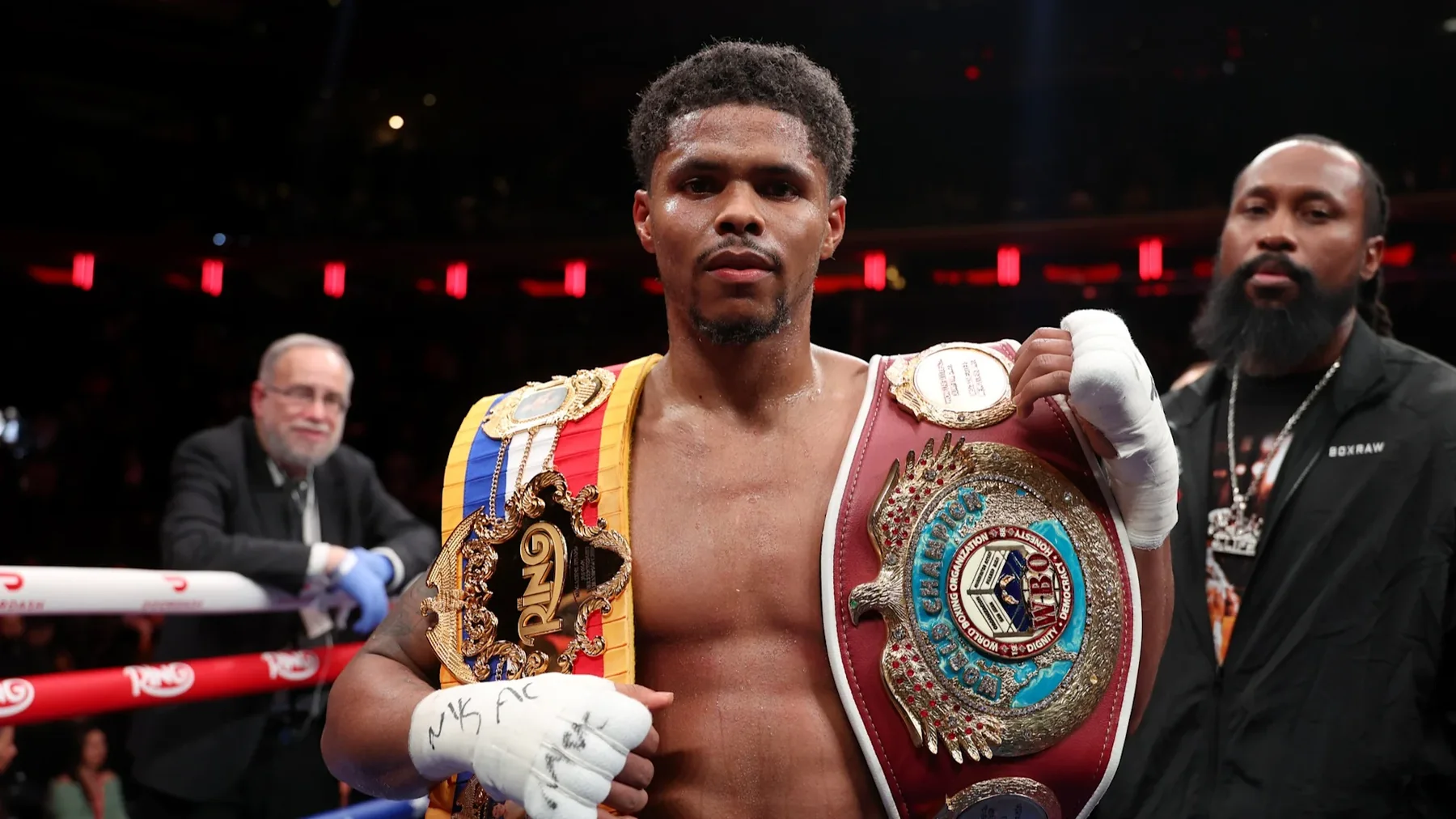
Shakur Stevenson says his time with Zuffa Boxing has ended before he fought for the promotion. In an October 19, 2026 announcement on his YouTube channel, the four-division champion said he requested a release and received it over the preceding weekend. As of October 20, the essential distinction for fans is between that public account of his promotional status and a newly announced fight: the release statement did not supply a next opponent, venue or date.
MMA Fighting reported Stevenson's explanation that he had spent roughly eight weeks preparing without the expected contests materializing. That explains his stated frustration with inactivity. It does not establish the full history of every proposed match or show which participant accepted the complete terms of a particular offer. Fans can take the announcement seriously while leaving those separate questions open.
The immediate sporting consequence is straightforward: a major promotional signing produced no appearance under that banner. Stevenson entered the relationship with a championship reputation already established in the ring, so his departure matters beyond the usual movement of a prospect between promoters. The next useful measure of progress will be an opponent and a workable contest, rather than another presentation of his ambitions.
What is established and what remains private
TheScore's report explicitly noted that Zuffa had not confirmed the departure at the time it published. That is why the careful description is that Stevenson announced his release. This article has not reviewed a signed termination agreement, the original contract or any settlement conditions. It would be premature to describe the separation as a firing, claim a particular financial penalty, or assign a legal explanation to the outcome.
There is also a difference between wanting more control and having a complete promotional operation ready. Boxing News reported that Stevenson intends to start his own company and work with other promoters. Those are declared plans. They do not, by themselves, identify a broadcast partner, announce a first event or show that another exclusive deal has been signed.
For a fight fan, the most productive position is to separate the athlete's account, the business details that remain private and the sporting event still to be made. None of that prevents discussing the impact of the split. It keeps the discussion focused on the question that actually changes a calendar: when will Stevenson next box, against whom, and under what agreed conditions?
The July signing and the promise of bigger fights
The public starting point was July 9, 2026. The announcement introduced Stevenson as a Zuffa Boxing signing, and the accompanying release said information about his debut would follow. That wording matters when looking back from October: the partnership was announced, while the first contest remained a separate announcement still to come.
Why the signing mattered
Stevenson was already an established championship fighter. A developing promotional operation adding someone of that standing is a different proposition from recruiting a promising boxer who still needs to reach world level. His presence offered a sporting reason to pay attention, alongside the business profile of Dana White and the companies behind the venture.
The July announcement described Zuffa as a TKO and Sela joint venture. In his Sports Illustrated interview that day, Stevenson spoke about the financial opportunity and the possibility of major matchups. Those are understandable motivations for a boxer whose remaining career choices involve both earning power and the quality of opposition.
From an editorial perspective, the attraction was the chance to connect an elite technical fighter with opponents who could test his position. Big announcements become more meaningful when they solve an actual sporting problem: matching a champion with another excellent boxer, at a sensible weight, while both are ready. A recognizable promotional brand can help create that opportunity, but its presence alone does not answer those questions.
A promotional deal is not a confirmed fight
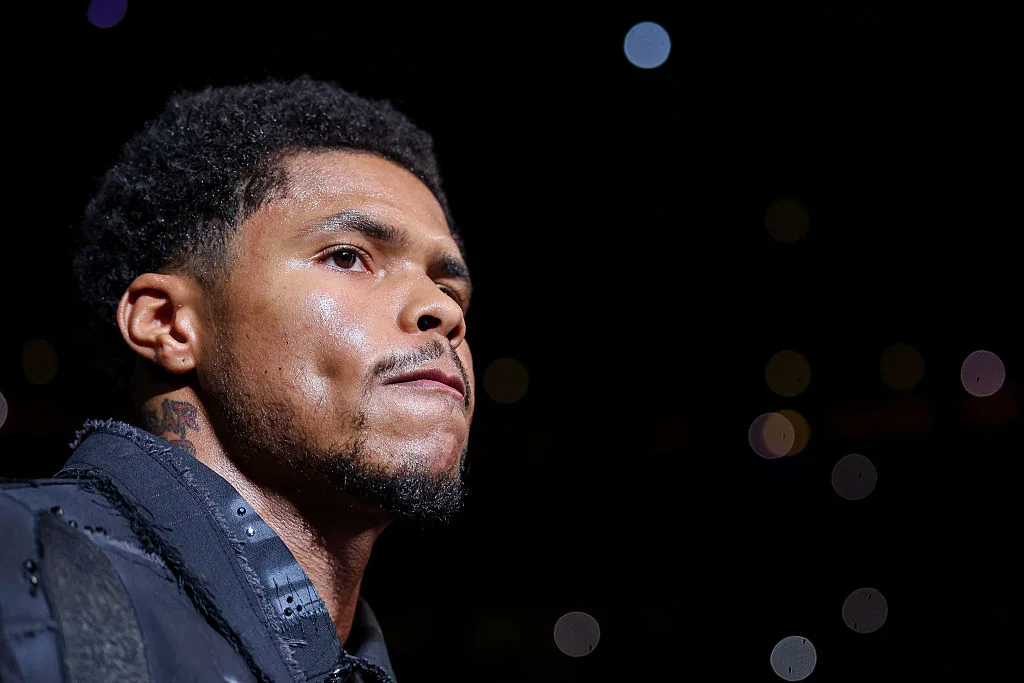
A signing establishes a business relationship. A bout requires an opponent, agreed terms and an event that can actually be staged. Keeping those stages separate helps fans read boxing news without treating every interview as a fixture. An athlete can want a matchup and a promoter can want to sell it while the complete arrangement is still unresolved.
This is particularly important for a fighter moving between possible weight classes. Agreement on an opponent's name is only one part of a negotiation. The practical sporting package also includes the weight, scheduled rounds and whether a championship is involved. Fans do not need access to private bargaining to understand why those details change the significance of an announcement.
The July enthusiasm and October separation therefore tell different parts of the story. The first shows what the partnership hoped to achieve; the second is Stevenson's account of leaving it. Neither should be rewritten into a certainty that the biggest proposed fight was ever fully booked. The fair assessment is that the announced relationship did not deliver a Zuffa appearance, with the wider lessons depending on what Stevenson and the promotion arrange next.
The boxing credentials behind the business story
The reason this short partnership attracted attention is the quality of the boxer involved. Stevenson reached the July announcement with a professional record of 25 wins, no defeats and 11 knockout victories. Those figures describe his record at that point; they are not a substitute for examining whom he beat, the divisions involved or the problems a future opponent might present.
The clearest recent achievement was his January 31, 2026 victory over Teofimo Lopez. The WBO's published record lists a twelve-round unanimous decision and Stevenson as its junior welterweight champion. The official event page identifies the WBO and Ring super lightweight titles. Junior welterweight and super lightweight are names for the same 140-pound division, so those descriptions do not represent different weight classes.
His championship progression spans featherweight, super featherweight, lightweight and junior welterweight. The Ring's career account includes the stoppage of Jamel Herring in 2021, the points win over Oscar Valdez in 2022 and the decision over William Zepeda in July 2025. These are useful landmarks because they show repeated success against established opposition, rather than an unbeaten total built around one championship night.
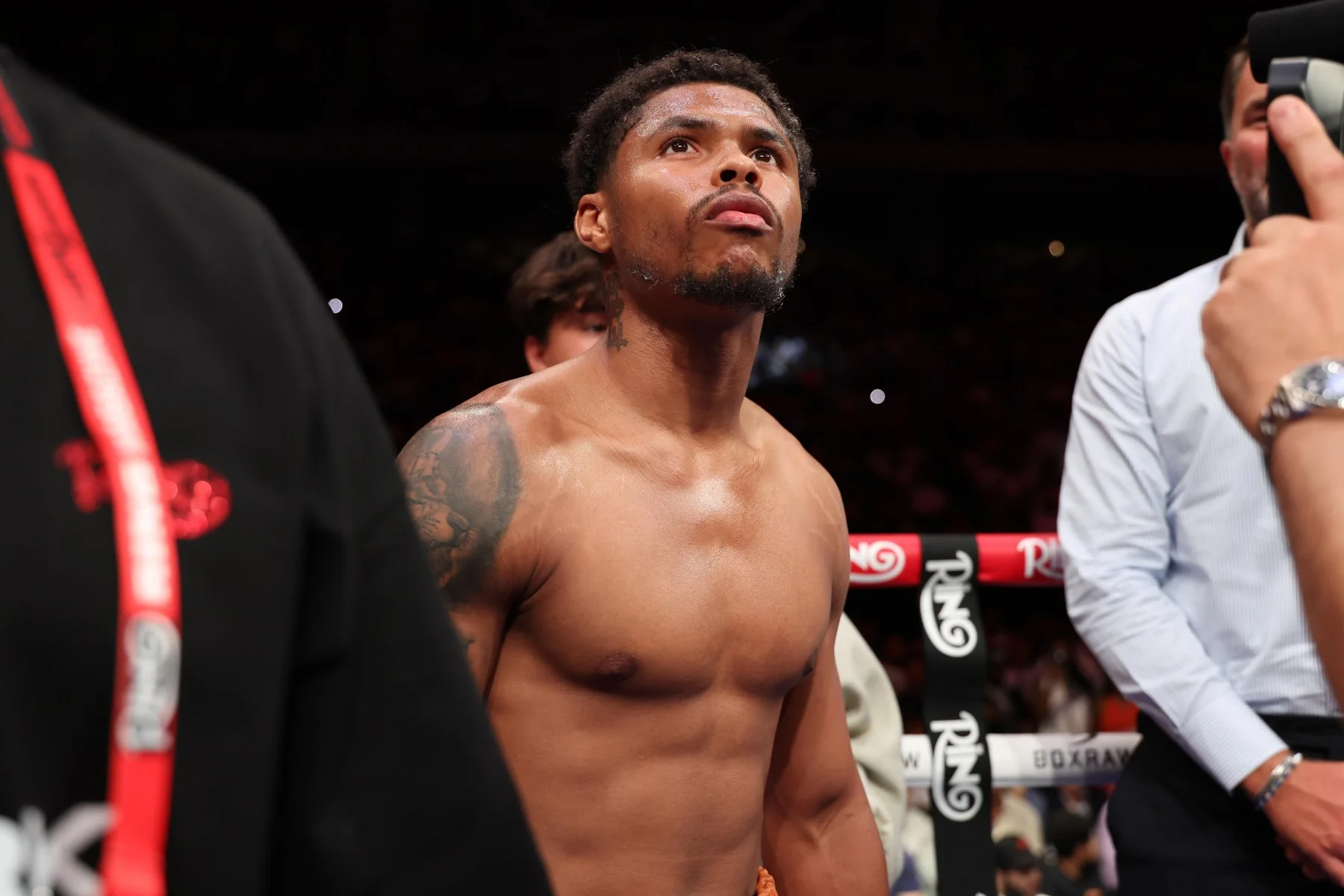
For understanding the matchmaking, it helps to think about boxing technique in concrete terms. A southpaw leads with the right side and carries the rear left hand behind it. Against an orthodox opponent, the lead hands and feet compete for position differently from a same-stance matchup. A jab can measure distance, interrupt an entry or set a left hand; it need not produce an immediate knockout to change a round.
Distance control also explains why a technical boxer can be difficult to assess through highlights alone. The important moment may be an opponent falling short, losing balance on an entry or having to reset after missing. An exit that leaves the defender balanced can create the next scoring chance. These are general tactical principles, not a claim that every exchange of Stevenson's career followed one pattern.
For his next opponent, the meaningful questions involve how that boxer closes distance, maintains pressure without reaching and recovers position after an unsuccessful attack. For Stevenson, the question is how consistently he can turn defensive control into clear scoring work against the next style in front of him. That is a richer sporting conversation than equating a modest knockout proportion with a lack of effectiveness, or treating an undefeated record as proof that no challenger can beat him.
What a next fight would actually require
The next opponent matters most when considered together with the conditions of the contest. A matchup can look attractive on paper while the two camps are discussing different sporting propositions. Leaving a promotional relationship does not resolve that difference automatically. The boxer still has to agree on a fight that fits his competitive plans and the opponent's situation.
Weight and championship terms
In his October statement, as reported by Boxing News, Stevenson placed his immediate ambitions at 135 or 140 pounds and spoke of reaching 147 later on his own timetable. That is a statement of preference, rather than an announced move or an obligation to enter a particular division. It also explains why the weight question belongs at the center of discussion of any proposed opponent from welterweight.
Reporting on the Haney discussions described conflicting public accounts about weight and a rehydration condition. A catchweight concerns the agreed limit at the weigh-in. A rehydration restriction concerns weight regained afterward. They are different provisions, and accepting one does not establish agreement to the other. The public disagreement does not reveal a complete, mutually accepted contract.
For spectators, that distinction has sporting value. A boxer can be excellent in one division without every physical advantage carrying unchanged to the next. Distance, strength in close exchanges and the ability to hold ground may become different questions against a naturally larger opponent. Those are reasons to evaluate the actual conditions, rather than assume that a famous name alone defines the difficulty of the contest.
Championship language needs similar care. A meeting between two titleholders is not automatically a unification: unification concerns championships in the same division. A contest above a champion's usual limit also does not automatically place the lower division's belt at stake. Fans should wait for the specific title designation instead of carrying a boxer's existing honors into every proposed pairing.
Opponent interest versus an announced contest
Haney is an obvious name in the public discussion because he featured in the July conversation and later negotiations. That makes him relevant to the timeline, but it does not make him Stevenson's confirmed next opponent. Fight Sports reported the breakdown in talks; the departure announcement did not replace those talks with a new signed contest.
A useful way to judge the next announcement is to ask whether it advances beyond shared interest. Are both fighters identified? Is there a date and venue? Are the weight and title stakes explained? Is an official event organizer offering the contest? A proposal can be real without every answer being settled, but the missing information should remain visible.
Self-promotion may allow Stevenson more involvement in these decisions, if he follows through with that plan. It also leaves the practical work of assembling a competitive and commercially workable event. The sensible test will be what is delivered: a well-matched bout with clear conditions and enough preparation time for both boxers to perform.
How fans can follow the next announcement
As of October 20, 2026, the material reviewed for this article establishes a public release announcement and a stated intention to take more control of Stevenson's career. It does not establish his next fight date. That leaves a clear distinction between useful background and information a fan can act on. The background explains why he is available; the next official event announcement will explain where and when to watch him.
Start with the boxer's own announcement channels, then look for matching information from the event organizer and venue. If a proposed contest becomes official, the central details should agree. A shared poster is helpful, but the complete event page matters more when money or travel is involved. It should identify the date, location and the seller or broadcaster authorized for that event.
Once a contest is announced, use the boxing calendar to keep the date alongside the other fights you follow. A subscribed calendar can pick up changes when the calendar application refreshes; a downloaded file is a copy of the information available when it was saved. Neither removes the need to recheck the official event shortly before fight night.
The details to check before buying or subscribing
Do not assume an old promotional affiliation determines the next broadcast. Paramount's rights announcement concerns Zuffa events in the specified markets. It does not announce where Stevenson will appear after the release he describes. His next contest needs its own confirmed viewing information, especially if different promoters cooperate on the event.
The boxing TV and streaming guide is useful for comparing the announced access in your country. Check whether the headline bout is included in a subscription, sold separately as pay-per-view or available through another arrangement. A free preliminary broadcast should not be treated as an offer to watch the entire main card, and a US announcement should not be assumed to apply unchanged in the UK.
Timing deserves a final check. Doors, the first bout, broadcast coverage and the main-event ringwalk are separate moments. Earlier contests can end quickly or run their full distance, so a ringwalk estimate has less certainty than a published broadcast start. For a viewer who only wants Stevenson, switching on at an unverified social-media estimate risks missing the beginning.
The next sporting assessment can then become specific. Examine the opponent's recent form, the agreed division and the title stakes before deciding what the contest means. A return against a dangerous specialist asks a different question from a move into a heavier division. The release has changed the business story; the next match will provide the evidence needed to judge whether that change advances his boxing career.
Keep reading
Related boxing articles
Results & Analysis
Bivol vs Beterbiev Results and Scorecards: Why the Two Decisions Went Different Ways
By Boxing Schedule Editorial TeamResults & Analysis
Why Moses Itauma Lost to Filip Hrgovic and What a Rematch Would Require
By Boxing Schedule Editorial TeamResults & Analysis
Join the conversation
Comments
Comments are reviewed before publication. Keep the discussion useful and focused on boxing.
Sign in with Google to comment
Your public comment shows your account name. Your email address is not displayed.
Commenting as
Loading comments…