Ryan Garcia, Golden Boy and Zuffa Boxing: Contract Dispute Explained
What Golden Boy alleges about Ryan Garcia and Zuffa Boxing, what legal action has actually occurred, and why promotional rights are contested.
The Contract Situation in 60 Seconds
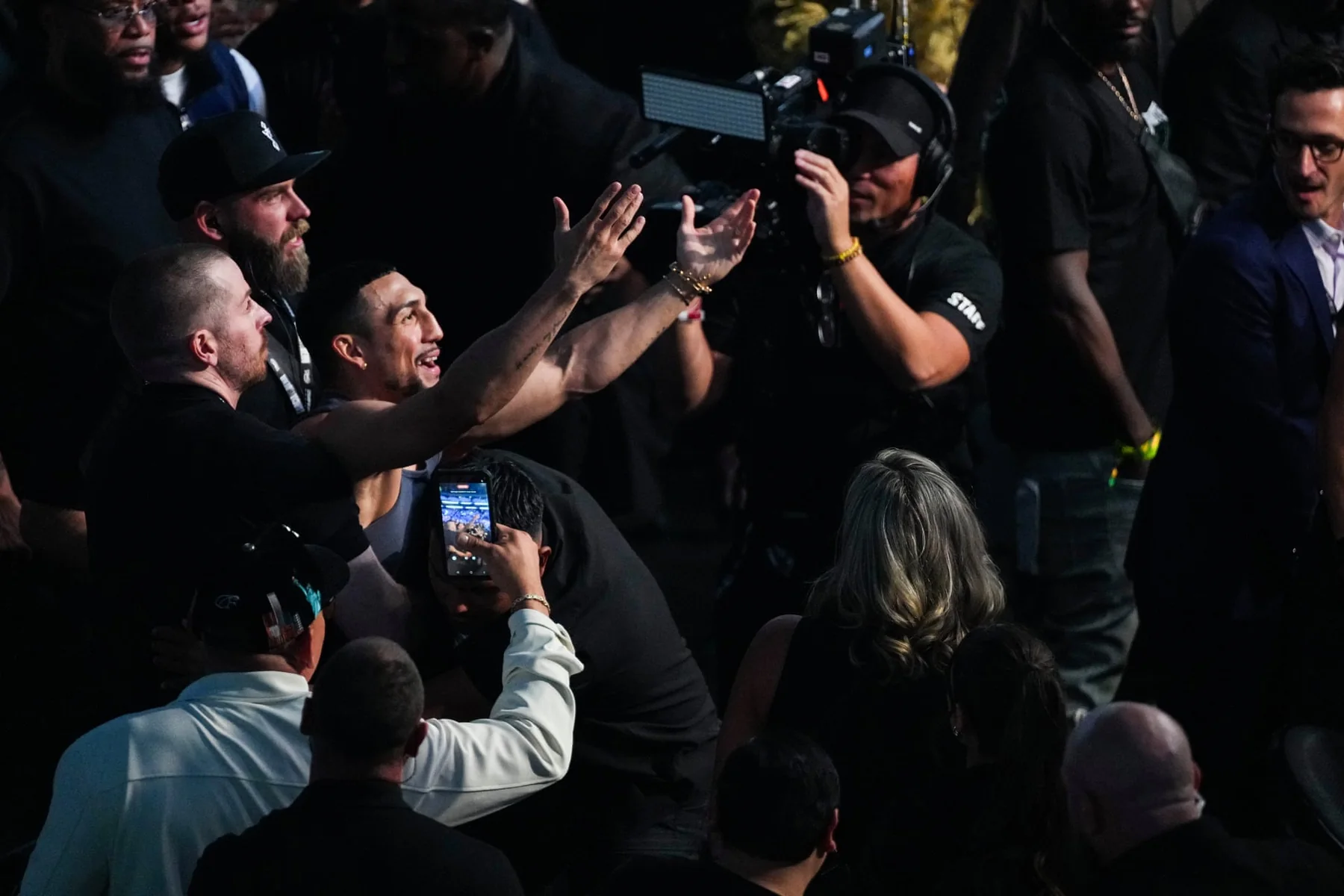
As of September 16, 2026, Ryan Garcia has not publicly completed a long-term move from Golden Boy Promotions to Zuffa Boxing. Golden Boy and Zuffa reached a deal to co-promote Garcia's September 12 title defense against Conor Benn, but the current public account is that one Golden Boy fight remains. Everything beyond that—his final Golden Boy opponent, release date and possible Zuffa contract—remains unannounced.
What the Garcia-Benn Deal Resolved
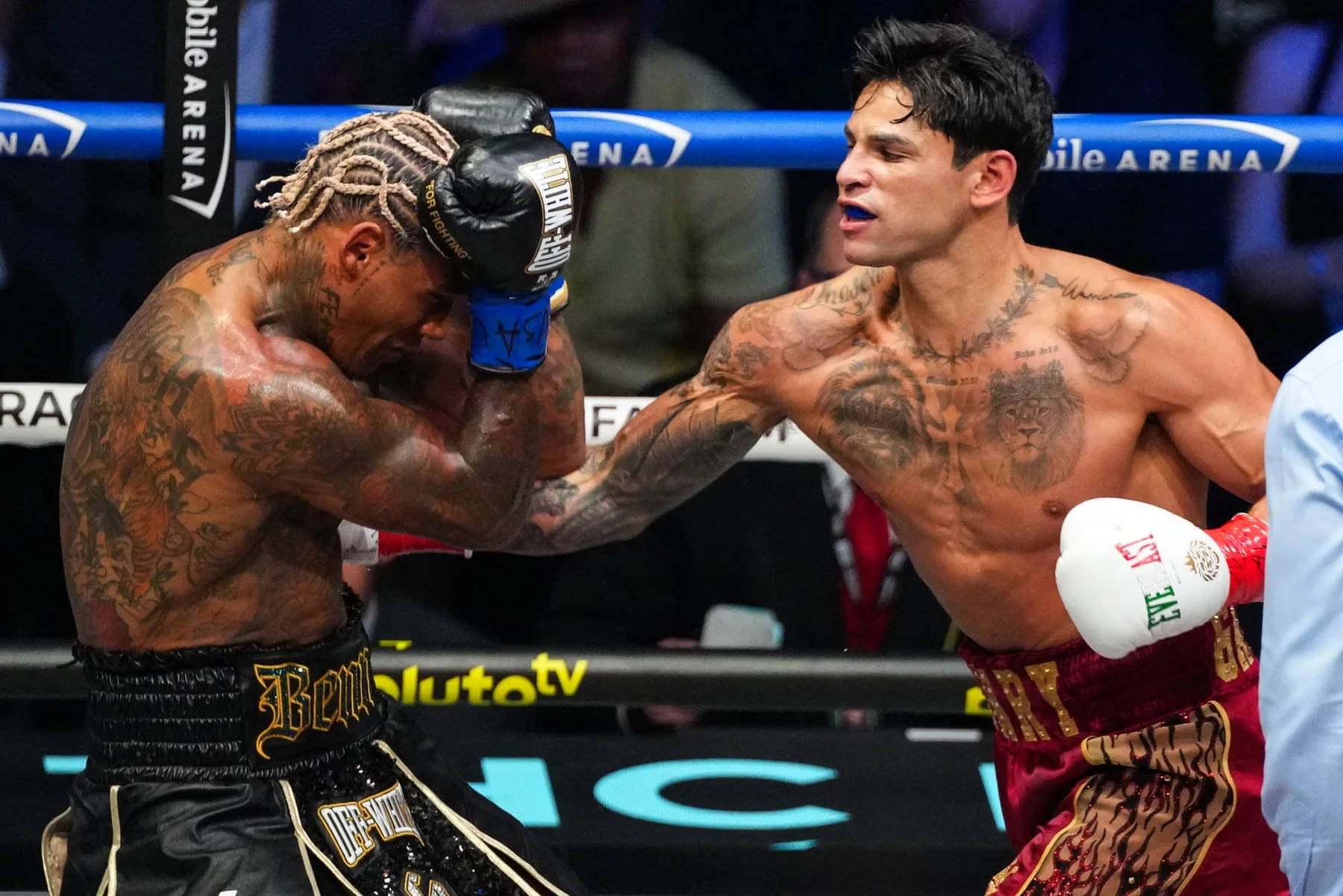
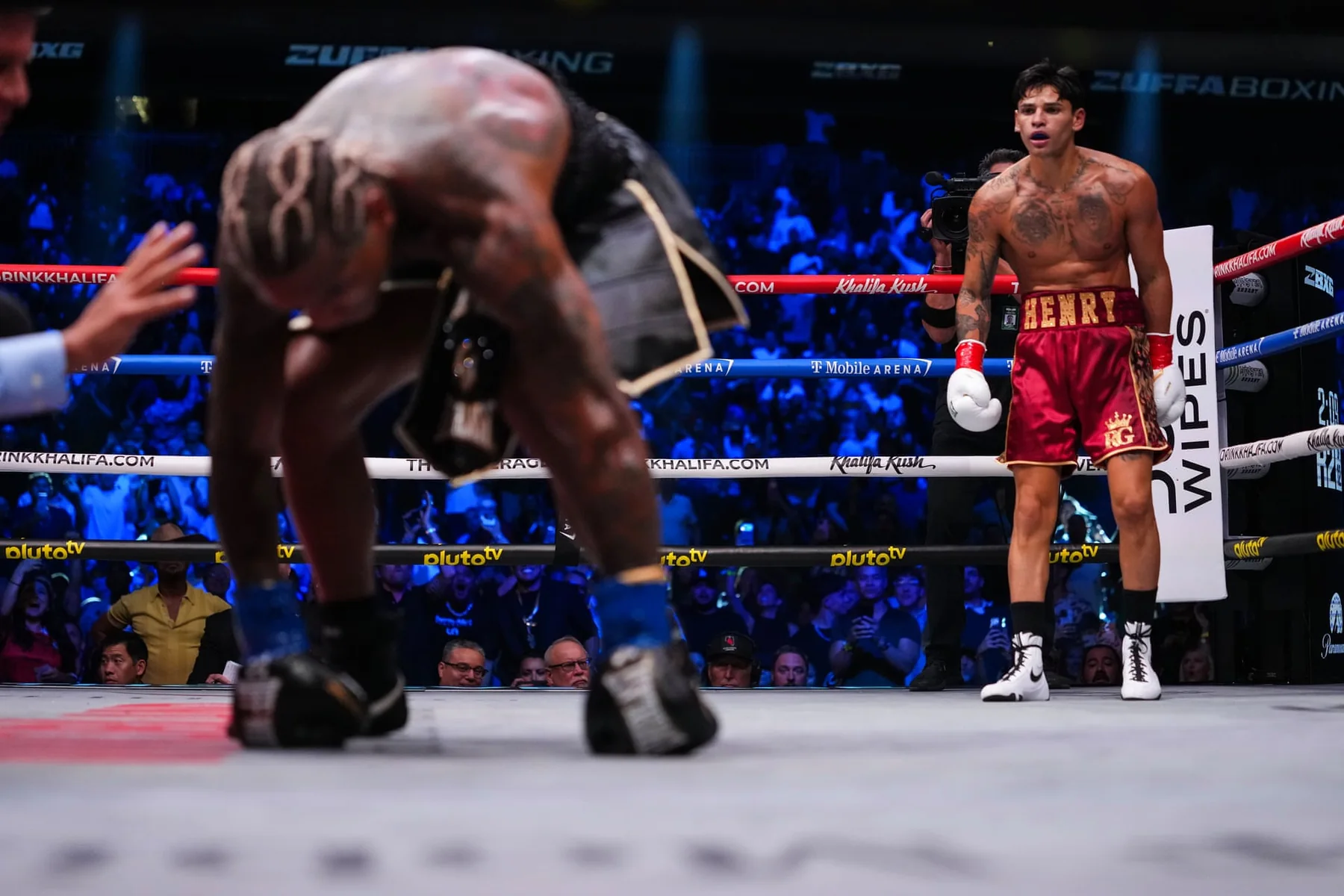
The compromise answered the immediate question: could Golden Boy's WBC welterweight champion fight Zuffa-contracted Benn on a Zuffa-led show? Yes, if the parties worked together. The event went ahead at T-Mobile Arena in Las Vegas as a Ring Magazine presentation co-promoted by Golden Boy and Zuffa. Garcia stopped Benn at 1:25 of round two and retained his title; fans can check the site's verified boxing results for completed-card coverage.
That outcome did not prove Golden Boy's June objections were empty. In practical terms, Golden Boy received the co-promotional involvement it had said was required, while Zuffa staged the event it wanted. A commercial settlement for one bout often looks less dramatic than the letters that precede it: logos, distribution windows, production duties and payment shares are aligned so the fighters can enter the ring.
What Is Still Unresolved After September 12
Dana White said after Garcia-Benn that Garcia had one more fight with Oscar De La Hoya. The Ring and the Los Angeles Times reported the same basic status. That is the best current public answer, but the underlying agreement is private. It does not tell fans whether an option is triggered by a bout date, what opponents satisfy it, or what happens if the parties negotiate an early release.
Garcia praised Zuffa's organization and White praised Garcia's marketability. Neither statement is a signing announcement. No official source reviewed by the cutoff named a term, guarantee or number of future Zuffa fights. The accurate headline is therefore narrower than the rumor: Garcia worked successfully with Zuffa while still tied to Golden Boy, and the courtship can become a contract only after the remaining rights are addressed.
How Garcia and Golden Boy Reached This Point
The Zuffa dispute is the latest chapter in a relationship that produced both money and mistrust. Golden Boy did not arrive after Garcia became a champion; it helped build his professional platform. Garcia, in turn, brought unusual social-media reach and genuine knockout appeal to a promoter searching for its next crossover star. Their problem has never been a lack of value to one another. It has been disagreement over who controls that value.
A Relationship Dating Back to 2016
Garcia joined Golden Boy as a teenage prospect and made his promotional debut in December 2016 on Bernard Hopkins' farewell card at The Forum. In September 2019, after an earlier public disagreement, he announced a lucrative multi-year extension. Golden Boy supplied television dates, matchmaking and the promotional machinery around his rise; Garcia's speed, left hook and enormous online following made him more than a conventional prospect.
The partnership produced the 2021 Luke Campbell comeback knockout and helped deliver the 2023 Gervonta Davis event, Garcia's largest commercial fight at that point. But success did not settle the control question. Garcia often wanted freedom to choose opponents and partners around individual events. Golden Boy viewed its written promotional rights as the structure that made those events possible. That tension is common in boxing, where stars become powerful enough to negotiate across promotional lines before their original deals expire.
The 2023 Lawsuit Was the First Legal Warning
On June 16, 2023, Golden Boy filed a federal contract action in Nevada against Garcia and adviser Guadalupe Valencia. The promoter sought declarations and enforcement connected to its agreement; Garcia's lawyers called the case baseless and argued Golden Boy should promote rather than publicly attack its boxer. Those were adversarial claims. The docket proves the case existed, not that a judge endorsed either side's account.
The parties entered mediation, and an April 2024 court order requested a status report about settlement and whether a stay should be lifted. Garcia continued fighting with Golden Boy involvement, so the working relationship survived. The private mechanics did not become a fan-readable contract. That history matters in 2026 because Golden Boy had already demonstrated a willingness to use legal process when it believed outside negotiations threatened its rights. The letter to Zuffa was therefore escalation within an established pattern, not merely De La Hoya reacting to an unfriendly quote.
Why Golden Boy Sent Zuffa a Cease-and-Desist
The June confrontation began because Garcia announced the Benn matchup before Golden Boy believed it had approved the event's terms. Golden Boy's lawyers were not arguing about whether Benn was a worthy opponent. They were asserting a contractual seat at the table. A second reported objection from DAZN added a distribution problem to the promotional one.
Golden Boy Claimed Co-Promotional Approval Rights
Reporting on the letter said Golden Boy's earlier exclusive promotional term had changed after Garcia beat Mario Barrios, but that the company retained a multi-fight co-promotional option alongside King Ryan Enterprises. Golden Boy alleged that Zuffa was negotiating Garcia-Benn without its knowledge or consent and told Zuffa, TKO, Paramount and Sela to stop interfering.
A co-promotional option is not necessarily total ownership of every event. It can give the incumbent company approval, participation and an economic share while allowing another promoter to lead production. Because the operative language is private, readers should resist filling the gaps. Golden Boy's claim was specific enough to force negotiation, but public reporting does not reveal every trigger, remedy or revenue split.
DAZN Was a Separate Contractual Layer
Eddie Hearn said DAZN also sent Zuffa a cease-and-desist based on an exclusive broadcast relationship with Garcia. That statement is evidence of Hearn's account, not a published DAZN letter. Still, it identifies an important distinction. A promoter may control the right to stage or co-promote bouts, while a broadcaster separately controls where those bouts can be shown in defined territories.
That is why the eventual event could carry Paramount+ in the United States and DAZN in the United Kingdom and Ireland. Territorial windows and sublicensing can solve a conflict without either platform abandoning its wider agreement. Boxing regularly requires this kind of bridge when a valuable matchup crosses promotional and media boundaries.
A Legal Demand Was Not a Court Judgment
Calling the June letter an “order” or saying Golden Boy had already sued Zuffa over Garcia overstates the public record reviewed here. A private cease-and-desist letter places the recipient on notice, states the sender's legal theory and demands that conduct stop. An injunction, by contrast, is a court order. No June merits ruling established that Zuffa had unlawfully interfered.
The distinction does not make the letter meaningless. Ignoring it could invite litigation, delay an announcement or increase commercial risk. In this case it did what such letters often seek to do: turn a unilateral plan into a multi-party negotiation. The fight's eventual co-promotion is evidence of a practical resolution, not proof that a judge chose a winner.
How Garcia-Benn Happened Anyway
By mid-July the threatened collision had become a collaboration. Boxing did not discover a hidden loophole; the interested companies negotiated a structure in which each could preserve enough of its rights to proceed. The resulting event looked complicated on a poster because the business was complicated behind it.
A Co-Promotion Replaced the Standoff
The official announcement identified Garcia as Golden Boy's fighter and Benn as Zuffa's, with the September 12 card staged as a Ring Magazine event involving both promotional companies. That structure answered Golden Boy's central complaint: it was no longer outside negotiations for its boxer. Zuffa still obtained a major Las Vegas main event for Benn and controlled much of the fan-facing production.
Co-promotion is often boxing's least elegant but most useful tool. Rivals agree bout-specific responsibilities and economics without merging companies or conceding every future right. The Garcia-Benn agreement therefore should be read as a bridge for one valuable fight. There is no public evidence that it rewrote the entire Garcia-Golden Boy relationship.
One Event Carried Multiple Commercial Labels
Paramount announced the event as a Zuffa Boxing and Ring Magazine presentation. The WBC also named Riyadh Season, Golden Boy, Zuffa and Paramount among the presenting parties. Paramount+ carried the bout in the United States, while official materials placed it on DAZN in the United Kingdom and Ireland. Those labels describe different jobs: financing or presentation, promotion, production and territorial distribution.
This is why seeing Garcia in Zuffa graphics does not establish that Zuffa owns his next several bouts. Event marketing answers “who is selling this show?” A promotional contract answers “who controls or participates in this boxer's future fights?” The same logo can appear in both contexts, but the documents are not interchangeable.
De La Hoya's Absence Did Not Erase Golden Boy
De La Hoya's absence from T-Mobile Arena produced several incompatible accounts. White denied barring him. Reporting cited an alleged credential refusal. Golden Boy's communications director said Garcia's team changed plans for De La Hoya to join the ring walk. Garcia said he expected his promoter to attend. With no common account, declaring one version proven would be irresponsible.
The contractual point is simpler. Golden Boy remained a credited co-promoter whether its founder sat ringside or watched elsewhere. Corporate rights do not disappear because two executives dislike one another. The episode may show how damaged the personal relationship has become, but it does not demonstrate that Garcia was already a free agent.
What “One Fight Left” Actually Means
The simplest current count is one, but a count is not a contract. Before Garcia-Benn, Garcia and De La Hoya used language that encouraged conflicting “final fight” headlines. During fight week and after the bout, White said one Golden Boy fight would remain. That later statement aligns with De La Hoya's pre-fight version and current reporting, yet it cannot reveal clauses the public has not seen.
The Public Timeline Changed Depending on Who Spoke
Garcia said in August that he had one fight left and suggested he had finally forced Golden Boy to acknowledge an ending. Some outlets interpreted Benn as that final obligation. De La Hoya said the opposite: Benn would be followed by one more Golden Boy fight. White then stated before the event that Garcia would still owe one afterward, and repeated the status once Benn was stopped.
The responsible update is therefore not to average the claims. It is to use the newest point on which key parties converged: one fight remained after September 12. Even then, “one” does not tell us the deadline, qualifying opponent, extension rights or whether Golden Boy and Garcia could negotiate a release. Fans know the bout count; they do not know the complete exit mechanism.
Promotional, Broadcast and Fighter-Company Rights Differ
Garcia can conduct business through King Ryan Enterprises and still owe Golden Boy co-promotional participation. Golden Boy can possess promotional rights while a broadcaster holds a separate distribution commitment. Zuffa can co-promote and produce one Garcia event without owning future dates. These layers explain why confident social-media claims about “free agency” repeatedly got ahead of the paperwork.
The distinction also protects the boxer from a false binary. Garcia's choice is not necessarily to obey Golden Boy in every detail or refuse to fight. Cross-promotional agreements can allocate one event while preserving a later dispute. Garcia-Benn demonstrated that compromise; it did not simplify the underlying industry.
Garcia Has Praised Zuffa but Has Not Announced a Deal
After beating Benn, Garcia praised Zuffa's coordination, regulation, media operation and promotion. White called him marketable and willing to face anyone. In July, however, Garcia discussed conditions he would demand “if” he ever signed. As of the cutoff, no official announcement supplied a term, purse guarantee or multi-fight commitment.
Courtship is the accurate word. Zuffa showed Garcia what its platform can do; Garcia showed Zuffa he can headline, sell an event and produce a viral finish. Both now have leverage, but Golden Boy's remaining fight sits between mutual admiration and a completed transfer.
What Happens Next for Garcia, Golden Boy and Zuffa
Garcia leaves the Benn event with maximum leverage: a WBC belt, a spectacular finish and two promoters who understand his audience. Leverage does not eliminate dependencies. One remaining Golden Boy bout must be placed or released, rival champions have their own deals, and Zuffa must offer terms Garcia prefers to his alternatives.
The Next Opponent Depends on More Than a Callout
Garcia called for WBA champion Teofimo Lopez from the ring and also revived the Devin Haney rivalry. Both are commercially obvious. Neither was officially signed by September 16. A unification requires weight, date and purse terms, sanctioning-body approval, broadcast clearance and agreement among whichever promoters control the fighters at that moment.
The Benn negotiations show why a desirable fight can take months after the boxers say yes. Golden Boy may prefer to use its final Garcia obligation on the most valuable opponent available. Zuffa may want the same matchup under its own platform. Garcia may prefer a shorter stay-busy fight before a 2027 event. Until a formal announcement identifies participants, venue and distributor, each is a scenario rather than a schedule entry.
Why Zuffa Is Attractive—and Why Terms Still Matter
Zuffa can offer integrated production, a large Paramount relationship and a promotional system Garcia openly enjoyed. It also wants recognizable champions who can turn its new boxing operation into an appointment rather than a collection of cards. Garcia supplies an audience younger and broader than many technically accomplished champions.
But a boxer choosing a promoter should compare more than one successful fight night. Guarantees, activity, opponent access, sponsorship freedom, personal branding, media obligations and exit language all matter. Garcia has already signaled that he would negotiate how Zuffa branding applies to him. The same boxer who spent years contesting control with Golden Boy is unlikely to treat control provisions as a footnote in his next agreement.
What Fans Should Watch Instead of Rumors
Three developments would change the story: an official opponent announcement for the remaining Golden Boy bout, a documented early release or completed obligation, and a formal Zuffa signing containing more than mutual compliments. A commission agenda, venue confirmation and named broadcaster are stronger evidence than a ringside confrontation or a promoter saying a fight “makes sense.”
Use the boxing calendar for confirmed dates and the Boxing Schedule analysis archive for contract updates. The current conclusion is deliberately limited: Golden Boy retains one publicized fight, Zuffa has established a working relationship, and Garcia remains the valuable party both sides must persuade.
Keep reading
Related boxing articles
Results & Analysis
Shakur Stevenson and Zuffa Boxing: Release, Timeline and What Comes Next
By Boxing Schedule Editorial TeamResults & Analysis
Bivol vs Beterbiev Results and Scorecards: Why the Two Decisions Went Different Ways
By Boxing Schedule Editorial TeamResults & Analysis
Join the conversation
Comments
Comments are reviewed before publication. Keep the discussion useful and focused on boxing.
Sign in with Google to comment
Your public comment shows your account name. Your email address is not displayed.
Commenting as
Loading comments…