Jai Opetaia vs Noel Mikaelian: Title Dispute and Cancellation Risk Explained
The Opetaia vs Mikaelian fight went ahead: review the result, why the WBC title was not at stake, and how the cruiserweight belt picture changed.
The Cancellation Question Has Now Been Answered
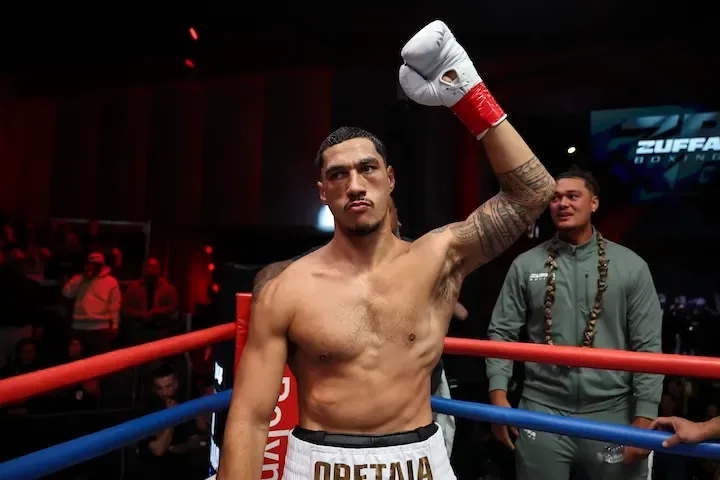
Jai Opetaia vs Noel Mikaelian was not canceled. The cruiserweights fought at T-Mobile Arena in Las Vegas on September 12, 2026, despite a late cease-and-desist demand and uncertainty over Mikaelian's WBC championship. Opetaia stopped him in the ninth round. The legal threat failed to stop the immediate event, but the sanctioning dispute ensured that the most familiar green belt did not pass to the winner.
That distinction is the key to the entire story. There were two separate pre-fight risks: Don King Productions challenged whether Mikaelian could box for Zuffa at all, while the WBC challenged whether he could defend its title against Opetaia instead of its ordered opponent. The first did not prevent the contest. The second changed what the contest officially meant.
The Fight Went Ahead on September 12
Opetaia and Mikaelian boxed as the co-feature beneath Ryan Garcia vs Conor Benn. The week-of-fight cancellation talk was real because DKP sent a formal letter demanding Zuffa stop using Mikaelian's services. But no opened source reports a court issuing an injunction. Zuffa publicly insisted the bout would happen, both fighters appeared, and the bell settled the narrow practical question.
Readers arriving from the main event can see our separate Garcia–Benn stoppage analysis. The co-main story is different: its controversy existed before the opening bell and concerned promotional authority and belt recognition rather than a referee's call.
The Result Did Not Transfer the WBC Belt
Mikaelian entered fight week identified as WBC cruiserweight champion, yet the WBC did not sanction this as a championship defense. Opetaia therefore could beat the belt holder without becoming WBC champion. He defended the Ring championship and Zuffa Boxing's cruiserweight title. Those honors have their own criteria; neither can compel the WBC to recognize a title change.
This can sound absurd, but it follows boxing's decentralized structure. A boxer owns a sporting victory. A sanctioning organization controls only its designation and belt under its rules. Opetaia proved superiority over Mikaelian that night, while the WBC title remained subject to a separate administrative decision.
Why Don King Tried to Stop the Fight
Four days before the event, lawyers for Don King Productions sent TKO Group Holdings and Zuffa Boxing a cease-and-desist letter. The timing made cancellation plausible enough to report, but the document's legal status was often overstated. It was a private party's demand built on a disputed contract, not an order signed by a judge or the Nevada commission.
The Exclusive-Promoter Claim
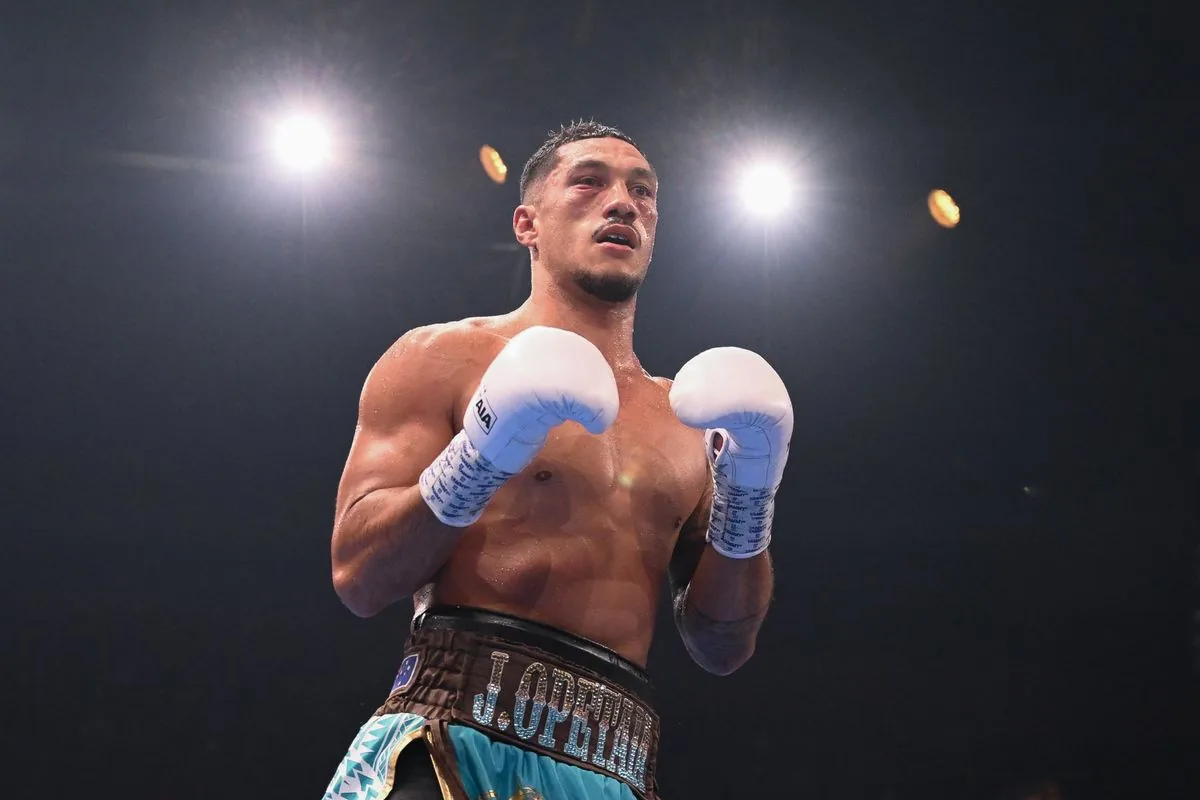
DKP said it held a valid agreement granting exclusive worldwide rights to promote Mikaelian's professional fights. On that premise, it accused TKO and Zuffa of obtaining his services without permission and of interfering with the agreement. The letter demanded that the Opetaia bout be canceled and that Zuffa stop communicating with Mikaelian.
Those assertions explain why the threat mattered: an exclusive promotional contract can determine who has authority to negotiate a bout. They do not prove DKP would prevail. The opened reporting did not publish a final judicial interpretation of the agreement, its term, any option clauses or Mikaelian's defenses.
What the Cease-and-Desist Letter Could and Could Not Do
A cease-and-desist letter puts another party on notice and threatens further legal action. It can cause a cautious promoter, broadcaster or commission to pause. It does not itself compel cancellation in the way a temporary restraining order or injunction can. That would require a court process and judicial relief.
Accordingly, the accurate fight-week language was “DKP demanded cancellation,” not “a court ordered the fight canceled.” Because the event happened, we know the demand did not secure the requested immediate outcome. We do not know from the fight result alone whether contractual claims could continue through damages or later litigation.
Why Zuffa Said the Bout Would Proceed
Dana White denied that Zuffa had improperly interfered and told reporters Mikaelian would fight. Zuffa presumably believed its arrangements were sufficient, but it did not publicly disclose every legal detail in the reports opened for this article. The commission allowed the bout to occur, and both boxers fulfilled the assignment.
The episode shows why cancellation risk should be graded, not treated as binary. A demand letter days before a licensed show is more serious than internet rumor, yet less decisive than an injunction, failed medical or commission withdrawal. Here the card reached the bell, which resolved operational risk while leaving the promoter allegation unadjudicated in public.
Why the WBC Refused to Put Mikaelian's Title at Stake
The WBC issue predated the cease-and-desist letter. On May 29, 2026, its board ordered Mikaelian to defend against David Benavidez, then the WBA and WBO cruiserweight champion as well as WBC light-heavyweight champion. Once Mikaelian chose Opetaia instead, the WBC declined to authorize its belt. That administrative decision existed independently of who had promotional rights.
The Benavidez Mandatory Order
Benavidez's representatives petitioned the WBC after he unified WBA and WBO recognition at cruiserweight. The WBC accepted the petition and designated him mandatory challenger. Its position was simple: Mikaelian's next WBC defense had to be Benavidez, so another opponent would not receive WBC sanction.
The choice drew debate because Benavidez already held other organizations' belts and was not an ordinary ranked challenger climbing an eliminator. But unusual does not mean unofficial. The WBC published the order, and its control of its own championship made compliance the price of keeping that recognition.
Mikaelian's Voluntary-Defense Argument
Mikaelian offered a different chronology. He said he accepted the Benavidez fight immediately but waited more than 60 days without receiving a contract or bona fide offer. He also argued he was still owed a voluntary defense and needed to earn rather than wait indefinitely. Opetaia, the Ring champion and widely regarded elite cruiserweight, was hardly a soft alternative.
That made Mikaelian's sporting decision understandable without making it WBC-approved. A boxer can believe a ruling is unfair and still face its consequences. Mikaelian said Benavidez could meet the winner later; the WBC insisted its ordered sequence came first.
Sanctioning and Promotion Were Separate Disputes
The WBC controlled only whether its title was attached. DKP claimed contractual control over Mikaelian's services. The Nevada commission controlled licensing and event approval. Zuffa controlled its promotion and title. Those overlapping authorities explain how one fight could be licensed, televised and contested for some championships while excluded from another.
Conflating the disputes produces false conclusions. Removing the WBC belt did not automatically cancel the fight. Letting the fight proceed did not invalidate DKP's contract claim. Opetaia winning did not force the WBC to crown him. Boxing's title confusion was not a scoring error; it was the predictable result of several institutions making different decisions.
What Happened When Opetaia and Mikaelian Fought
The politics did not produce a ceremonial exhibition. It produced a demanding cruiserweight fight in which Opetaia overcame swelling, clean counters and a dangerous middle-round moment before becoming the first man to stop Mikaelian. The result strengthened his sporting claim even though it could not deliver the WBC belt.
How Opetaia Forced the Ninth-Round Stoppage
The southpaw Opetaia and orthodox Mikaelian clashed heads early, leaving visible swelling around Opetaia's left eye. Mikaelian repeatedly found the right hand and at one point hurt the Australian badly enough to force clinches. Opetaia nevertheless controlled more exchanges through speed, angles, his jab and increasingly committed power shots.
In round nine, Opetaia landed a looping shot that disorganized Mikaelian, followed him to the ropes and continued punching. With the ropes preventing a fall, the referee administered a count and then stopped the contest when Mikaelian had not recovered sufficiently. Reports differ by several seconds on the official time, but agree on the essential result: Opetaia by ninth-round technical knockout.
Mikaelian entered with three decision losses and had never been stopped. That makes the finish more informative than a routine defense. He tested Opetaia with veteran timing and a reliable right hand; Opetaia absorbed adversity, adjusted and generated the decisive sequence late.
Which Championships Were Actually Defended
Opetaia retained the Ring cruiserweight championship and Zuffa Boxing title. The Ring recognition reflects its own championship lineage and ratings rules. Zuffa's belt belongs to the new promotion's system. Neither was the WBC championship, and the result should not be described as a WBC title win.
Opetaia moved to 31-0, while Mikaelian suffered his first stoppage defeat. For a current record of completed cards, use the site's boxing results. Records and belt labels should be checked together: a result line can be correct even when its title annotation is wrong.
How the Fight Rewired the Cruiserweight Titles
The most confusing part came after the punches stopped. Immediate reports still called Mikaelian WBC champion because his title had not been contested in the ring. The WBC then issued a subsequent ruling that removed his recognition, elevated an interim champion and gave Opetaia a mandatory route. A story written on fight night and one written three days later can therefore appear contradictory without either misreporting what was known at the time.
Mikaelian Lost WBC Recognition After the Fight
Following the September 12 bout, the WBC declared its cruiserweight championship vacant and elevated interim champion Michal Cieslak to full champion. That was an administrative decision, not a retroactive transfer of Mikaelian's belt to the man who beat him. Mikaelian's decision to fight Opetaia despite the Benavidez order had the consequence the organization had warned about.
The order may strike fans as an example of boxing politics overwhelming a compelling result. Others will argue that mandatory rules mean little unless enforced consistently. Both are judgments about fairness. The factual status as checked September 16 is narrower: Cieslak holds the WBC designation and Mikaelian no longer does.
Opetaia Became the WBC Mandatory Without Winning the Belt
The WBC also ruled that Cieslak must defend against Benavidez, then the winner must face Opetaia. In effect, beating Mikaelian earned Opetaia an obligatory place in the line, not immediate possession of the title. Benavidez already holds the WBA and WBO cruiserweight titles; a victory over Cieslak would add WBC recognition and create an enormous potential unification with Opetaia.
That sequence is an order, not a signed calendar. The Cieslak–Benavidez fight still needs to occur as arranged, and the winner must be available for the next assignment. Injuries, negotiations and subsequent rulings can alter timing. The ring-side exchange between Opetaia and Benavidez generated excitement, but the WBC route has an intermediate fight.
The IBF Lawsuit Remains a Separate Track
Opetaia's missing IBF belt is a distinct controversy that began months earlier. In March the IBF withdrew sanction from his Brandon Glanton contest after a dispute over whether a Zuffa championship would also be contested. Its published Rule 5 explanation said an IBF champion who boxes in an unsanctioned contest at his weight has the title declared vacant, win or lose. Opetaia won the Glanton fight but lost IBF recognition.
He filed suit in July seeking reinstatement and alleging the decision punished his Zuffa relationship. Those are his allegations, not a court finding. His September victory over Mikaelian did not itself resolve the IBF case. Calling him “former IBF champion, current Ring and Zuffa champion, WBC mandatory” may sound awkward, but it is more accurate than collapsing four distinct organizations into one generic “world champion” label.
What Comes Next for Opetaia, Mikaelian and Benavidez
The fight settled the question of who won inside the ring and did not settle every question outside it. Opetaia has a mandatory WBC path; Benavidez has a scheduled order against Cieslak; Mikaelian must rebuild after a first stoppage loss and the loss of WBC recognition. The promoter-contract allegation and the IBF lawsuit remain separate legal stories. A clean next-fight poster cannot be inferred from one handshake.
The Opetaia–Benavidez Path Is Attractive but Not Final
After the fight, Opetaia called Benavidez into the ring. They expressed mutual respect and discussed meeting on May 5, 2027. It was a memorable promotional moment, not a signed bout agreement. Benavidez must first navigate the WBC-ordered Cieslak contest if the current route holds; Opetaia must remain available, and promoters must agree on purses, rights, venue and other terms.
A future Opetaia–Benavidez meeting would pit the Ring cruiserweight champion against the WBA/WBO champion and perhaps the WBC holder depending on the intervening result. It would be one of the division's most consequential fights. But boxing regularly produces attractive verbal challenges that never reach a contract. Treat the proposed date as a target until the event organizer and relevant sanctioning organizations confirm it.
Mikaelian's immediate route is less clear. He can recover, examine his contractual position and pursue another high-level cruiserweight opportunity, but no reliable source checked on September 16 confirms a next opponent. Losing the WBC designation does not erase his experience or the competitiveness he showed before the stoppage. It changes his bargaining position and the belt he can bring to negotiations.
A Practical Guide to Reading Future Title Announcements
Read each new update through four questions. Did the fighters merely express interest, or sign a bout agreement? Has a promoter announced the date and venue? Has the relevant sanctioning body approved the exact title? Has the commission licensed the event and participants? These are successive thresholds, not synonyms.
For this specific saga, the short version as of September 16 is: DKP demanded cancellation but the September 12 fight happened; Opetaia won by ninth-round stoppage and kept Ring/Zuffa honors; the WBC belt was not contested, Mikaelian later lost its recognition, and Cieslak was elevated; Opetaia was ordered to face the Cieslak–Benavidez winner. The IBF case proceeds on its own track. Follow the latest boxing results and cards for new confirmed events, and treat any “undisputed” or “all belts on the line” headline skeptically until each organization has sanctioned the same fight.
Keep reading
Related boxing articles
Results & Analysis
Shakur Stevenson and Zuffa Boxing: Release, Timeline and What Comes Next
By Boxing Schedule Editorial TeamResults & Analysis
Bivol vs Beterbiev Results and Scorecards: Why the Two Decisions Went Different Ways
By Boxing Schedule Editorial TeamResults & Analysis
Join the conversation
Comments
Comments are reviewed before publication. Keep the discussion useful and focused on boxing.
Sign in with Google to comment
Your public comment shows your account name. Your email address is not displayed.
Commenting as
Loading comments…