Boxing Classes in Chicago: Beginner Gyms and Park District Options
Compare beginner boxing in Chicago through Park District programs and local private gyms, with seasonal registration examples, contact-policy questions and realistic costs.
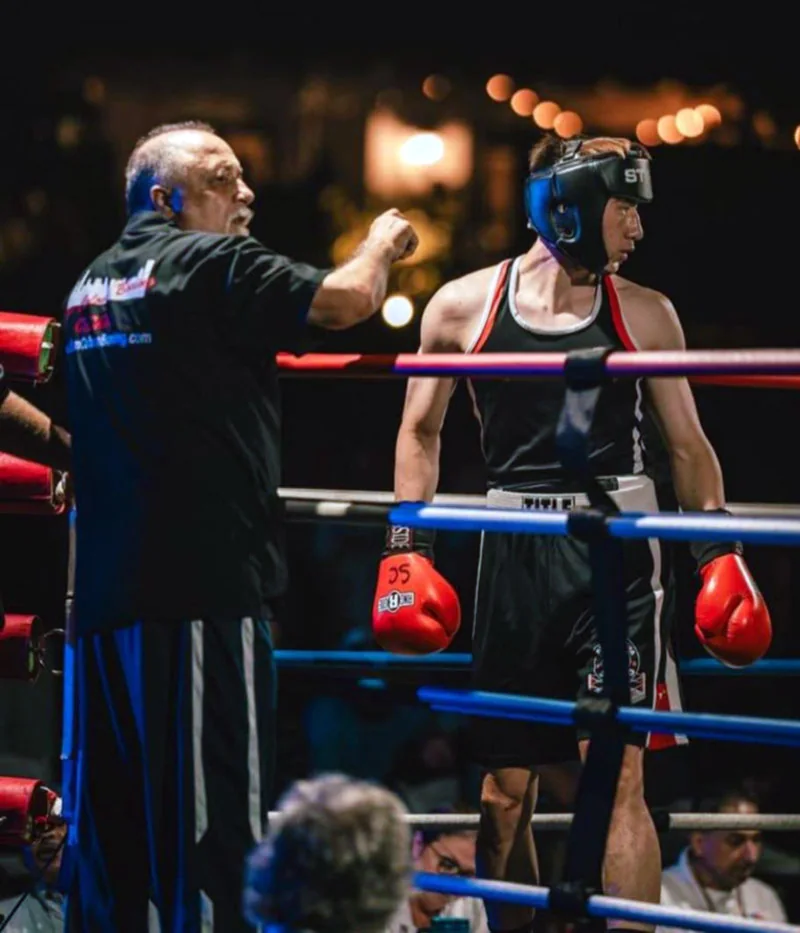
Chicago gives beginners two different routes into boxing
Chicago boxing classes are easier to compare when you begin with two routes: a neighborhood Park District program or a privately operated gym. The public system is a substantial part of the city's boxing offer, not an afterthought to a list of commercial studios. Private gyms, meanwhile, can provide different class formats, individual coaching and membership arrangements. Your first task is to identify a real beginner session on either route, rather than assume the biggest advertising budget points to the best instruction.
The Chicago Park District's boxing directory explicitly describes training for first-time and experienced boxers, including youth and adults. That makes it a legitimate place for a complete newcomer to investigate. A directory listing does not prove that a class has space today, and a facility opening time is not a guarantee of coached instruction. You must follow the listing through to a current program.
On the private route, separate a taught group lesson, independent open gym and a private appointment. Each can be useful, but each buys something different. A beginner who has never been shown a stance should ask how much instruction comes with access to the room. A class may emphasize bag combinations and conditioning; another may spend more time on footwork, defense and partner exercises. Neither label alone tells you whether the session fits your goal.
Before comparing prices, finish this sentence: “After a month, I would like to understand…” The answer might be how to stand and move, how to use a jab without losing balance, or whether you enjoy learning the sport enough to continue. Wanting an enjoyable noncontact workout is also a clear goal. Wanting eventually to compete calls for a separate conversation about the coach's pathway and assessment.
This guide uses public program and provider pages checked on October 14, 2026. It does not claim visits, independent coach testing or an exhaustive ranking of Chicago gyms. Our general beginner boxing guide covers first-lesson preparation; the focus here is Chicago's local choices, seasonal registrations and the questions that distinguish them. A useful shortlist should make your next booking clearer, not simply give you more business names to remember.
Start with the Park District when cost and neighborhood matter
Find a boxing facility, then find a current program
Use the official facility directory to identify a nearby boxing room, then move to its current programs. The directory includes locations across Chicago, so it can reveal an option a search dominated by commercial gyms misses. Your shortlist should follow your real starting point—home, work or school—rather than a citywide list sorted by the most familiar business name.
The two-step search matters because a boxing facility and a class registration are different things. A room can exist without a suitable session being open for your age or preferred time. Ask the park which current entry accommodates complete beginners, what coached attendance looks like, and whether you need to arrive at a particular time within a longer listed window. Do not assume every hour of a facility's opening period is a drop-in lesson.
For a parent, the program entry should identify the child's age group before you compare price. For an adult, confirm that the coach is expecting a newcomer rather than an experienced boxer working independently. You are looking for an introduction to stance, movement and punches, not simply permission to enter a room containing bags.

Read the seasonal fee and age range together
Taylor Park's Fall 2026 listings show why a blanket claim that Chicago public boxing is either free or expensive is unhelpful. On October 14, the page listed an ages-eight-to-under-18 boxing program for September 14–December 10 at $0. A separate adults-18-and-up entry for September 15–December 10, Tuesday and Thursday evenings, showed $15. Another adult daytime entry showed $25. These are separate seasonal entries, not interchangeable prices for every Chicago gym.
The correct comparison unit is the particular program: its term, age range, listed sessions, eligibility and what the fee covers. A seasonal registration is not automatically a monthly subscription, and a zero-dollar youth entry does not establish a free adult entitlement. Follow through to the registration details and ask about available places; a published price alone does not reserve one.
Write down any remaining equipment, membership or event expense separately. A low fee can be excellent value, but it still needs a workable schedule and suitable instruction. Conversely, do not dismiss a public program because it costs less than a private studio. Observe the teaching and ask how a beginner receives feedback. Price and polish are imperfect substitutes for the question that matters: can this session help you learn?
Compare private gyms by the session you will actually attend
Ayala Boxing Academy in Lakeview
Ayala Boxing Academy publishes beginner, advanced and competitive tracks at 3144 North Lincoln Avenue. Its FAQ says beginner classes are noncontact and sparring is optional within the advanced and competitive pathways after a foundation is established. That specific answer is more helpful for a newcomer than reading a generic session outline and assuming every phase applies to everyone.
Ask how your first visit is organized and which booking suits your experience. A small coaching environment can be attractive when you want repeated feedback, but the useful test is whether you understand the correction you receive. If the schedule says more experienced boxers may share a beginner session, ask how the coach divides the work. A mixed room can still teach well when the task is adapted clearly.
Sam Colonna Boxing and Windy City Boxing
Sam Colonna Boxing Gym lists its Chicago facility at 2600 West 35th Street, on the second floor. Its website also describes an Indiana location, so choose the Chicago branch when asking about a class. The gym advertises an introductory first class and distinguishes membership options. Confirm who teaches the beginner session, which classes it includes and whether a coach will show a newcomer how to use independent training time.
Windy City Boxing identifies a Pilsen location at 2150 South Canalport Avenue and links boxing classes, personal training and memberships. Its boxing heritage is part of the setting, but an older news post is not a current timetable. Contact the gym or use its linked booking route to ask about the next suitable introductory class and what equipment is expected.
For both businesses, judge the session you can attend rather than the most accomplished person associated with the room. A respected head coach may oversee several programs, and a championship photograph does not explain how instruction is allocated during your hour. Ask which coach you will meet and what a complete beginner should expect to practice. A concrete answer is more valuable than a general promise that the gym trains all levels.
Why open gym and coached classes need separate questions
An open-gym membership can be useful once you have a training task and understand how the room works. It may let you repeat footwork, shadowbox or work a bag between coached sessions. It should not be assumed to buy the same attention as a group lesson or private appointment. Ask whether a trainer is available, whether instruction is scheduled separately and what a new member should do on arrival.
Likewise, “all access” needs a plain-language explanation. Does it include the exact class you want? Are bookings limited? Are personal sessions extra? You are not being difficult by asking. The staff's answer helps prevent an avoidable mismatch between access to equipment and access to teaching.
Use the same questions across providers so the comparison remains fair. One gym might offer the right noncontact session near work; another might suit a future competitive goal. Your first choice does not have to settle your entire boxing future. It should offer a good first month with clear instruction and costs you understand.
Check the coach, contact policy and first-month costs
Book a class with a clear learning purpose and observe whether the teaching follows it. If the session is advertised for beginners, someone should explain the stance and task before expecting speed. Listen for corrections about balance, hand position and movement after punching. The ability to demonstrate a long combination is different from the ability to help a new boxer understand a short one.
One useful test is to ask what you should improve on the next attempt. A correction such as recovering your rear hand or finishing with your feet under you gives you something to work on. A vague instruction to “go harder” may motivate a conditioning round without solving a technical problem. You can enjoy both types of effort, but be clear which one you are purchasing.
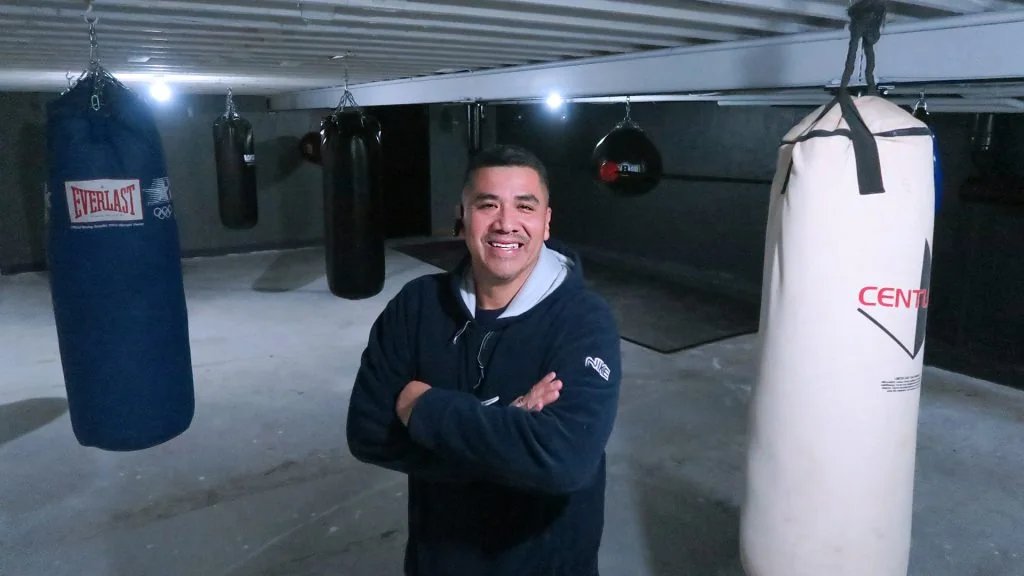
Resolve mixed messages about sparring before booking
Websites often describe everything a gym offers on one page. A generic session outline mentioning sparring does not necessarily mean a beginner will be asked to spar. Ayala's page illustrates why the level-specific detail matters: its general flow includes contact, while its FAQ explicitly calls beginner classes noncontact. Ask which description applies to your booking and whether you can continue without sparring. Get that answer before arriving, rather than trying to interpret the entire gym's training philosophy from a single photograph.
If you eventually want contact, ask who assesses readiness, how partners are selected and what supervision and memberships are required. A future competitive goal does not mean you need a first-day test against another boxer. Defensive positioning and controlled technical work deserve attention in their own right. The coach should explain progression in terms of skills and assessment rather than a universal number of weeks.
Then separate the first-month bill from the ongoing cost. Ask about enrollment, required gear, rental charges, the sessions included and whether unused visits expire. Sam Colonna's membership page, for example, lists a new-member fee as well as membership categories. That structure is a reminder to compare totals, not a guarantee that an older price shown online will be your final quotation.
Finally, request the renewal and cancellation terms, missed-class rules and any booking limits. A seasonal park registration, a monthly pass and a recurring commercial membership are different commitments. Put the actual dates and conditions beside your route and class goal. A lower price is useful only if you can use the relevant instruction, and a higher price should buy something you can identify.
Build a Chicago training week that survives the commute
Turn the shortlist into two workable appointments rather than a citywide contest. Identify when you could train on an ordinary weekday, including changing and the trip home. A Lakeview session, a Pilsen gym and a West 35th Street facility are different route decisions. A neighborhood Park District program may provide another option. Use the address and actual lesson time, then test the journey on the day of your trial.
Contact each provider with the same short description: your experience, age group, goal, preferred days and contact preference. Ask which class to book, who will instruct it, what to bring and the total initial cost. For a public program, add the seasonal entry and ask whether registration is still possible. For a private gym, clarify whether the trial and the membership you are considering cover the same type of lesson.
After the session, compare what happened with what you requested. Did you understand the task? Was there room for a question? Were you shown what to correct? Did the advertised contact policy match the lesson? Note the route and payment terms as well as the atmosphere. These observations help you make a grounded decision without pretending that one hour establishes the quality of every coach at a facility.
Discuss a manageable first-month pattern with the instructor. Keep a small learning note after each visit: one correction, one question and one thing that felt more understandable. For example, the jab may begin to make more sense when you stop reaching from too far away, or a step out may feel more controlled when your feet retain their spacing. These are discussion prompts, not promises of a particular result after a fixed number of classes.
Fight fans can connect class vocabulary with observation. Choose a bout from the weekend boxing schedule, then spend a round watching one idea: the lead hand returning, a fighter leaving the ropes, or a boxer resetting after a combination. Ask your coach about what you noticed. Watching experts gives context, while your lesson supplies the supervised practice.
Before committing beyond that month, check the next term or renewal date. A public program can end between seasons, and a private pass can expire while you are away. Ask how to maintain continuity without paying for sessions you cannot attend. Keeping the practical arrangement clear leaves more attention for the lesson itself, which is where a beginner's questions should be answered.
Choose the program that keeps those pieces together: suitable instruction, a clear contact agreement, understandable costs and a route you can repeat. Chicago's public and private boxing options give beginners several routes into the sport. Your first month should help you learn which one fits your life as well as your interest in boxing.
Keep reading
Related boxing articles
Fight Guides
Why UNLV Moved a Football Game for Canelo–Crawford at Allegiant Stadium
By Boxing Schedule Editorial TeamFight Guides
Boxing Ringwalks and NFL Kickoffs: A Sports Viewing Guide
By Boxing Schedule Editorial TeamFight Guides
Join the conversation
Comments
Comments are reviewed before publication. Keep the discussion useful and focused on boxing.
Sign in with Google to comment
Your public comment shows your account name. Your email address is not displayed.
Commenting as
Loading comments…