Boxing Ringwalks and NFL Kickoffs: A Sports Viewing Guide
Understand boxing coverage, ringwalks and round lengths, then plan a full fight night alongside NFL games with useful reminders and verified replay options.
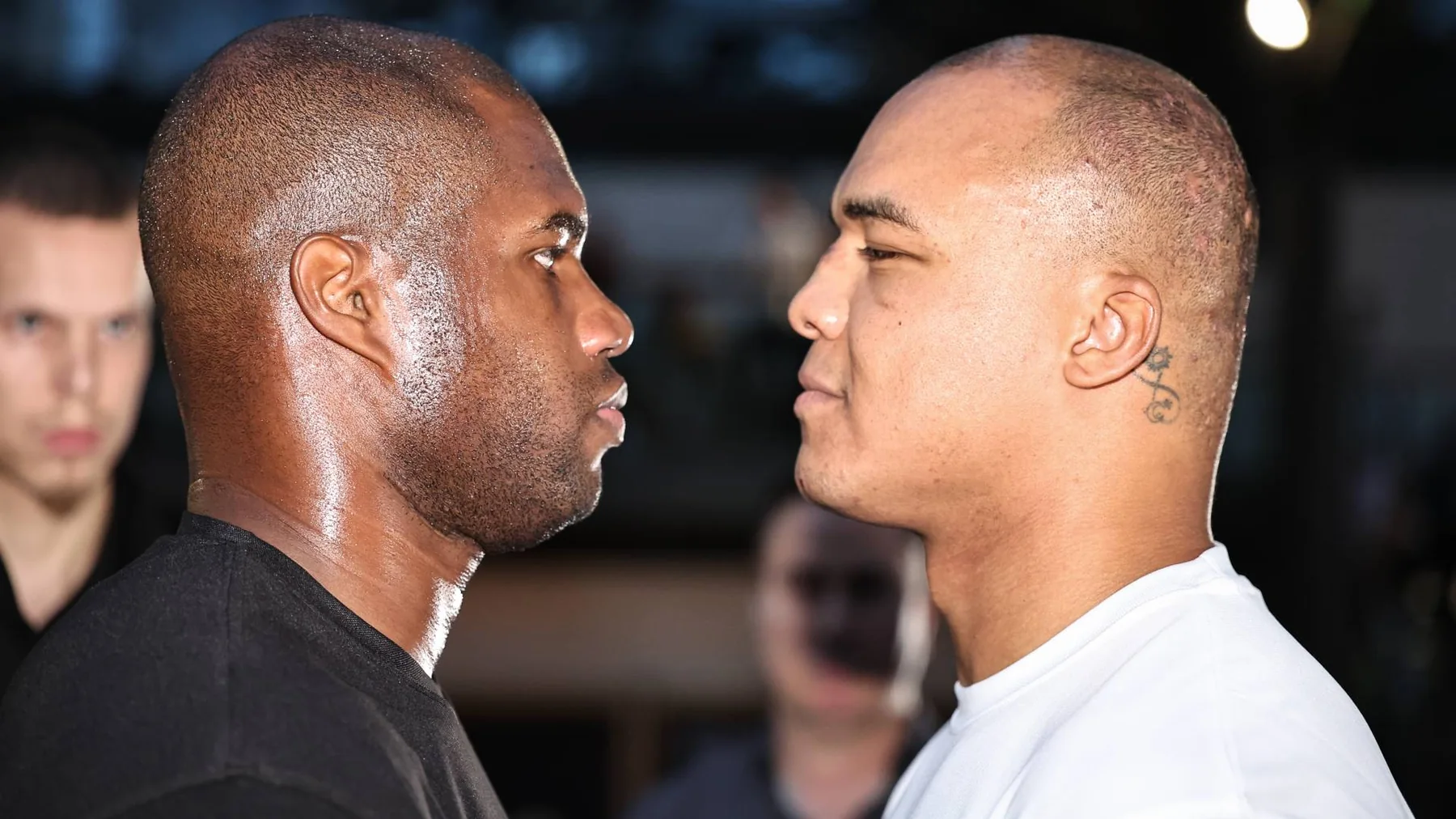
Use boxing ringwalk times as estimates and NFL kickoffs as scheduled appointments that still need a final check. To watch both sports, preserve the labels, choose the bouts you want to follow, and confirm your replay options before the evening begins. A main-event poster rarely tells the whole story of a boxing card.
This guide explains how to build that plan without losing the undercard or mistaking broadcast coverage for the opening bell. Viewing features were checked on October 23, 2026; the named fights below are dated examples, not upcoming-event announcements.
Label the broadcast, ringwalk and opening bell separately
The most useful boxing time is the one that describes what you intend to watch. A broadcast start tells you when coverage begins. A main-card start identifies a portion of the show. A ringwalk estimate concerns the fighters' entrances. The opening bell starts the actual bout. Those moments may all appear beside the same two names, but they are not interchangeable appointments.
For a concrete example, DAZN's published guide for Dubois–Wardley 2 on October 17, 2026 listed a 7 p.m. British Summer Time main-card start and approximate headline ringwalks at 10:30 p.m. It explicitly made those timings subject to change. That is a historical example of the published plan, not a claim about the moment the bell actually rang. Copying only one of those times without its label loses the most important part of the information.
At home, decide whether you want the whole televised card or a particular bout. If you want the full card, the broadcast or main-card opening is the useful anchor. If you want a boxer on the undercard, locate that matchup in the announced order; the headline estimate tells you little about when that boxer will appear. For the main event, use the ringwalk forecast as a prompt to check the live programme rather than a reason to ignore everything until the exact minute shown.
For an arena visit, add a separate doors-opening entry if the venue publishes one. It describes access to the building, not the first punch. Security, finding your seat and the walk back out after the event all affect a plan to watch football elsewhere. A friend following the television schedule at home may be working from a different start point than someone attending the show, even though both think they have agreed to meet “before the boxing.”
Our boxing start-time guide explains those labels in more detail. When comparing the event with football, write the label into your own reminder: “boxing coverage begins” or “check estimated ringwalk,” followed by the source's time zone. Preserve any uncertainty the organiser includes. A tidy calendar is not more accurate if it silently turns an estimate into a confirmed first bell.
That distinction also helps when people share a screen. Agree whether “we will switch to boxing at ten” means checking the live card, watching the entrances or expecting the fight to begin. A brief conversation about the label can prevent a missed undercard bout or an unnecessary argument during the final quarter of a football game.
Count the rounds without pretending to predict the finish
A scheduled distance gives a bout its sporting shape, but it does not supply a reliable television finish time. The ABC's unified boxing rules specify three-minute rounds with one-minute intervals. For a contest scheduled over twelve such rounds, uninterrupted action plus the eleven intervals would occupy 47 minutes from first bell to final bell. That calculation excludes everything before the opening round and after the last one, along with any interruption during the contest.
Notice why the total is 47 rather than 48: there is no between-round rest after the final bell. Also notice what the calculation cannot tell you. It does not predict whether a bout will reach the scheduled distance. It does not allocate time for the result announcement or the changeover to the next contest. It is a description of one complete sporting format, not a promise that a particular broadcast will move on at a particular minute.
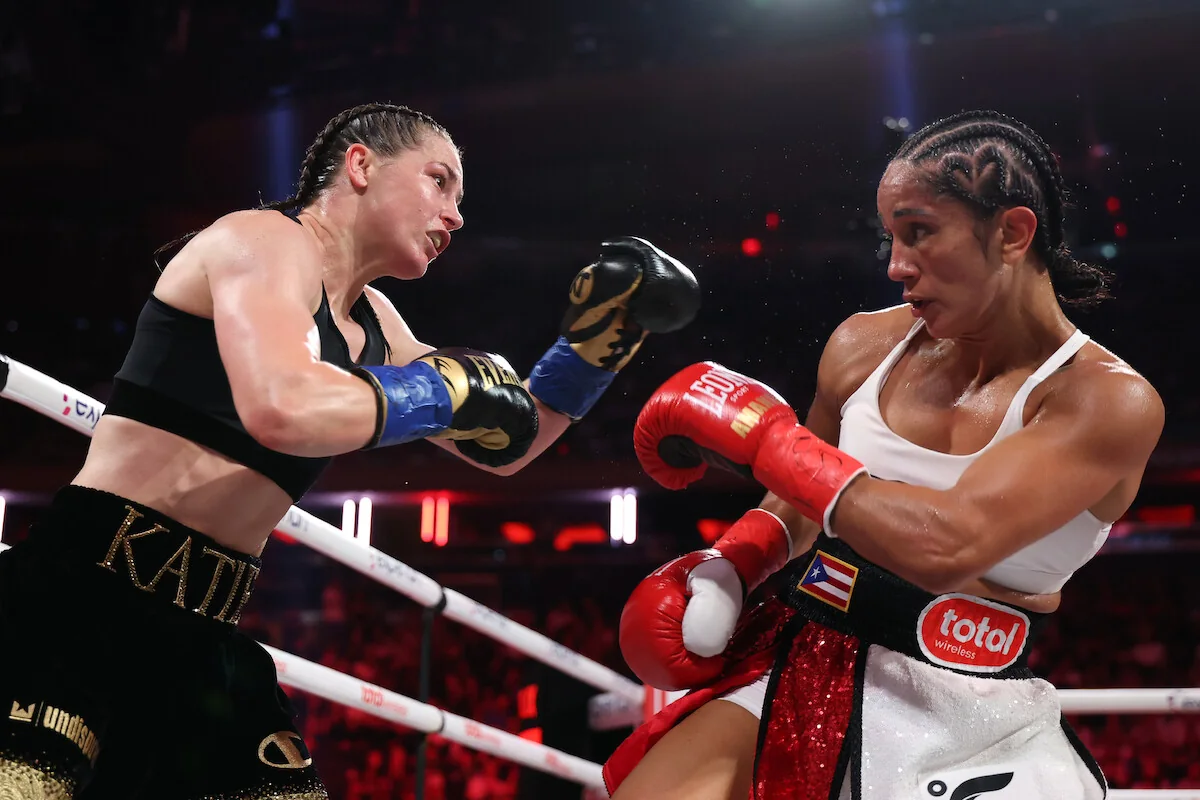
Do not assume every bout on a card uses that format. Check the announced number and length of rounds for each matchup that matters to you. As a dated example, Netflix's recap identifies Katie Taylor–Amanda Serrano 3 at Madison Square Garden on July 11, 2025 as ten two-minute rounds. With nine one-minute intervals, that format would occupy 29 uninterrupted minutes between its first and last bells. Use the event's actual terms rather than a blanket assumption about all women's bouts or all championship contests.
This matters most when you are trying to watch another sport before the headliner. Adding the maximum scheduled lengths of the remaining fights creates an attractive-looking timetable, but the result mixes several unknowns. An earlier finish removes rounds; programme presentation and changeovers still take time; the running order may have changed since you copied the card. Avoid turning that arithmetic into a minute-by-minute countdown for your friends.
A better use of the round count is to understand your commitment once a bout starts. If this is the fight you want to follow closely, plan to stay with it through the result rather than setting an alarm to leave at your calculated final bell. If football is the priority, make that decision before the boxing begins and check how you can watch the bout later. You can use numbers to compare options without pretending they remove the uncertainty that makes live sport compelling.
Follow the undercard as boxing, not a countdown
Before reducing a card to the time remaining before its headliner, choose one earlier matchup to watch on its own merits. The structure of a boxing fight card can help you locate it, but its position on the bill does not tell you how interesting the contest will be. A co-main event or developing prospect's bout gives you another sporting story, with its own stakes and adjustments.
Start with a question you can follow without knowing either fighter's entire career. Who is able to land the jab without immediately taking a counter? Does the advancing boxer actually close the distance, or simply follow the opponent around the ring? What happens after a combination: a clean exit, a clinch or an answering shot? These are prompts for watching, not a substitute for the judges' scoring or a claim that one statistic settles every round.
A historical example shows why joining late can change your impression. In its Baumgardner–Miranda recap from July 2025, Netflix described Baumgardner's early footwork and counters, followed by stronger pressure from Miranda later. Baumgardner won a unanimous decision. That brief account makes the viewing point: the late phase alone does not necessarily explain the full contest.
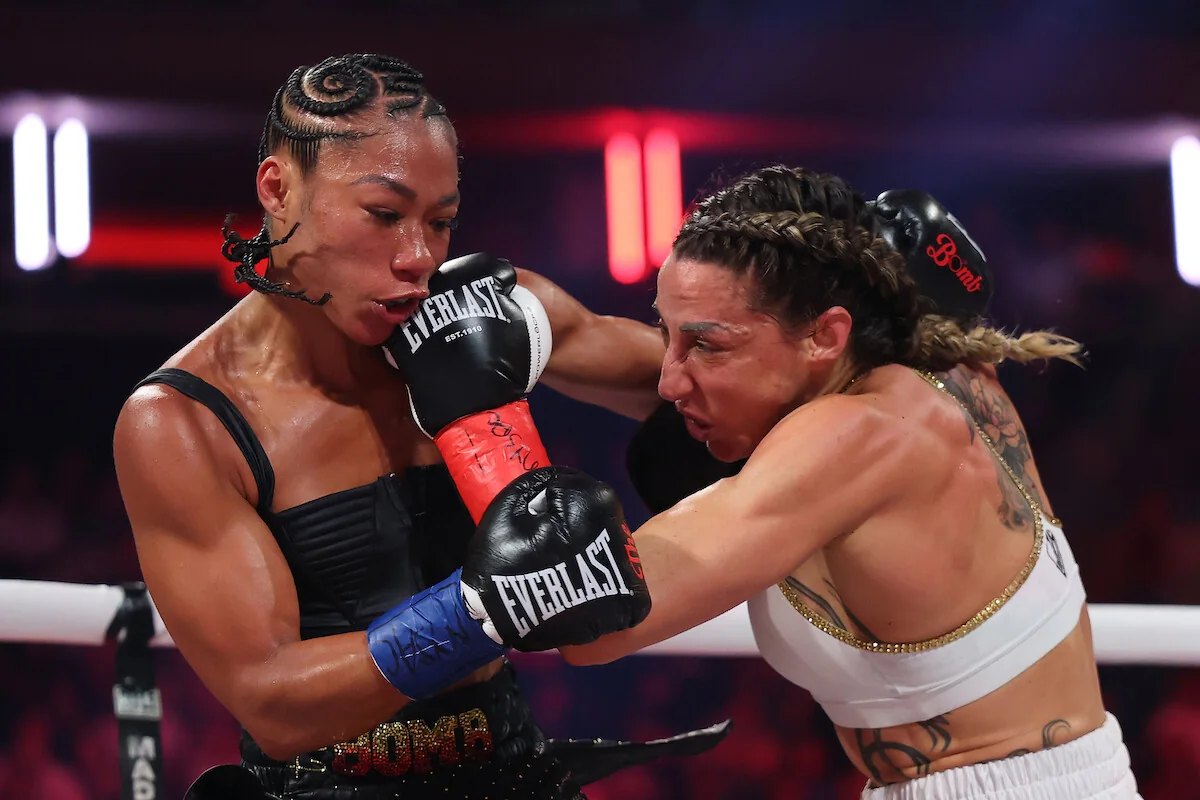
For a hypothetical example, imagine a boxer repeatedly reaching the body with a jab during the opening rounds. Later, the opponent lowers a hand and becomes more vulnerable upstairs. You would need to watch the exchanges to assess whether that pattern actually occurred; a single highlight or photograph cannot prove it. Following the setup gives you a more useful question than simply asking when somebody will get knocked out. Equally, an opponent might solve the problem, change the distance and reverse the pattern.
If you step away for football, be honest about the gap when you return. A fresh score graphic or excited commentator may tell you that the contest has changed, but it cannot replace the rounds you missed. Ask what happened, or save the complete bout for later. There is no need to force an instant verdict on the scoring from a handful of exchanges.
For a shared viewing night, nominate the undercard bout before the broadcast starts. That makes the plan more considerate: everyone knows whether you intend to watch one matchup in full or keep the main screen on football. It also gives a new boxing viewer something specific to anticipate beyond the names on the event poster. If the contest becomes absorbing, deciding to stay with it is a reasonable change of plan.
Give NFL kickoffs and boxing estimates different reminders
A combined calendar works best when each entry retains the meaning of its original time. Keep the football matchup as a scheduled kickoff. Keep the boxing card's coverage start as coverage, and add a separate personal reminder to check the headline bout's progress. Do not overwrite the card entry with a ringwalk estimate just because the latter seems closer to the part of the show you want.
For boxing, our boxing calendar offers subscriptions and downloads. Its entries represent cards, with the broadcast or card start identified; an unannounced start can appear as an all-day item. That all-day block means the time is unresolved. It does not mean coverage runs all day, and it should not become a midnight alarm simply to make a phone display a definite hour.
For the football side, the NFL Schedule calendar tool is a convenient related option. It offers full-league and team calendars, with subscription links and one-time ICS downloads. NFL-Schedule.com belongs to the same project as BoxingSchedule.info; this is a recommendation of our related tool based on those features. It is not an independent product ranking or an official league service.
Choose a team feed if one NFL matchup normally determines your weekend. Choose the wider calendar if you deliberately compare several games. Keeping football and boxing in separate calendar colours can make conflicts easier to spot without hiding either sport. Add personal notes alongside the imported entries: the boxing matchup you care about, where its running order is published, and which screen has priority if the events overlap.
A downloaded file is a snapshot. A subscription can pick up later changes when the calendar application refreshes; do not assume that means an immediate notification. The NFL's flex procedures allow schedule changes. Recheck the published kickoff before finalising your plan. On the boxing side, review the promoter or broadcaster's latest card notice, then check the live programme when your personal ringwalk reminder appears.
Finally, inspect the date as well as the hour on your own device. A late bout in one country may belong to the following day where you watch. If you travel, check which time zone your calendar is displaying before sharing a meeting time with somebody at home. Write “check live boxing card” for an uncertain transition and reserve “kickoff” for the scheduled football start. Those small labels let one calendar hold two sports without suggesting that both clocks behave in the same way.
Choose your live priority and verify the backup
When two events overlap, the useful question is which experience you value live. You might want to see every round of a particular title fight, or share your team's football game with friends. Neither choice requires pretending that a second screen gives both contests your full attention. Pick the priority and investigate the alternative before the first event starts.
For boxing, begin with the event's official broadcaster in your country; our boxing TV listings can help you locate the relevant viewing information. Check whether access includes the event itself, whether a separate purchase is required, and whether the complete bout or card will be available afterward. A thumbnail labelled “highlights” is not the same as a replay containing every round.
Do not assume last month's replay conditions apply to the next card. DAZN's add-on event information says replay availability and viewing periods can vary. Read the event's own offer before relying on a delayed viewing plan. If the information remains unclear, treat the replay as unconfirmed and choose your live priority accordingly, rather than promising someone that the whole fight will definitely be waiting tomorrow.
For a US football example, NFL+ Premium replay access covers supported devices. Its live local and primetime game access has different device limits, including phone and tablet restrictions. An app being installed on a television does not by itself establish that a particular live game is available there. Outside the United States, check the applicable service and rights for your location.
Test the actual device you intend to use while there is still time to solve an account or playback problem. Confirm the correct account, event entitlement and sound output. If you plan to move between two screens, check the provider's simultaneous-stream conditions. These are viewing preparations, separate from the schedule: a correctly timed calendar entry cannot unlock a broadcast or resolve a subscription mismatch.
Before settling in, check for a revised boxing card, changed opponent or postponement. If you choose a replay, decide whether you want to avoid results and silence score alerts accordingly; our boxing results page is useful when you are ready to see the outcome. Then enjoy the contest you chose. A workable weekend leaves room for the boxing to develop round by round, while giving the football game its own clearly labelled place in the plan.
Keep reading
Related boxing articles
Fight Guides
Why UNLV Moved a Football Game for Canelo–Crawford at Allegiant Stadium
By Boxing Schedule Editorial TeamFight Guides
Real Boxing Game Guide: Versions, Official Downloads and Boxing Modes
By Boxing Schedule Editorial TeamFight Guides
Join the conversation
Comments
Comments are reviewed before publication. Keep the discussion useful and focused on boxing.
Sign in with Google to comment
Your public comment shows your account name. Your email address is not displayed.
Commenting as
Loading comments…