Why UNLV Moved a Football Game for Canelo–Crawford at Allegiant Stadium
UNLV moved its Idaho State game from September 13 to August 23, 2025, to accommodate Canelo–Crawford. The case shows how a stadium fight can reshape another sport’s calendar.
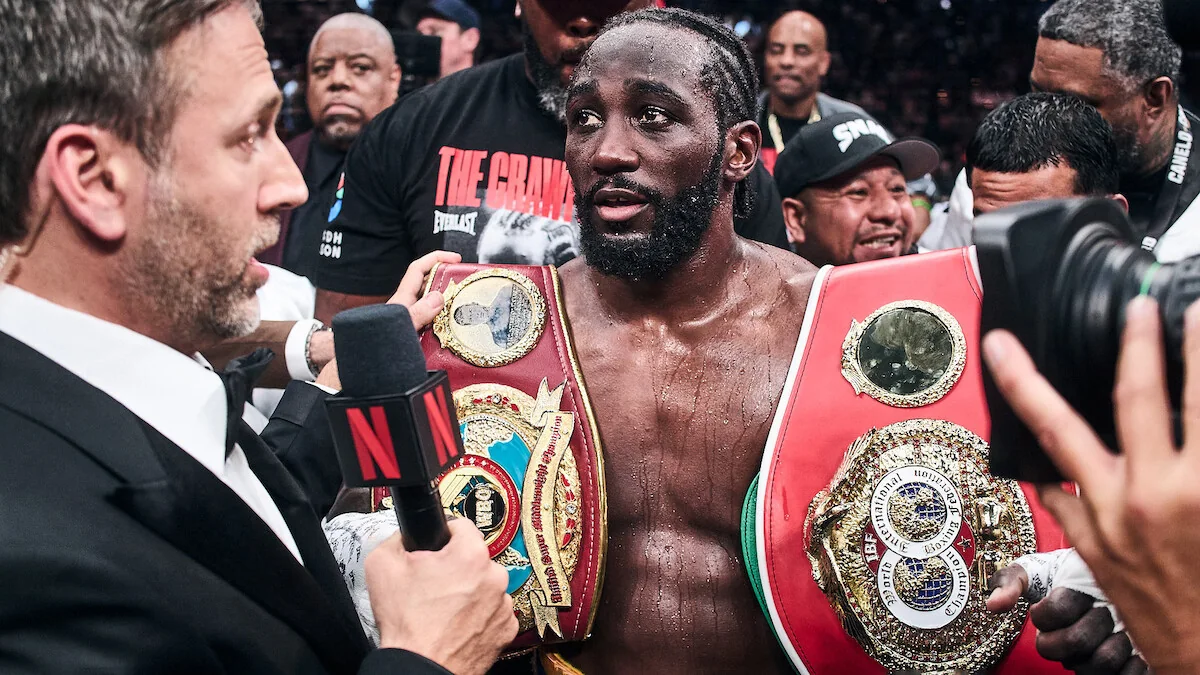
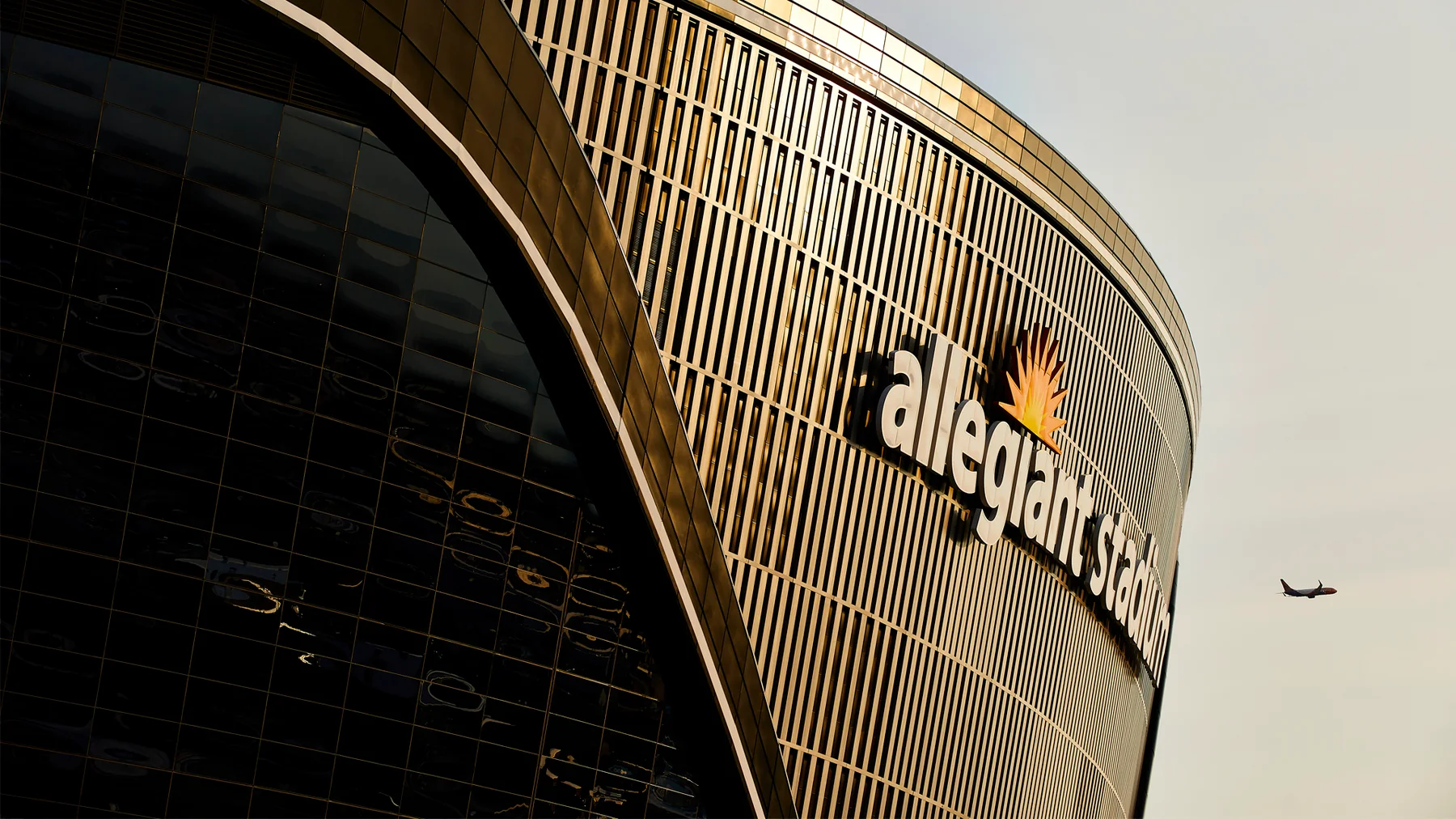
UNLV moved its 2025 home football game against Idaho State from September 13 to August 23 so Allegiant Stadium could host Canelo Álvarez versus Terence Crawford. The change, announced in June after an NCAA waiver, is a direct example of a major boxing event reshaping a college football schedule. It also explains why fight fans should read a stadium date alongside the other events sharing the building. This historical guide follows the actual change, the championship bout that prompted it and the practical difference between a venue listing, a fight card and a football kickoff.
The football game moved three weeks, not one day
UNLV’s home game against Idaho State was originally scheduled for September 13, 2025, the date selected for Canelo Álvarez versus Terence Crawford at Allegiant Stadium. The solution was to play the football game on August 23 instead. That was a move of 21 days earlier, with the same opponent and the same home venue. It was not a Friday-night adjustment designed to squeeze football and boxing into one weekend.
The June 27 announcement from UNLV explicitly connected the change to accommodating the championship fight. Idaho State published a matching notice. Those school announcements are more precise than describing boxing as having simply taken over the stadium: they identify the particular game, the replacement date and the approval that made the move possible.
What the NCAA waiver changed
UNLV said the NCAA approved its request to move the home opener into Week Zero, the early slot before the main opening week of the college football season. Athletic director Erick Harper said the university had considered several alternatives and identified that option as the workable solution if the waiver was granted. This was a specific approved scheduling change, not evidence that a boxing promoter can automatically displace a college game whenever a larger event becomes available.
The distinction between the announcement and the completed event is also useful. At the time of the June notice, the revised football kickoff time and television information were still to be announced. By August 23, the game had actually been played: UNLV beat Idaho State 38–31 at Allegiant Stadium in Dan Mullen’s debut as Rebels head coach. Both universities’ match reports confirm the result. The football fixture was preserved, while its place in the season changed.
For fight fans, that chronology explains why a confirmed arena date matters beyond a poster. The boxing card required a venue that could host it on the chosen evening, and another tenant already had an event on that date. Resolving the conflict involved the football programs and the college governing process as well as stadium availability. The public announcements explain that part clearly; they do not establish every private commercial term behind the arrangement.
The case is therefore best read as a documented example of a shared stadium calendar being renegotiated. It does not show that the fight itself was postponed, nor that football supporters could attend their original September game before walking over to the boxing. By the time Canelo and Crawford fought, the moved football opener was already three weeks in the past.
Why this became a stadium fight
Canelo–Crawford was built around a question boxing fans could understand without any stadium promotion: could Terence Crawford move up two weight classes and beat the established champion at super middleweight? The contest took place at the 168-pound limit, with Canelo’s undisputed championship at stake. That made the size difference part of the competitive story rather than a reason to treat the meeting as an exhibition.
A title fight, not an exhibition
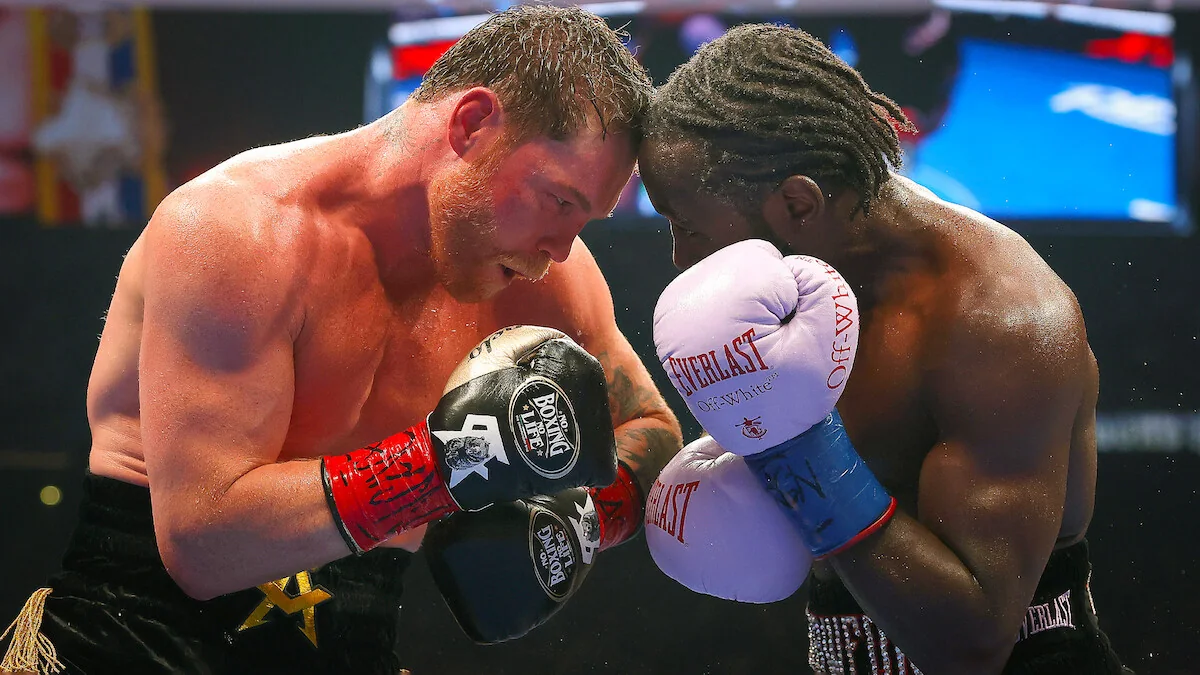
Undisputed status meant the championship recognized across the four major sanctioning organizations: the WBA, WBC, IBF and WBO. The bout was scheduled as a championship contest, and it went the full 12 rounds. Crawford won by unanimous decision, with scores of 116–112, 115–113 and 115–113. The WBO’s post-fight report confirms the result and Crawford’s capture of the undisputed super middleweight title.
That outcome is important when revisiting the booking story. The stadium did not merely host two recognizable personalities. It hosted a contest that transferred championship ownership. Crawford had to solve the problems posed by an opponent established at the higher weight, while Canelo had to deal with Crawford’s movement and defensive skill. Netflix’s contemporary recap emphasized how Crawford used those qualities to frustrate the champion. The decision records the judges’ conclusion; the crowd size does not tell you who won a round.
The event’s scale was substantial. In an April 2026 retrospective, TKO reported attendance of 70,482 and described it as a Nevada boxing record. That is an event-specific reported attendance, not a fixed capacity to apply to every sport using Allegiant. It helps explain the commercial ambition of taking this particular matchup into a stadium, without proving that every title fight would draw the same audience.
Distribution was part of the proposition as well. The stadium’s advance announcement said the September 2025 fight would stream globally on Netflix without an additional pay-per-view charge for subscribers. That describes the terms promoted for this event; it should not be read as a promise about all future boxing broadcasts. A large live audience and a widely available broadcast were complementary ways of presenting the same championship contest.
For the UNLV scheduling story, the relevant point is the combination: a major title matchup, a specific Las Vegas date and a venue large enough to stage the planned event. Those are concrete reasons the conflict became consequential. The sporting result and the business decision belong in the same history, but neither should be used to invent motives or contract terms that the public announcements do not disclose.
One building, two different spectator experiences
The date change did not make a UNLV ticket a boxing ticket. The football game and the fight remained separate events with separate admission arrangements. That may sound obvious, but shared-venue promotion can blur the distinction when the same stadium name appears in both searches. The useful information is the event attached to the ticket, not simply the building printed beneath it.
Allegiant’s archived Canelo–Crawford page linked to Ticketmaster for fight tickets and to On Location for hospitality packages. UNLV’s announcement directed football buyers to the university’s ticket service. Those are historical examples of two different event paths. A premium package might include experiences beyond a seat, but a description of lounge access or an afterparty does not, by itself, explain how well you can see the ring.
The seating question changes with the sport. Football distributes play across a large field; boxing concentrates the contest inside a ring. For a fight, evaluate the actual ring position, your elevation and the rows between your seat and the action. A section number that is familiar from a football visit gives you a location in the building, but not a complete description of the boxing view. A generic stadium chart is a useful starting map, not a substitute for the event’s own configuration.
Allegiant publishes general and accessible seating charts. For a future event, compare those with the map supplied for that exact card. Check whether a floor seat is elevated or on a flat surface, whether the listing mentions a restricted view, and what the seat number actually refers to. These questions are more reliable than assuming every floor ticket beats every lower-bowl seat. Our boxing tickets guide explains that buying decision in more detail.
Arrival information also belongs to the event. The stadium’s current A–Z guide distinguishes UNLV football entry arrangements from other major events, for which it directs visitors to the individual event page. That is a useful instruction for anyone returning to a familiar building for a different sport. Do not carry over a football gate time, parking assumption or package entitlement just because the exterior looks the same.
Finally, read the year on an archived listing. The Canelo–Crawford page still describes September 13, 2025. Its survival online documents the past event; it does not announce a new edition. A search result with the fighters’ names and a ticket button needs that date check before it becomes a travel plan.
A fight-night listing contains several different times
Moving UNLV’s game solved a conflict between dates. It did not mean Canelo and Crawford would enter the ring as soon as Allegiant opened its doors. The archived event information and Netflix’s broadcast guide describe different parts of a long boxing program, which is why apparently different start times can both be useful.
| September 13, 2025 listing | Published time | What it described |
|---|---|---|
| Allegiant doors | 1:30 p.m., Las Vegas local time | Admission to the venue |
| Allegiant event start | 2:30 p.m., Las Vegas local time | The venue’s event listing |
| Netflix main card | 6 p.m. Pacific / 9 p.m. Eastern | The main-card broadcast window |
These are historical listings for the 2025 event. The first two come from Allegiant’s event page; Netflix’s preliminary-card guide identifies the later main-card window. Las Vegas was on Pacific Daylight Time that September, so Pacific and Eastern labels are clearer here than treating summer times as standard time.
A main card is a sequence of bouts, not another name for the headline contest alone. The Canelo–Crawford program included other fights before the two headliners met. Reading the broadcast start as a guaranteed first bell for Canelo versus Crawford would therefore miss the structure of the show. Conversely, someone interested in the preliminary fighters needed information earlier than the headline broadcast window.
For a spectator entering the building, the door time answers when arrival becomes possible. For a viewer at home, the broadcaster’s main-card time answers when that portion of the coverage begins. For either person, a ringwalk estimate would answer a different question and should remain an estimate unless the organizer explicitly confirms otherwise. A card can change pace as bouts end early or go the distance.
The UNLV example adds a separate lesson: check the date before comparing the clocks. No amount of converting Pacific to Eastern time would have made the moved August 23 football game part of the September 13 fight-night schedule. Once the date and venue are correct, then compare the particular stage of each event you actually want to watch.
How to follow UNLV alongside the boxing calendar
For someone who first encountered Allegiant through Canelo–Crawford, UNLV is a concrete connection to college football: it is the program whose home game changed to make the fight date work. Following the Rebels offers another way to understand the stadium’s sporting life. It does not require assuming that every major boxing weekend will overlap with a football game, or that the 2025 arrangement will be repeated.
CollegeFootballSchedule.net is a related schedule site operated within the same project as Boxing Schedule. Its homepage organizes college football listings by team, week, conference and TV network. This is a recommendation of our own related tool, with that relationship made explicit. It is useful here because it lets a boxing reader move from the stadium story to actual football dates and opponents.
For the team at the center of this case, open the UNLV football schedule. Start with the venue column, then the date and opponent. A UNLV game can be an away trip, so the team name alone does not establish that Allegiant is hosting it. The tool labels times in Eastern Time and retains TBA where details are unconfirmed; compare those labels carefully with local Pacific times used for Las Vegas events.
Once a particular game interests you, confirm it against UNLV’s official schedule and the stadium’s event information. The 2025 change is a useful reminder that an early season announcement and the final event arrangements can differ. Check again when deciding whether two events fit the same trip, especially if one still lacks a confirmed start time.
On the boxing side, our Netflix boxing schedule and boxing results separate forthcoming listings from completed contests. Keep that distinction when revisiting Canelo–Crawford: the September 2025 fight and the August football opener are finished events. Their lasting value for a fan is the unusually clear example they provide of how a championship boxing card can change another sport’s calendar inside the same stadium.
Keep reading
Related boxing articles
Fight Guides
Boxing Ringwalks and NFL Kickoffs: A Sports Viewing Guide
By Boxing Schedule Editorial TeamFight Guides
Real Boxing Game Guide: Versions, Official Downloads and Boxing Modes
By Boxing Schedule Editorial TeamFight Guides
Join the conversation
Comments
Comments are reviewed before publication. Keep the discussion useful and focused on boxing.
Sign in with Google to comment
Your public comment shows your account name. Your email address is not displayed.
Commenting as
Loading comments…