Boxing Classes in Atlanta: A Beginner's Guide to Local Gyms
Compare Atlanta-area boxing programs, including X3 Sports, Buckhead Fight Club and Decatur Boxing Club, with practical questions about coaching, routes, fees and contact.
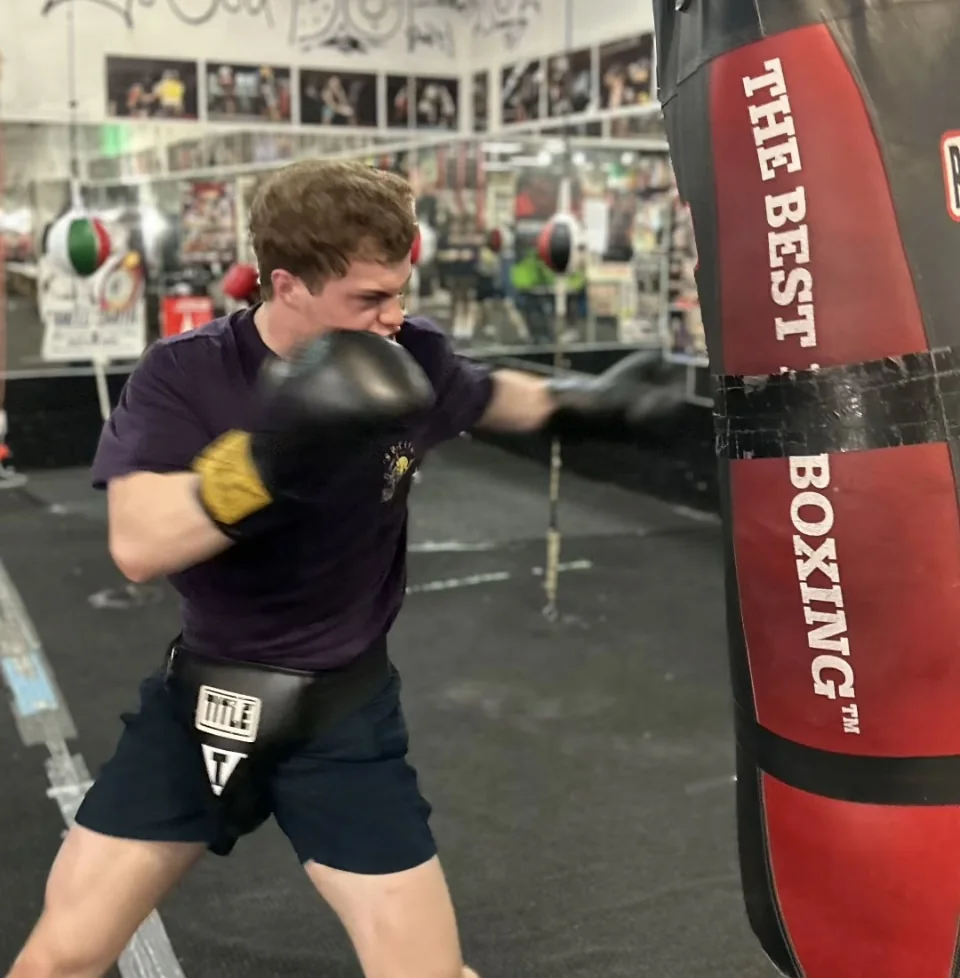
Choose the kind of boxing you want to learn
The useful answer to “Where should I take boxing classes in Atlanta?” starts with a second sentence: “I want to learn this kind of boxing.” Someone seeking an energetic evening on the bags, someone wanting to understand distance and defense, and someone planning an amateur bout can all find legitimate training. They do not necessarily need the same class. Start with your goal, then use the local shortlist below to ask specific questions.
A fitness class can teach punches while organizing the hour around conditioning. A technical session should give you time to understand stance, balance, the jab, returning your hands and moving after a combination. Competition training adds another set of demands: coach assessment, appropriate partners, supervised contact and preparation for a particular ruleset. These categories overlap. The question is which one a particular session actually delivers, rather than which label sounds most impressive.
There are clear local examples of the distinction. X3 Sports describes live sparring in its advanced program, while directing people who want a workout without sparring toward beginner classes. Georgia Tech's club separately describes fitness, training and competition teams. Those are useful starting points for an inquiry; neither description establishes the policy of every instructor or session elsewhere in Atlanta.
Be direct when booking: “I have never boxed, I want coached technique, and I do not want contact.” Alternatively, explain that you eventually want to compete and ask how beginners enter that pathway. An experienced coach should be able to describe the next suitable class without needing you to promise a future fight. You can appreciate the sport, improve your movement and learn its vocabulary while remaining a recreational participant.
This guide compares publicly described programs, checked on October 14, 2026. It is an editorial shortlist, not a claim that we visited every gym or tested every coach. A ring in the room does not make a class competitive; a polished studio does not mean nobody teaches technique. For equipment and general first-lesson preparation, use our beginner boxing class guide. The decision here is which Atlanta-area program deserves your first conversation and a repeatable place in your week.
Atlanta-area gyms worth putting on your shortlist
These providers give you different starting conversations. Their websites establish that relevant programs exist; they do not establish that a particular coach, price or opening is available on your chosen date. Use the distinctions to make a shortlist of two or three, then confirm a beginner session directly. The order below is not a ranking.
X3 Sports for a structured group-class starting point
X3 Sports describes a beginner-friendly mix of bag work, shadowboxing, mitt drills and conditioning. It advertises a free first class with gear supplied for that visit. Ask which branch and session offer the boxing instruction you want: the broader business also teaches other disciplines, and a kickboxing booking is not the same thing as a hands-only boxing class.
The practical attraction is an organized introduction with a separate advanced pathway. At your trial, check how the instructor handles someone who has not learned a stance. A loud, enjoyable workout can be a good fit, but if your goal is technique, you should also leave knowing what to change next time. Confirm that the specific class you can regularly attend provides that feedback.
Buckhead Fight Club and Decatur Boxing Club for a boxing-club environment
Buckhead Fight Club lists boxing fitness, advanced boxing, competition training, and children's and juniors' options, with Terri Moss identified as head coach. Its published address is 3293 Buford Highway NE, Suite 500, in Brookhaven. That distinction matters when planning a visit: use the actual address rather than inferring the neighborhood from the business name. Ask which session introduces complete beginners and whether open-gym access includes instruction.
Decatur Boxing Club, associated with Xavier “Bad Pads” Biggs, describes private lessons, adult classes, youth instruction and fight training. Its youth description separates an 11–17 group from a family format for ages 5–10. Parents should confirm the current age grouping and whether the advertised format is running before booking. An adult class should likewise be checked for your experience level rather than inferred from the presence of professional training.
These are useful conversations for someone who wants to learn within a boxing-club setting. Do not turn the presence of accomplished fighters into a promise about your own lesson. Watch whether recreational beginners receive clear corrections while more experienced members train nearby. A club can accommodate both, but your booking needs a named session and coach rather than a general assurance that everyone is welcome.

Sweet Science and Georgia Tech for different schedules and eligibility
Sweet Science Fitness Boxing Club describes its group program as noncontact, with beginner boxing and a separate Box and Burn format. That makes the class description useful for someone who wants punches and conditioning without assuming sparring. Confirm its current location, timetable, equipment requirements and full membership quotation; its public page explicitly allows prices and schedules to change.
Georgia Tech Boxing Club distinguishes fitness, training and competition teams and says it trains at Buckhead Fight Club. A campus club can provide a social route into boxing for eligible students, but its website is not evidence that every member of the public can buy a drop-in. Ask about eligibility, joining dates, dues and transport before treating it as an alternative to a commercial membership.
The comparison is about fit. One person needs a convenient introductory group, another wants a boxing-focused club, and a student may prefer a university community. No website can settle instructor fit for you. The strongest shortlist ends with a specific question for each provider rather than a collection of promotional claims.
Let your route decide which class you can repeat
Compare destinations at the level of an actual address and an actual lesson. “Atlanta boxing” can describe a business serving a broad region, rather than a gym close to your home or office. X3's West Midtown location publishes 1092 Huff Road NW, while its Inman Park page identifies 240 North Highland Avenue, Suite B2. Decatur Boxing Club publishes 137 New Street, Suite C, in Decatur. Buckhead Fight Club's address is in Brookhaven. Those are different route decisions, even when all appear in the same search.
Choose two weekly windows you could protect on an ordinary workweek. Then ask each gym whether a suitable beginner class actually falls inside them. Include time to arrive, change, get your hands wrapped if needed and return home. You do not need an optimistic travel estimate from a directory. You need a route you can repeat when the novelty of the first lesson has faded.
Opening hours are an especially easy trap. A facility may be open for private lessons, advanced members or independent training while your desired group class is not running. When checked for this guide, Buckhead Fight Club's public schedule page did not display a class timetable. That is a reason to contact the club, not a basis for inventing session times from its general hours. A current booking confirmation is more useful than a timetable screenshot without a date.
If you are choosing for a child, compare the whole family arrangement. Can a parent stay? Is the class grouped appropriately? Is the collection time workable? A family boxing session is also a different purchase from supervised junior competitive training. Ask the coach to name the program rather than using the broad word “youth” as if it described one standardized experience.
Finally, test the route when you attend your trial. Record the arrival difficulty alongside your impression of the coaching. A slightly less glamorous gym with a class you can attend twice a week may offer better practical value than a famous room you rarely reach. That is an attendance judgment, not a claim about which trainer is technically superior. Consistency only helps if the program also meets your learning goal.
Compare the whole bill before signing a membership
A trial price is not a monthly training budget
A free or discounted class buys a chance to evaluate a gym. It does not describe the cost of training there for a season. Atlanta-area providers use different arrangements, including drop-ins, limited weekly attendance, recurring memberships and private lessons. Sweet Science's public page, for example, separates enrollment from recurring package prices. Read those categories before comparing a headline offer with another provider's monthly quotation.
Ask for two totals: what you pay to start and what you pay in a normal later month. The first may include registration or required equipment. The second should reflect the sessions you will actually use. Do not assume a free first-class gear loan continues indefinitely. Equally, do not buy a complete kit before the coach tells you what that program requires. A bag-class equipment list and an eventual sparring requirement answer different questions.
Use simple arithmetic to keep “unlimited” in perspective. In a hypothetical plan costing $160 per month, eight attended classes work out at $20 each; four work out at $40. Those figures are an illustration, not a quoted Atlanta membership. The point is to compare your likely attendance rather than the maximum possible number of visits. A private lesson costs more per visit but may address a particular technical question; it should not be described as interchangeable with a full month of group coaching.
Ask for the complete terms in writing
Before paying, request the contract length, renewal arrangement, cancellation process and any notice period. Ask what happens to a missed class or an unused package, whether branch access is included, and whether the session you want requires a separate booking. If your goal includes competition, ask which additional memberships, coaching or event expenses could arise later. A transparent answer is useful even when that pathway is months away.
Compare instruction as carefully as access. “Open gym” can mean the ability to work independently; it does not automatically include a coach holding mitts or correcting your footwork. A class package may provide a stronger learning structure for a complete beginner than unrestricted access that assumes you already know what to practice. Have the staff explain what happens when you arrive, who supervises that time and how a new member asks for help.
Keep the quotation alongside your preferred days and location. The best-value choice is the one whose terms, coaching and route work together. You should be able to describe the purchase in an ordinary sentence: “These are my classes, this is what I pay, and this is how I stop or change the plan.”
Watch the coaching before deciding about contact
When you observe or try a class, listen for the explanation after the demonstration. “Jab, cross” names the punches; useful instruction helps a beginner understand where to stand, how far away to start, how to recover the hands and what to do with the feet afterward. You should not need to imitate the fastest person in the room without understanding the task. Ask a small technical question and notice whether the answer makes the next attempt clearer.
What useful beginner instruction looks like
Look for a coach who can reduce a complicated movement to a manageable correction. Perhaps your feet come together after you punch, or your rear hand drops during the jab. One clear cue followed by another supervised attempt is more useful than a stream of jargon. Balance, stance and movement are central subjects in Boxing Canada's beginner coaching reference; the observation here is whether the class gives those ideas enough attention for you to learn.
Defense should be part of the conversation even when nobody is hitting you. A combination can end with a return to position, a step away or another movement the coach explains. That helps distinguish purposeful boxing practice from simply emptying your arms into a bag. It does not mean every recreational class should simulate a bout, or that beginners should experiment with contact on their own.

Ask about sparring as a separate decision. Who decides readiness? How are partners matched? What equipment, registration and supervision are required? Can you remain in a noncontact program? A confident answer should describe a process, rather than treating willingness to get hit as proof of commitment. For organized amateur pathways, the USA Boxing membership information is a useful starting reference, alongside a direct discussion with the coach about the activities involved.
You can also make watching fights more purposeful. Pick a bout from the weekend boxing schedule and spend one round watching how a fighter resets after the jab instead of following only the biggest punch. Bring a question to your next lesson. A televised professional can illustrate a concept; the coach still needs to teach how it applies to your own level. Do not copy an advanced fighter's low hands or exchanges simply because they worked on screen.
Make a small shortlist and book the right first session
Start with one provider that fits your route, one that fits your preferred class style, and perhaps a third if student eligibility or a youth program changes the comparison. You do not need to tour the entire region before learning a jab. You do need a clear answer about the session you are reserving. A short message can establish more than an hour scrolling through reviews.
Try this inquiry: “I am a complete beginner looking for hands-only boxing instruction. I can attend on these two days. Which class should I book, is it noncontact, what must I bring, and what is the total cost after the trial?” Parents can add the child's age and ask which adult supervises the group. Someone interested in competing can ask how the club evaluates readiness, while making clear that this is an eventual goal rather than a request to spar immediately.
Get the arrival instructions from the booking confirmation. Comfortable training clothing, water and a way to secure your belongings are sensible discussion points, but the provider should explain its specific footwear, wrap and glove arrangements. Tell the coach about relevant limitations before the session so you can discuss an appropriate class; a website cannot evaluate individual suitability.
Afterward, write down three things: one skill you learned, one correction you understood, and whether you could attend that same session regularly. Add any unanswered question about contact or payment. These notes are more useful than deciding solely on how exhausted you feel. A demanding workout may be enjoyable, but exhaustion does not tell you whether the class taught what you came to learn.
For the first month, discuss a manageable attendance pattern with the coach and keep the learning goal small. You might want to maintain your stance while moving or recover your guard after a simple combination. Those are examples to discuss, not a promised timetable. Reassess whether the instruction, class atmosphere, route and costs still make sense after several visits. Atlanta offers several different ways into boxing; the right starting point is the one that gives you clear coaching and a practical reason to return.
Keep reading
Related boxing articles
Fight Guides
Why UNLV Moved a Football Game for Canelo–Crawford at Allegiant Stadium
By Boxing Schedule Editorial TeamFight Guides
Boxing Ringwalks and NFL Kickoffs: A Sports Viewing Guide
By Boxing Schedule Editorial TeamFight Guides
Join the conversation
Comments
Comments are reviewed before publication. Keep the discussion useful and focused on boxing.
Sign in with Google to comment
Your public comment shows your account name. Your email address is not displayed.
Commenting as
Loading comments…