What Is Boxing? Rules, Rounds and Scoring Explained
Understand legal punches, rounds, judging, knockdowns and results, then use those rules to follow a boxing broadcast.

Boxing Is a Contest of Legal Punching and Position
Boxing is a combat sport in which two fighters use legal punches to win individual rounds or end the contest before its scheduled finish. The fighters wear gloves, compete inside a ring and follow the instructions of a referee. A knockout is one route to victory, but a boxer who never seriously hurts an opponent can still win by consistently doing the better scoring work.
That last point explains why a fight can look different to two first-time viewers. One notices the boxer moving forward. Another notices the boxer landing the cleaner counterpunches. The important question is what the forward movement actually achieves. Pressure that creates accurate punches and closes escape routes has a purpose; walking through empty space while being hit is a different story.
What Counts as a Legal Punch?
A scoring punch must reach a legal target with a legal part of the glove. The head and the body above the belt are the familiar targets, but the back of the head, the neck and other prohibited areas are not fair game. A loud glove striking an opponent's arms is not the same thing as a clean punch reaching the target behind those arms.
The ABC regulatory guidelines list actions such as low blows, headbutts, kicks, elbows, hitting a downed opponent and holding with one hand while punching with the other as fouls. The referee enforces those restrictions. Brief inside fighting and deliberate holding can look similar from a distant camera, so watch what the referee orders and whether a fighter obeys the break.
Four punch names make most commentary easier to follow. A jab travels straight from the lead hand; a cross is the rear-hand straight. A hook curves toward its target, while an uppercut rises through a closer opening. Any of them can be aimed at the head or body. Names describe the mechanics, not an automatic hierarchy of scoring value.
Why Footwork and Defense Change the Fight
Imagine a fighter stepping outside a jab, landing a short right hand and leaving before the return hook. That exchange contains more than a punch. The step created an angle, the defense removed the opponent's first opportunity and the exit prevented an immediate response. This is why good boxing is often easier to understand when you watch the feet as well as the gloves.
A pressure fighter solves the same problem differently: narrowing the ring, threatening the body and persuading an opponent to stop moving long enough for a combination. Neither approach wins simply because it looks stylish or aggressive. Ask who makes the other fighter miss, who lands afterward and who can repeat that sequence. Use the tonight's boxing guide to choose a card, then follow those three questions through its opening bout.
Rounds Give Every Fight Its Structure
A round is a timed period of boxing, followed by a break in which each fighter returns to a corner. In the standard men's professional format, a round lasts three minutes and the rest period lasts one minute. The scheduled number of rounds appears in the bout information before the first bell. A four-round opening contest and a twelve-round main event are separate assignments even when they share the same card.
That structure changes the tactics. A boxer can spend part of an early round learning the opponent's reactions, but doing so risks surrendering the round. In a longer bout there may be time to recover ground later; in a short contest an early deficit leaves less room for adjustment. A slow opening is therefore a choice with a cost, rather than free preparation time.
The minute between rounds matters too. Watch the trainer's main instruction: perhaps to jab before moving, stop backing straight onto the ropes or target the body after a blocked head shot. In the next round, look for a change that answers the problem. A corner can deliver an excellent instruction, but it only matters competitively if the fighter can carry it out under pressure.
Professional and Olympic-Style Formats
Professional boxing includes shorter developmental bouts as well as longer contests. Four, six, eight and ten rounds are familiar formats, while twelve rounds is the usual men's world-title distance. Women's professional boxing commonly uses two-minute rounds, and its scheduled distances and any three-minute exceptions should be checked in the rules for the particular event. Do not assume that two bouts have the same clock because both are labelled championship fights.
Olympic-style boxing has its own competition framework. At Paris 2024, NBC's Olympic rules guide describes three rounds of three minutes and five scoring judges. Those specifics belong to that tournament. Youth, novice and other amateur competitions may use different age-based formats, equipment requirements and stopping rules.
The shorter tournament distance encourages immediate scoring work, but amateur boxing still involves real contact and can end by knockout or referee stoppage. Calling it a points contest does not mean punches are gentle or defense is optional. Likewise, professional boxing still rewards accuracy and technical control even when a broadcaster emphasizes power and endurance.
Before judging a fighter's pace, check the clock and the remaining rounds. An athlete taking measured steps in a twelve-round bout may be conserving energy and reading reactions; the same delay in the final round of a three-round tournament bout has a different consequence. The format gives the exchange its meaning.
Judges Score Rounds, Not a Single Running Fight
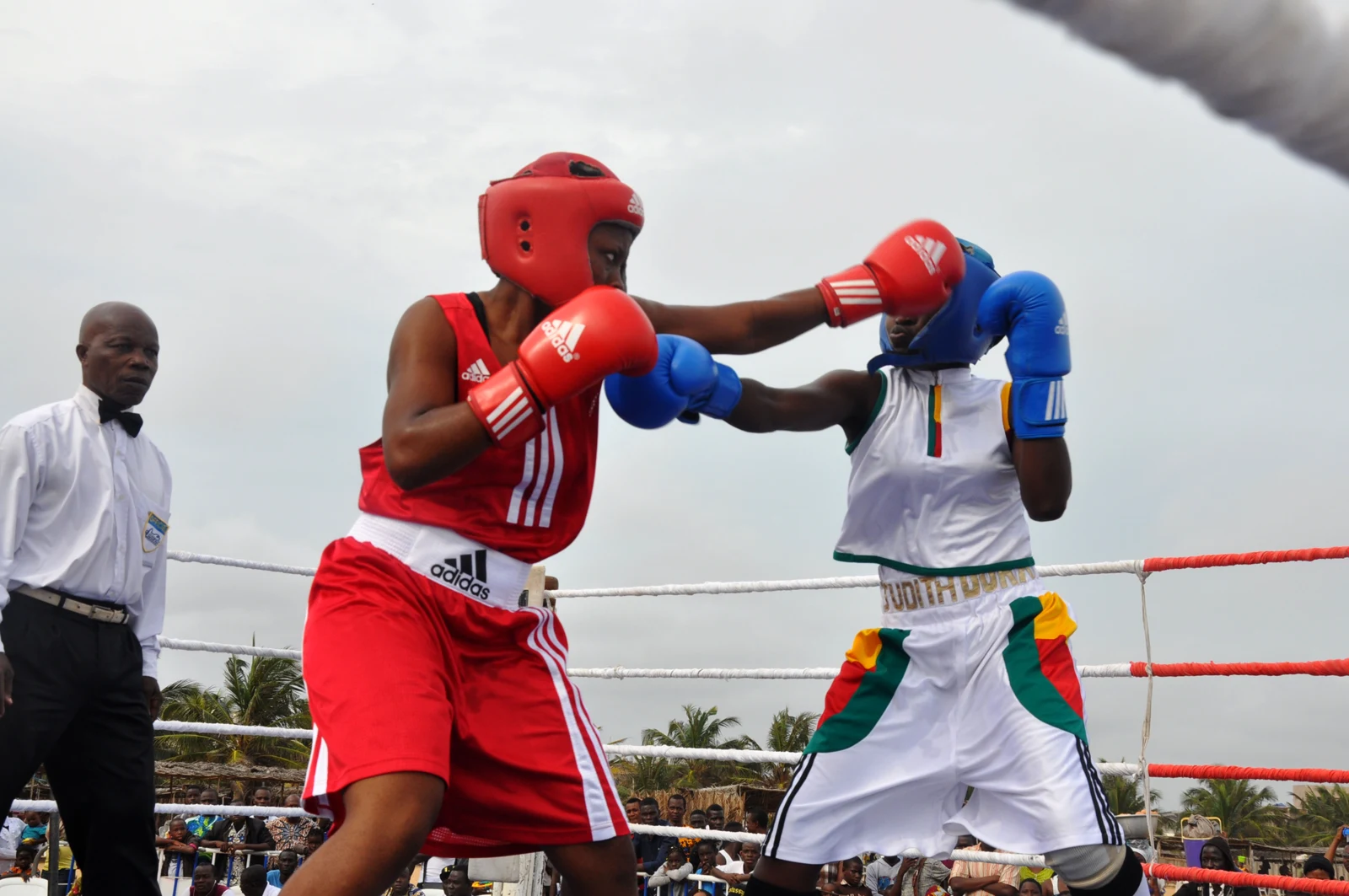
Professional judges make a separate assessment of each round. They do not wait until the final bell and choose the fighter who seemed more impressive across the evening. That distinction is central to boxing: several narrowly won rounds can outweigh one spectacular round won by the opponent. A broadcaster's running opinion and an official judge's ballot are also separate things.
The Ten-Point Must System
Under the ten-point must system, the round winner normally receives ten points and the other fighter receives nine or fewer, before any referee-ordered deduction. A standard winning round is therefore 10-9. Judges assess clean, effective punching alongside effective aggression, defense and control of the action. The WBO's judging guidance emphasizes that the whole round matters.
Start with the quality of the work that actually reaches the opponent. A fighter may throw more punches but land mostly on gloves. Another may throw less and connect accurately after making the first fighter miss. A forward-moving boxer deserves credit when that pressure produces useful offense; a retreating boxer deserves consideration when movement supports effective counters. Neither direction alone settles the round.
Knockdowns and Point Deductions
A knockdown commonly helps produce a 10-8 round, creating a two-point gap instead of the usual one. But do not turn that convention into a rule that erases every other exchange. Judging instructions require consideration of the full round, and unusual combinations of dominance and a knockdown can affect the final score. A strongly dominant round can also justify 10-8 without a knockdown under the applicable guidance.
A foul deduction is a separate adjustment ordered by the referee. Suppose a fighter has earned a 10-9 round through the action but loses one point for a foul. The adjusted totals become 9-9. That does not mean both fighters performed equally well; it means the sporting assessment and the penalty cancel numerically. Keep those two operations separate when following a scorecard.
A Simple Six-Round Scorecard
Consider a fictional six-round contest. Fighter A wins rounds one, two, four and six. Fighter B wins rounds three and five. If every round is 10-9, A's total is 58 and B's is 56. The 58-56 result reflects four rounds against two; it says nothing by itself about whether the individual exchanges were easy or difficult.
Now suppose A also scores a knockdown in round four and that round becomes 10-8. A still has 58, but B falls to 55. Change a different close round from A to B and the arithmetic changes again. This exercise explains why a decisive moment and a disputed narrow round can both influence the result.
Keep your own notes before hearing the commentators' verdict. Write a winner and one reason for each round, such as cleaner counters or effective body work. You will learn more from checking those reasons than from staring at a total punch statistic that combines the entire fight.
Knockouts, Stoppages and Decisions Mean Different Things
The result abbreviation tells you how the contest ended. It does not tell you everything about how competitive it was. A late stoppage can follow many difficult rounds, while a unanimous decision can contain several rounds that were genuinely close. Read the method together with the scheduled distance, the actual finishing round and any published scorecards.
KO, TKO and the Referee's Job
A knockout, or KO, commonly occurs when a fighter cannot resume after a knockdown before the count reaches ten. The boxer does not have to be unconscious. Someone who is awake but unable to rise or continue can lose by knockout. A referee may also intervene immediately when continuing the count would serve no useful protective purpose.
A technical knockout, or TKO, means the contest has been stopped because a fighter cannot safely continue. It can happen while the boxer remains standing. A sustained sequence of unanswered punches, an injury from legal blows or a corner's decision to withdraw its fighter can lead to a stoppage, with the exact procedure and recorded label governed by local rules.
The referee is the official controlling the bout. A ringside doctor can assess a problem and a corner can signal that its fighter should stop, but those roles do not make the doctor or trainer an additional scoring judge. Watch the official instruction and wait for the announced result rather than assuming every pause is a finished fight.
Exceptional endings require extra care. An injury caused by a legal punch may be treated differently from an injury caused by an accidental head clash. A technical decision can involve the scorecards before the scheduled final bell; a no contest is not simply a draw. The event's jurisdiction and completed-round requirement matter, so a single universal slogan will not cover every case.
UD, SD, MD and Draws
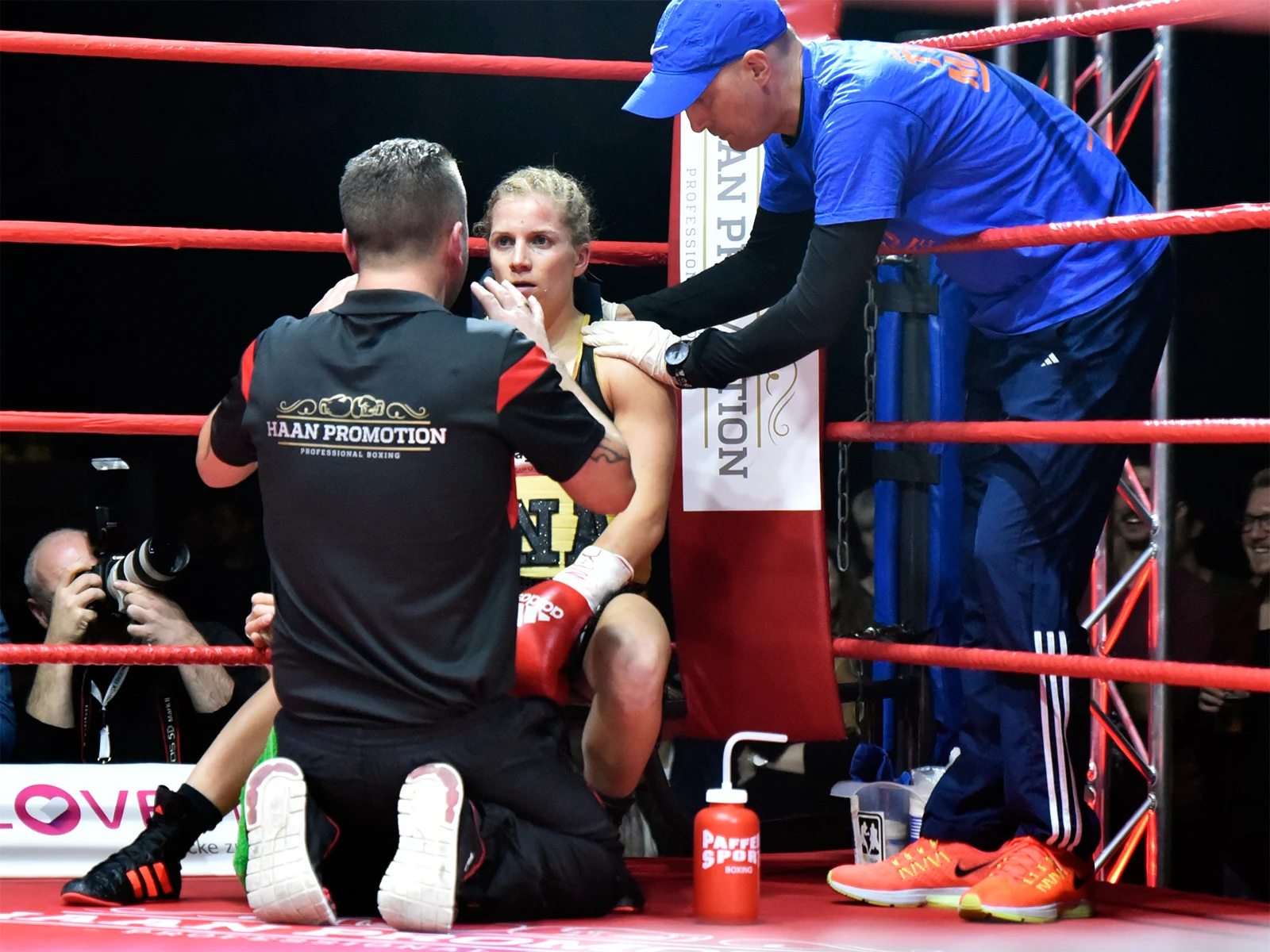
A unanimous decision, or UD, means all three judges select the same winner. A split decision, or SD, means two judges select one fighter and the third selects the other. A majority decision, or MD, means two judges select the winner and the third has an even score. These labels describe agreement between ballots, not the size of each individual score.
A draw can arise when all three ballots are even, when two are even, or when one selects each fighter and the third is even. One drawn ballot alongside two ballots for the same fighter produces a majority decision victory instead. Washington's professional rules set out these result distinctions clearly.
Read a Fight Card and Watch With Better Questions
A fight card is the whole event, while a bout is one contest between two boxers. The main event is the headline bout. The undercard contains the earlier fights, and a co-main event is another prominent contest near the top of the bill. Preliminary coverage may begin before the main broadcast, so a card listing and a television listing can legitimately show different starting points.
Read the scheduled rounds and weight class for the particular bout you are watching. The weight division describes the agreed competitive size category, not a promise that two fighters will look identical in the ring. Reach, stance and style can still differ substantially. A taller boxer may prefer long-range jabs, while a shorter opponent may try to get beneath that work and attack the body.
Titles provide context, but the names need care. WBA, WBC, IBF and WBO are separate major sanctioning organizations. A boxer holding multiple major titles in the same division is unified; holding all four major titles there is the modern four-belt meaning of undisputed. An interim title, a regional championship and a lineal claim describe different things. Do not let the number of belts visible at a press conference substitute for reading the actual stakes.
Before paying for a stream, confirm the broadcaster in your country, whether an existing subscription includes the event and whether a separate pay-per-view purchase is required. Our boxing television and streaming guide helps distinguish those options. An announced broadcast start is not automatically the time that the main-event fighters enter the ring. Earlier bouts can finish quickly or reach their full distance.
Once the bell rings, make your first task small. Follow the lead hand for a round: does the jab land, get blocked or make the opponent move? In the next round, follow what happens after a missed punch. Does the attacker regain balance, receive a counter or reach for a clinch? Then watch whether either corner's adjustment changes that pattern. These observations explain the contest more clearly than choosing a favorite based on the opening entrances.
At the end of each round, write a provisional winner and the strongest reason. You can leave a round marked close while still making a choice. When the official result arrives, compare the published method and ballots with your notes rather than treating the final score as a complete replay of the fight. The latest boxing results provide the recorded outcome and links to the card.
You do not need to recognize every technical detail immediately. Understanding the format, legal scoring work and result type already gives you a useful foundation. The next step is to watch one contest closely enough to explain why its rounds changed.
Keep reading
Related boxing articles
Fight Guides
Why UNLV Moved a Football Game for Canelo–Crawford at Allegiant Stadium
By Boxing Schedule Editorial TeamFight Guides
Boxing Ringwalks and NFL Kickoffs: A Sports Viewing Guide
By Boxing Schedule Editorial TeamFight Guides
Join the conversation
Comments
Comments are reviewed before publication. Keep the discussion useful and focused on boxing.
Sign in with Google to comment
Your public comment shows your account name. Your email address is not displayed.
Commenting as
Loading comments…