How to Choose the Best Boxing Gym Near You
Evaluate nearby boxing gyms by coaching, class structure, sparring culture, safety, equipment, total cost, contracts and fit for beginners, women and children.

Start With the Kind of Boxing You Actually Want
The best boxing gym near you is not the club with the most champions on the wall, the newest heavy bags or the highest map rating. It is the safest place that teaches the version of boxing you want, at times you can attend often enough to improve. Before comparing businesses, write down four things: your main goal, whether you want contact, the days you can train and the longest commute you will realistically repeat after a tiring workday.
Technical Boxing, Fitness Boxing or Competition Training?
A non-contact fitness-boxing studio usually builds classes around bag combinations, intervals and strength work. It can be an excellent choice for conditioning and stress relief, provided it describes the product honestly. A technical boxing program spends more time on stance, footwork, defense, punch mechanics, partner drills and tactical decisions. A competition club adds supervised sparring, registration and bout preparation. Hybrid gyms may offer all three on different schedules.
None of those labels automatically means “good.” A competition team can be poorly managed; a fitness studio can be superb at delivering a safe workout. The mismatch is the problem. Someone who wants to learn to slip, counter and eventually spar will outgrow a bag-only circuit. Someone who never wants contact should not pay for a culture that treats sparring as the only proof of seriousness. Ask the gym to name the exact pathway from introductory class to technical drills and, if desired, controlled sparring.
Location and Schedule Are Training Variables
Boxing skill is accumulated through repetition. A beautiful facility 45 minutes away is less useful than a sound gym you can reach three evenings a week. Compare door-to-door travel at the actual class time, not on a quiet Sunday. Check parking or transit, the time needed to wrap your hands, and whether “open gym” includes coaching or merely access to equipment.
Read the timetable closely. Some traditional clubs devote prime hours to active fighters and offer beginners only two narrow windows. Others run structured fundamentals several times a day. Neither model is dishonest, but only one may fit your life. Rank each candidate by the number of sessions you can attend for the next three months, not by the number printed on its weekly schedule.
Your first filter
Keep a gym only if it matches your desired contact level, offers at least two realistic weekly sessions and explains what a new member learns during the first month. This removes impressive but unusable options before price or sales pressure enters the decision.
Verify the Coaches, Not Just the Gym's Reputation
A gym's reputation may belong to an owner, a famous alumnus or a coach who no longer teaches the class you can attend. Ask who will actually lead your sessions, then evaluate that person. Credentials establish a baseline; observation tells you whether the baseline becomes useful coaching.
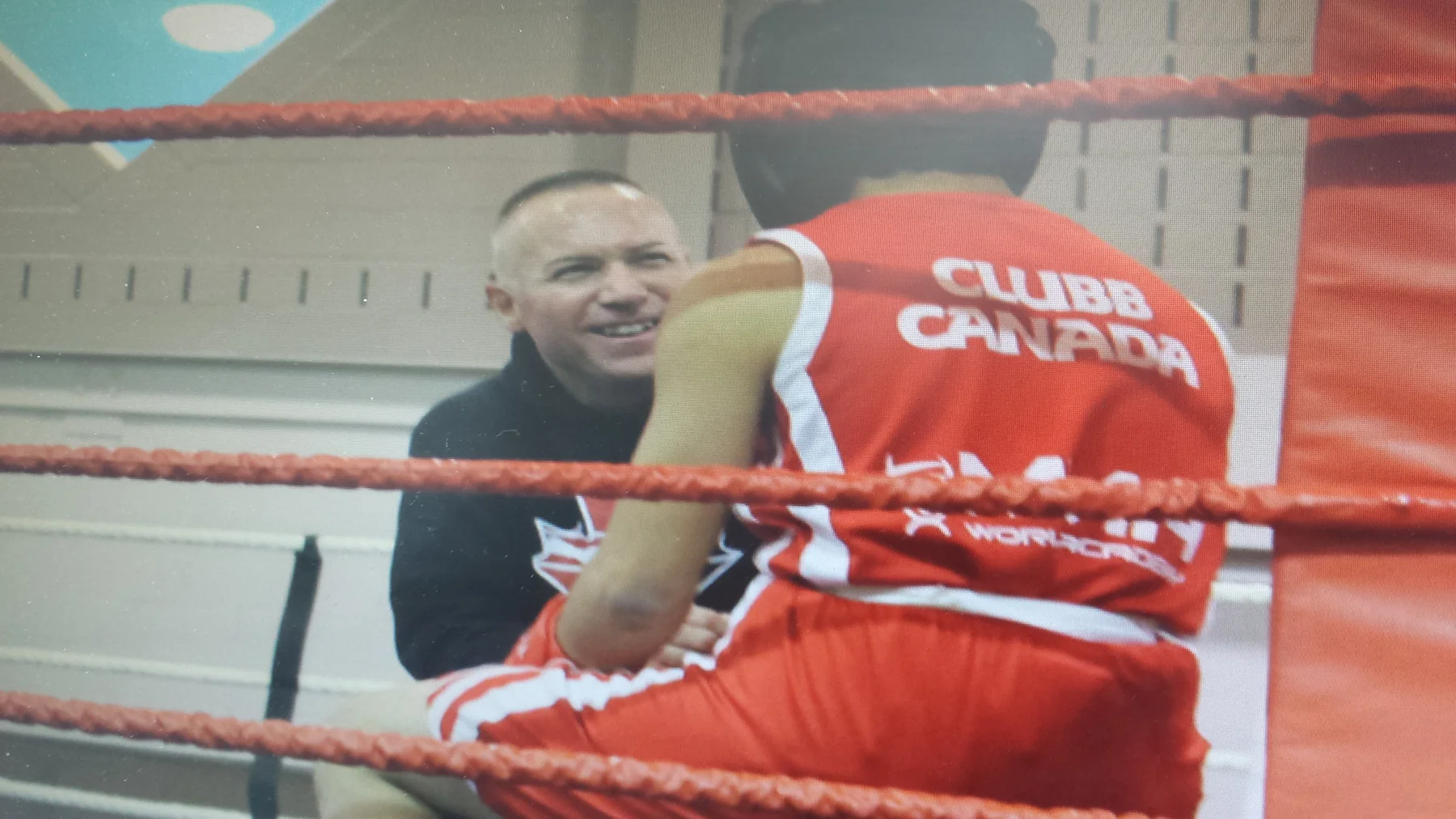
What USA Boxing Credentials Can Tell You
For a US gym that develops amateur competitors, current USA Boxing coach status is a meaningful question. USA Boxing's pathway covers fundamentals, conditioning, rules, risk management and athlete development, with higher levels reflecting additional competition and clinic experience. Its non-athlete membership system also includes SafeSport requirements intended to help prevent and address misconduct.
Ask for the coach's current status and verify it through the governing body when competition or youth training matters to you. Do not stop at a logo on the door. Certification shows that someone completed a defined process; it does not guarantee patience, technical clarity or equal attention. A non-contact fitness studio may reasonably use personal-training or group-fitness credentials instead, but it should state honestly that it is not preparing amateur boxers for sanctioned bouts.
Watch How a Coach Corrects Ordinary Members
During a trial, listen for corrections with a cause and a next action. “Keep your hands up” is incomplete if the coach never explains that the rear hand drops during the jab. “More power” is poor advice when the member is reaching beyond the front knee. Better instruction might shorten the combination, reset the feet, change the angle and then ask the boxer to repeat it slowly.
Also notice who receives that attention. If every useful minute goes to two active fighters while beginners copy a circuit from the back, you have learned how your membership will be treated. A busy coach cannot correct every punch, but the class should include purposeful observation, feedback and a chance to ask a question. Volume and exhaustion are not substitutes for teaching.
Competition Experience Is Evidence, Not the Whole Answer
A coach who has worked corners, prepared fighters and navigated amateur events understands pressures that cannot be learned from pad routines alone. A gym with active, properly matched boxers also demonstrates that its program can move athletes from drills to competition. Those are strong signals if fighting is your goal.
They remain only part of the decision. Great fighters sometimes teach by instinct and struggle to explain what they do. An excellent developmental coach can break a stance problem into manageable steps without owning a celebrated professional record. Ask one revealing question: “How would you progress someone with my experience and goal over the first eight weeks?” A credible answer names skills, class levels and checkpoints. A sales answer promises transformation without a curriculum.
Audit the Trial Class Like a Boxer
A trial class is where a gym's sales pitch meets its daily habits. Arrive early enough to see the previous session end, then stay long enough to watch how the room resets. You are not looking for spotless boutique décor. You are looking for an organized training floor, deliberate instruction and people who can work hard without losing control. A worn heavy bag is not automatically a problem; a split bag with exposed filling, loose fixtures or athletes crossing live work areas is.
Class Structure and Coach-to-Boxer Attention
A coherent beginner class normally has a visible progression: preparation, a technical idea, controlled practice, conditioning and a cooldown or recap. The exact recipe can vary, but each phase should serve the lesson. If the coach teaches a jab, for example, later drills should reinforce stance, recovery and distance instead of becoming an unrelated exhaustion contest.
Do not fixate on a universal coach-to-student ratio. Ten experienced athletes drilling a familiar combination may need less intervention than four first-timers learning to stand. Instead, count meaningful corrections. Does the coach notice a dropped rear hand, explain why it matters, and check that the boxer can make the change? Does attention reach the quiet newcomer as well as the gym's best competitor? Watching elite corners on boxing broadcasts can sharpen your ear for concise instruction, but the standard in a local class is simpler: you should receive specific help that makes the next repetition safer or better.
Equipment, Cleanliness and Emergency Readiness
Inspect the equipment you will actually touch. Shared gloves and headgear should be dry, intact and cleaned between users; wraps should not be communal. Mats and ring canvas need routine cleaning, especially where athletes stretch or perform floor work. Bag chains, wall mounts and ring ropes should look secure. Ask where the first-aid supplies are and what staff do if someone is hurt. A calm, direct answer is more reassuring than vague claims that injuries never happen.
The USA Boxing rule-book hub maintains current national rules and a certified-equipment list, useful reference points for affiliated competition programs. That does not turn a visitor into an inspector, and affiliation alone is not a quality guarantee. It does show that equipment and operating procedures are real safety questions, not fussy extras.
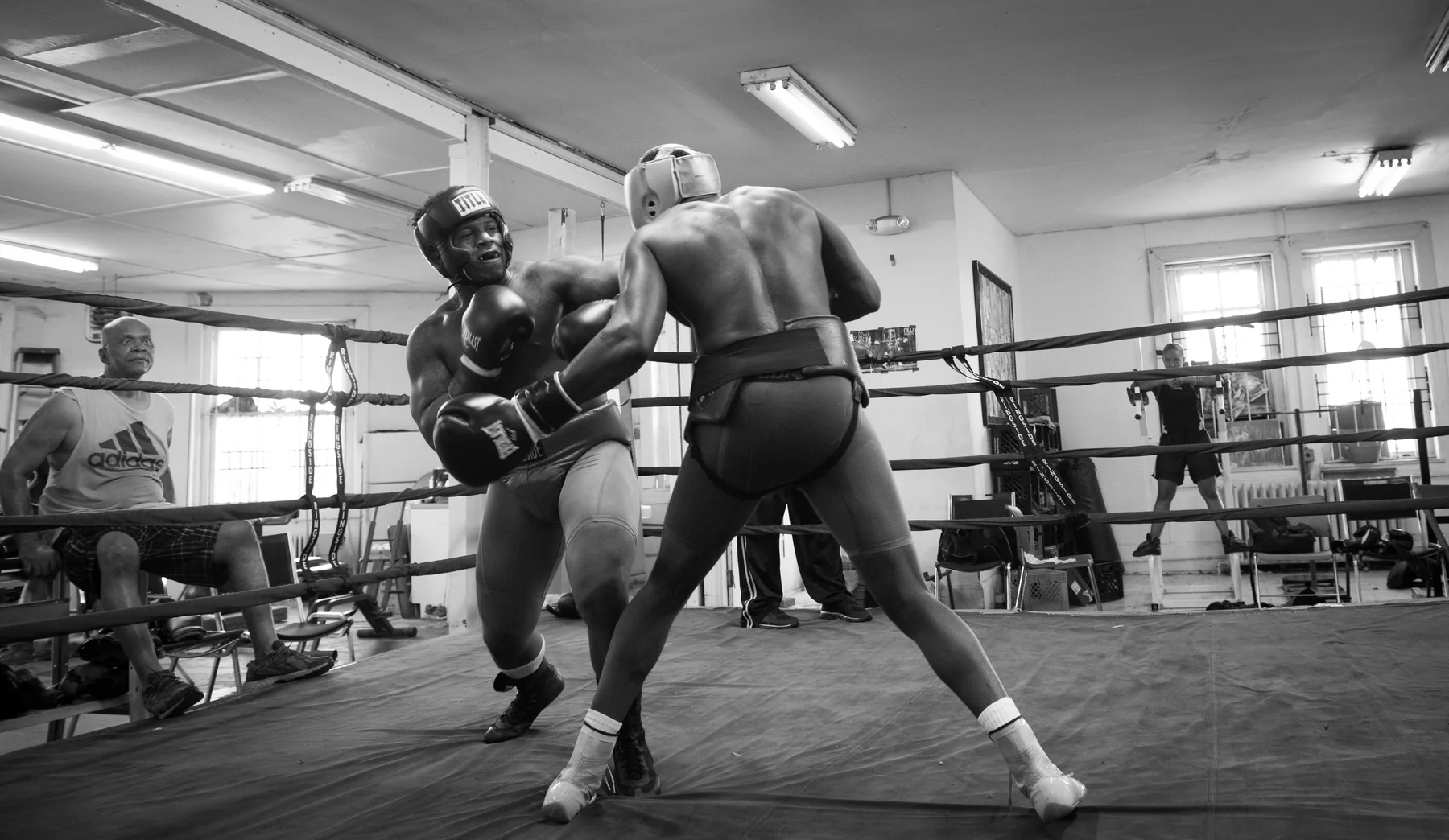
Sparring Culture Is the Clearest Safety Test
Ask when members begin sparring, who approves them and how partners are matched. A responsible answer refers to demonstrated fundamentals, defensive readiness, experience, size, agreed intensity and active coach supervision. USA Boxing event guidance likewise treats age, weight, experience, round count, glove size, protective equipment and coach control as decisions to settle before rounds begin. Those are useful principles even if you never plan to compete.
A beginner should not be shamed into live rounds on day one. “Technical” or “light” sparring is still contact, and its value depends on both partners honoring the assignment. Watch what happens after one boxer lands too hard: a healthy gym corrects the pace immediately, changes the matchup or stops the round. Leave if coaches celebrate mismatches, ignore dazed athletes, use sparring as initiation, or let anger set the intensity. The best gym is not the one that promises you will never feel uncomfortable. It is the one that makes challenge purposeful, progressive and supervised.
Calculate the Real Cost Before You Sign
Gym prices make sense only in relation to access, attendance and commitment. Before signing, ask for the complete price in writing and build a 90-day estimate. Include dues, enrollment charges, required gear and any fees you are likely to pay. A low promotional rate can still be the expensive choice if it rolls into a longer agreement you cannot use.
Compare Cost Per Class, Not the Headline Monthly Price
Start with your real calendar. If you can attend eight times a month, divide the full monthly cost by eight—not by the 25 classes an “unlimited” plan theoretically permits. Then compare that result with a class pack or drop-in rate. Include booking restrictions: unlimited access has little value if beginner sessions are full or occur while you are at work.
Compare like with like. Open-gym access means independent practice, while a coached class includes instruction; a personal session is a separate product again. Current gym menus show all three sold in different combinations. Ask whether mitt work, strength facilities, specialty classes or team practices are included. The winning option is the least expensive plan that reliably puts you in the right coached session, not simply the smallest number on the page.
Read Cancellation, Freeze and Renewal Terms
“Month to month” and “cancel anytime” may still require advance notice through a specified form, email or in-person request. Read the agreement for the initial term, automatic renewal, billing date, price after a trial, cancellation channel, notice period, refunds, freeze rules and late-cancel charges. Some published boxing-gym agreements require 30 days' notice and charge during a freeze, illustrating why the signed language matters more than a sales summary.
The FTC's subscription advice recommends understanding renewal and cancellation terms, keeping proof of cancellation and checking statements afterward. Take a copy or photograph of what you sign and save confirmation messages. This is sensible recordkeeping, not a prediction that a gym will cause a dispute.
Budget for Gloves, Wraps and Optional Coaching
Ask what the trial includes before buying equipment. Many gyms lend or rent gloves for an introductory class, but hand wraps are personal, washable items worth owning. If you continue, ask the coach which glove size and type suit the program before ordering. Sparring headgear, a mouthguard, groin or chest protection and competition registration belong in a later budget only if that path applies to you.
Finally, price private coaching honestly. One-to-one sessions can accelerate technical feedback, yet they should not rescue a group program that never teaches you. Record optional sessions, equipment rental, parking, childcare and travel alongside dues. Once every cost is visible, compare the two or three plans using your expected attendance. That simple calculation protects both your budget and the consistency on which boxing progress depends.
Check Whether the Gym Fits You, Not an Imaginary Fighter
The right question is not whether you look like the gym's toughest boxer. It is whether the program has a credible route from your current ability to your goal. A gym can be excellent and still be wrong for your schedule, preferred level of contact or learning needs. Judge the experience you will receive, not the identity you think a “real boxer” must perform.
Beginners Need a Progression, Not a Boot Camp Test
Ask the coach what a new member learns in the first month and what must be demonstrated before more complex partner work begins. A useful answer moves through stance, balance, straight punches, recovery, footwork and basic defense, then adds speed and uncertainty gradually. The plan need not have colored levels or formal tests, but it should have observable milestones.
Hard conditioning can belong in boxing, yet exhaustion is not proof of instruction. If newcomers simply chase the regular class while nobody corrects them, the gym is testing survival rather than teaching. You also should not need to “get fit first” to deserve coaching. A strong beginner program scales rounds and pace without reducing the technical standard.
Women and Smaller Boxers Need Real Training Partners
Look beyond a website's welcome message. During the trial, notice whether women receive technical attention, take serious roles in drills and have realistic routes into competition if they want one. A women-only class may be exactly the environment you prefer, but its label is not a substitute for good coaching. Conversely, a mixed class can work well when the coach actively manages pairing and intensity.
Smaller athletes do not need an identical twin for every exercise. Mitt work, rehearsed defense and timing drills can cross size differences when roles and power are controlled. Contact work is different: ask how the gym finds suitable partners or arranges rounds with other clubs. A coach who repeatedly pairs one light newcomer with a much larger aggressive athlete is showing that convenience outranks development.
Parents Should Ask Youth-Specific Questions
A youth class is not merely the adult workout shortened. Ask about age bands, coach screening, adult-to-child interaction rules, pickup procedures, parent viewing, bullying policy, concussion response and how concerns are reported. The U.S. Center for SafeSport's parent checklist specifically prompts questions about coaching education, physical safety, positive coaching, misconduct and reporting.
Clarify contact in plain language. USA Boxing describes its Junior Fitness membership for ages 8–17 as strictly non-contact, so “train like a boxer” does not necessarily mean sparring. If a child will enter an athlete pathway, ask what readiness, membership and protective requirements apply. Finally, listen to the child after the trial. Fun, clear boundaries and the confidence to tell a coach when something feels wrong are meaningful evidence of fit.
Make the Decision With a Two-Visit Scorecard
Visit each finalist twice if possible. Make one visit a beginner class and the other the session you would normally attend. A promotional open house or unusually quiet afternoon can distort the picture; an ordinary weeknight shows the coaching load, partner pool and parking reality. Score the gym immediately afterward, before atmosphere edits your memory.
Score Safety, Coaching, Fit and Attendance
Use 100 points, weighted toward what matters in boxing. This is a decision aid, not an official certification.
| Category | Points | What earns them |
|---|---|---|
| Safety | 30 | Controlled contact, sensible matching, maintained equipment, clean space and clear emergency answers |
| Coaching | 25 | Specific corrections, coherent class design and attention beyond the best fighters |
| Personal fit | 20 | A credible path for your goal, level and preferred amount of contact |
| Attendance | 15 | Relevant classes you can reach at least twice in a normal week |
| Price and terms | 10 | Transparent total cost and an agreement you understand |
Write one piece of evidence beside every score. “Coach fixed my stance twice” is useful; “good vibe” is not enough. Verify claimed USA Boxing registration through the official club finder. Registration is evidence of affiliation, not a guarantee that the gym is best for you.
Red Flags That Should End the Trial
Do not average away a serious safety failure. Leave if staff pressure an unprepared newcomer to spar, tolerate uncontrolled aggression, ignore a boxer who appears hurt, repeatedly create obvious mismatches, or cannot stop the room on command. Unsafe mounting hardware, obstructed floors and no intelligible emergency response are also vetoes, not deductions of two or three points.
The same applies to abusive or discriminatory coaching, hidden contract terms, high-pressure same-day signing and youth programs that cannot explain supervision or reporting rules. A demanding coach is not automatically abusive, and an old building is not automatically unsafe. The line is whether challenge is purposeful, boundaries are enforced and direct questions receive direct answers.
Choose the highest-scoring gym that clears every veto and fits your real week. Book the first month around two sustainable sessions, then reassess after four weeks. Between classes, follow this weekend's boxing with a coach's eye and use our boxing guides to build context. The best boxing gym near you is ultimately the safe room where skilled people teach you clearly—and where you keep showing up.
Keep reading
Related boxing articles
Fight Guides
Why UNLV Moved a Football Game for Canelo–Crawford at Allegiant Stadium
By Boxing Schedule Editorial TeamFight Guides
Boxing Ringwalks and NFL Kickoffs: A Sports Viewing Guide
By Boxing Schedule Editorial TeamFight Guides
Join the conversation
Comments
Comments are reviewed before publication. Keep the discussion useful and focused on boxing.
Sign in with Google to comment
Your public comment shows your account name. Your email address is not displayed.
Commenting as
Loading comments…