Heavyweight Boxing Champions List: Lineal History, Belts and Undisputed Eras
Follow heavyweight championship history from Sullivan to Usyk, with a chronological lineal list, repeated reigns, vacancies and the distinction between belts and undisputed recognition.
How to Read a Heavyweight Champions List
A heavyweight champions list needs a counting rule before it needs a first name. Some lists follow the recognized succession of champions, while others include every holder of a WBA, WBC, IBF or WBO title. Both can be useful, but they answer different questions and contain different names.
This guide uses a lineal-history spine: the sequence commonly described as the champion who defeated the champion, with a new starting point required after a genuine vacancy. The era tables summarize the chronology through Oleksandr Usyk's 2024 title acquisition. Repeat reigns appear separately. They are not a live inventory of every current organizational belt.
- World titleholder: a boxer recognized by a particular championship organization. More than one can exist in the division.
- Unified champion: a boxer holding multiple major organizational titles at the same weight.
- Undisputed champion: the holder of all major titles recognized for the relevant era. The modern four-body standard refers to the WBA, WBC, IBF and WBO.
- Lineal champion: a historical succession claim whose continuity and vacancy rules must be identified.
The distinction explains an omission that otherwise looks startling. A boxer can be an important world titleholder without appearing in a particular lineal sequence. Absence from the tables does not mean Anthony Joshua, Deontay Wilder or Vitali Klitschko never held world championships. It means organizational title histories are broader than this chosen succession.
Lineal history also contains disagreements. BoxRec's explanation notes that there is no single canonical method for every starting point and vacancy. Retirement, inactivity and a return to competition can complicate the apparently simple instruction to follow the winner.
The tables below therefore retain important qualifications. Sullivan's starting date is disputed, and the Ali–Frazier transition is shown with both 1970 and 1971 recognition conventions. Elsewhere, a lineal acquisition can occur on a different date from a unification. Reading the explanatory paragraphs alongside the names prevents a neat timeline from making a stronger claim than the historical evidence supports.
Use this sequence to navigate the division's history, then open individual title and bout accounts for deeper questions. A championship date tells you when recognition changed; it does not by itself explain the quality of the performance, how the challengers were selected or what happened to every belt.
Sullivan to Louis: The Championship Before Modern Belts
The early sequence is easier to follow when the gaps remain visible. This table summarizes the dates in BoxRec's lineal chronology; it does not imply an uninterrupted chain of champions losing directly to their successors. Retirement could leave the championship vacant.
| Champion | Reign years in this chronology |
|---|---|
| John L. Sullivan | 1885–1892; origin debated |
| James J. Corbett | 1892–1897 |
| Bob Fitzsimmons | 1897–1899 |
| James J. Jeffries | 1899–1905 |
| Marvin Hart | 1905–1906 |
| Tommy Burns | 1906–1908 |
| Jack Johnson | 1908–1915 |
| Jess Willard | 1915–1919 |
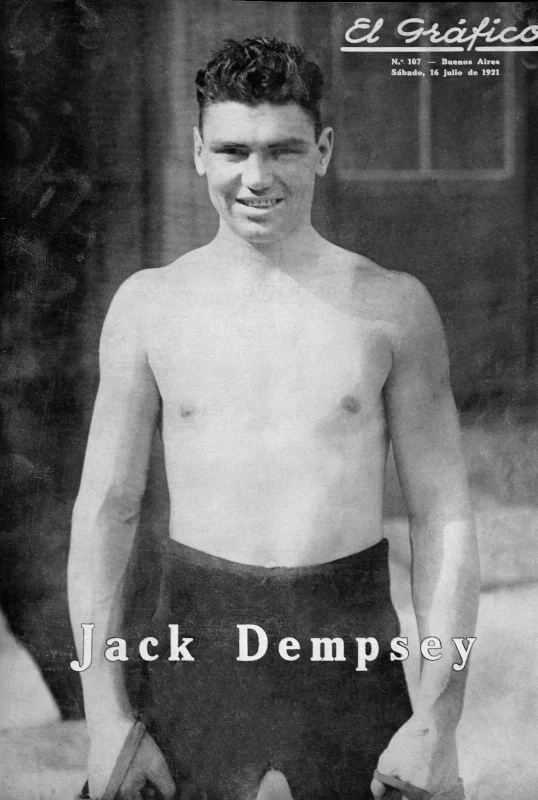
| Jack Dempsey | 1919–1926 |
| Gene Tunney | 1926–1928 |
| Max Schmeling | 1930–1932 |
| Jack Sharkey | 1932–1933 |
| Primo Carnera | 1933–1934 |
| Max Baer | 1934–1935 |
| James J. Braddock | 1935–1937 |
| Joe Louis | 1937–1949 |
Why Sullivan's Starting Date Is Debated
Sullivan bridges bare-knuckle and gloved championship history. His 1882 victory over Paddy Ryan belongs to the bare-knuckle story. BoxRec's gloved lineage instead begins with the 1885 Dominick McCaffrey contest, while other historians emphasize the uncertainty of calling that the inaugural modern championship. His 1892 defeat by Corbett supplies the clear transfer that follows.
The Lineal Boxing Champion historical account explores that uncertainty rather than treating one starting date as beyond discussion. The distinction matters because a list can otherwise make today's categories look as though they were already formally settled in the nineteenth century.
The retirement problem appears early too. Jeffries' departure created a vacancy before Hart's reign; Tunney's retirement produced another gap before Schmeling. A successor did not need to have beaten the retired champion. Someone had to establish a new point of recognition, and the grounds for doing so belong in the history.
Johnson's Breakthrough and Louis' Long Reign
Johnson defeated Burns in 1908 to become the first Black world heavyweight champion. His place in the sequence also demands acknowledgment of the racial barriers that prevented earlier challengers from receiving equal opportunities. A championship list records recognized holders; it cannot by itself show every outstanding boxer denied a chance to enter that line.
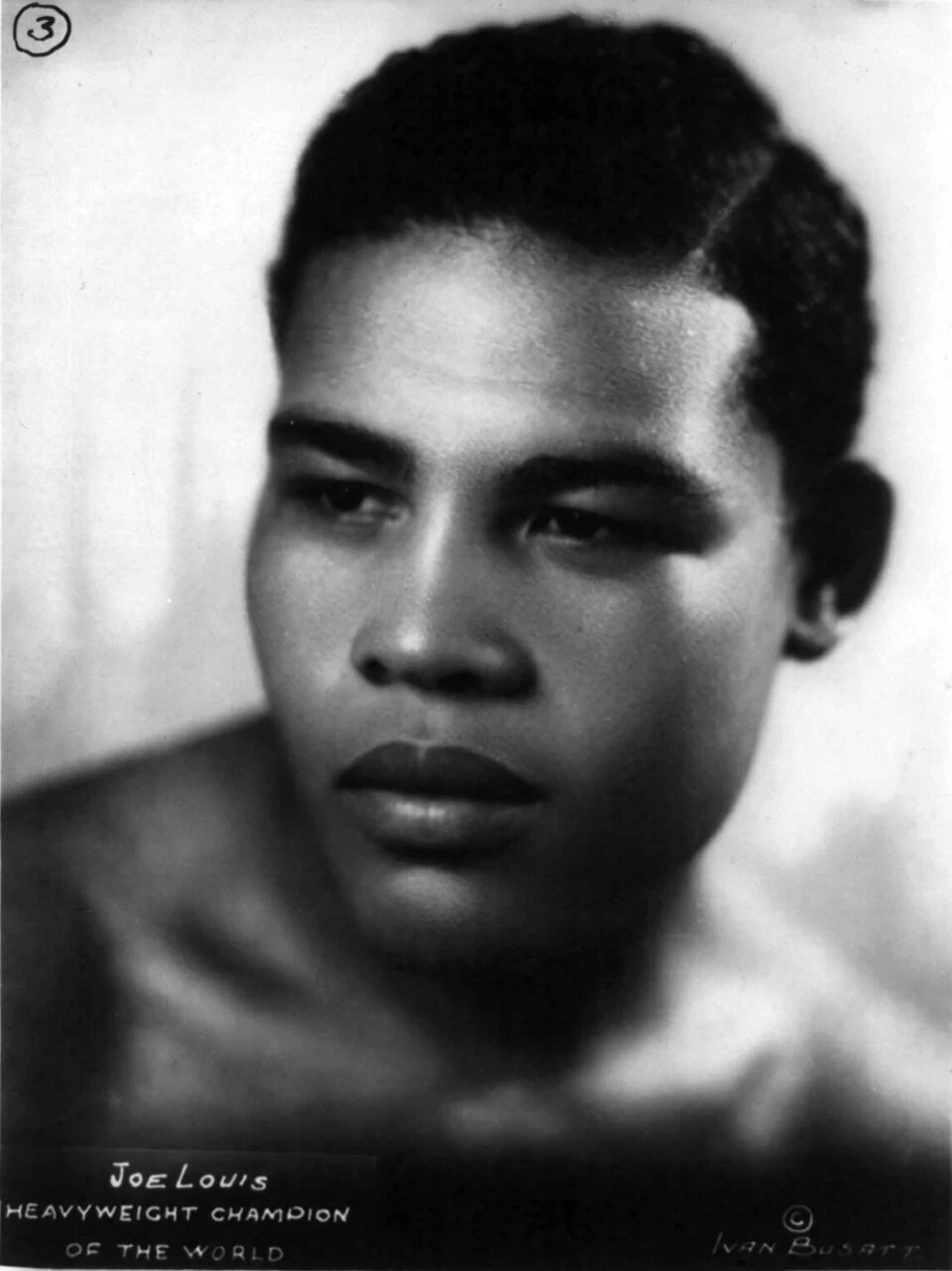
Louis supplied a different kind of landmark: sustained championship success. Guinness credits him with 25 consecutive successful heavyweight defenses from 1937 to 1948. He won the title from Braddock in 1937, so the acquisition and the defenses are separate counts. His lineal reign continued until retirement in 1949 under the table's convention.
Read years and activity together. A long reign can include many successful defenses or extended inactivity; a short reign can still contain an important title-changing performance. The table is the route through the history, while those distinctions explain the significance of the names.
Charles to Ali: Vacancies, Rematches and Three Reigns
The championship after Louis contains several returns by former champions. Read each row as a separate reign, rather than counting every appearance as a different person. Patterson's return after losing to Johansson and Ali's two returns are essential parts of the sequence.
| Champion | Reign years |
|---|---|
| Ezzard Charles | 1949–1951 |
| Jersey Joe Walcott | 1951–1952 |
| Rocky Marciano | 1952–1956 |
| Floyd Patterson | 1956–1959 |
| Ingemar Johansson | 1959–1960 |
| Floyd Patterson, second reign | 1960–1962 |
| Sonny Liston | 1962–1964 |
| Muhammad Ali, first reign | 1964–1970 or 1971, depending on recognition |
| Joe Frazier | 1970 or 1971–1973 |
| George Foreman | 1973–1974 |
| Muhammad Ali, second reign | 1974–February 1978 |
| Leon Spinks | February–September 1978 |
| Muhammad Ali, third reign | September 1978–1979 |
Vacancies still matter. Charles followed Louis' retirement; Patterson followed Marciano's retirement. Neither acquisition requires the fiction that the departing champion lost in the ring. By contrast, Walcott taking the title from Charles and Marciano taking it from Walcott are direct competitive transfers. A useful history preserves both routes into recognition.
Ali and Frazier Expose the Difference Between Belts and Lineage
Ali's first reign demonstrates why an organizational list and a lineal list can disagree. He beat Liston in 1964, then lost organizational recognition after refusing military induction in 1967. That administrative action did not involve another heavyweight beating him. Historians therefore have to explain when, and on what grounds, they consider the sporting championship to have passed.
BoxRec's lineal table ends Ali's first reign in February 1970 and begins Frazier's with the Jimmy Ellis victory later that month. Lineal Boxing Champion retains Ali until Frazier beat him in March 1971. The former approach recognizes the intervening vacancy and unification; the latter emphasizes a direct victory over the returning champion. These are declared recognition policies, so this table shows both dates instead of hiding the disagreement.
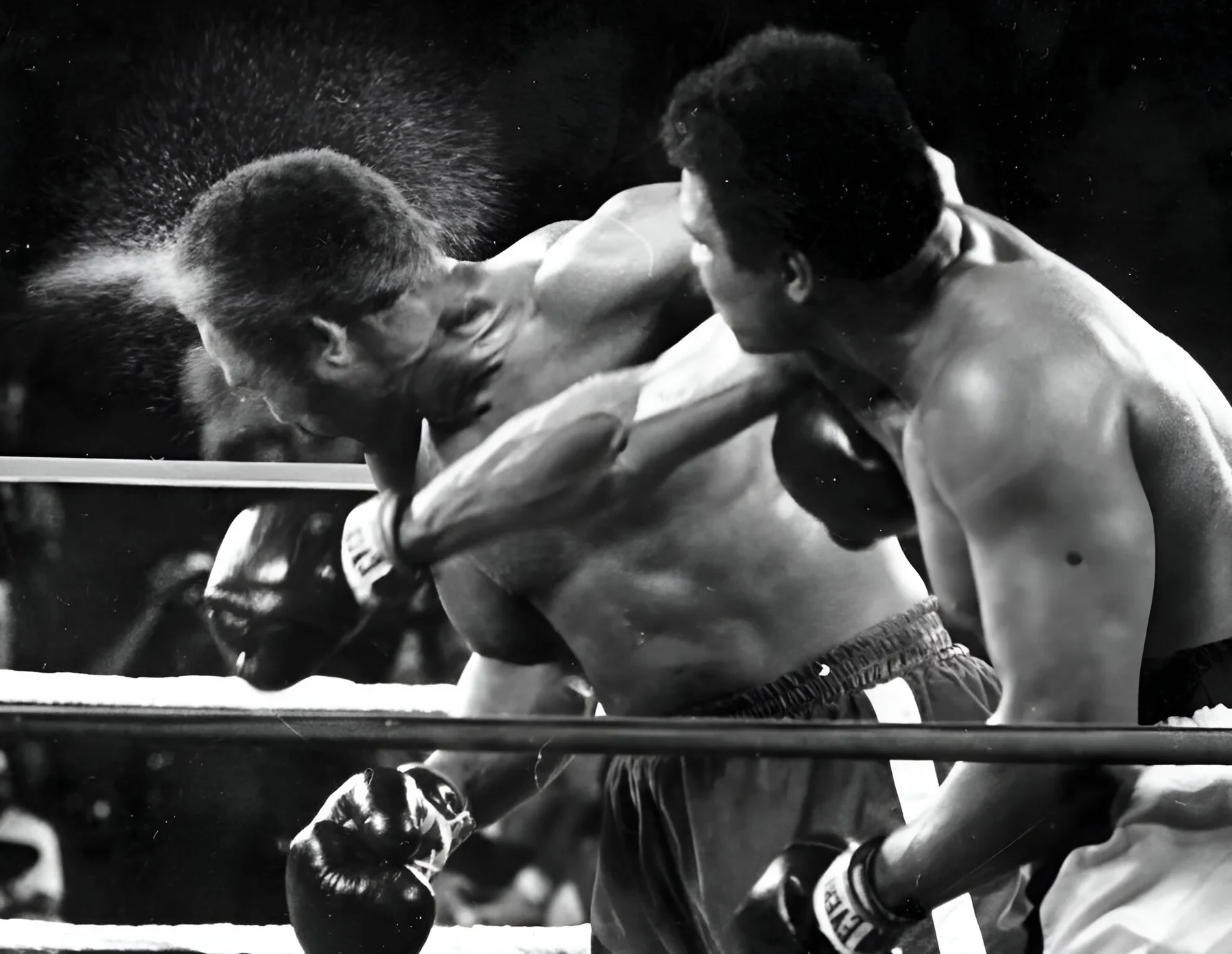
The subsequent transfers are easier to follow: Foreman defeated Frazier, then Ali stopped Foreman in the eighth round in 1974. Ali's second reign ended against Leon Spinks in February 1978. Winning their September rematch gave Ali a third reign before his 1979 retirement. Ali's career chronology supplies the individual results behind those repeated entries.
Leon Spinks should not be confused with Michael Spinks, who appears in the next era. Repeated surnames and repeated reigns make a simple names-only list particularly misleading. Keep the opponent, year and reason for the transition beside each name, and the sequence becomes much easier to use while watching historical fights.
Holmes to Lewis: The Crown Splits Across Organizations
The modern alphabet belts make this period look more complicated than the lineal sequence itself. A boxer could hold an organization's championship without beating the recognized lineal champion. Conversely, losing or relinquishing an organization's belt did not automatically remove him from a historical lineage.
| Champion | Lineal reign years in this chronology |
|---|---|
| Larry Holmes | 1980–1985 |
| Michael Spinks | 1985–1988 |
| Mike Tyson | 1988–1990 |
| James “Buster” Douglas | February–October 1990 |
| Evander Holyfield | 1990–1992 |
| Riddick Bowe | 1992–1993 |
| Evander Holyfield, second reign | 1993–April 1994 |
| Michael Moorer | April–November 1994 |
| George Foreman, second reign | 1994–1997 |
| Shannon Briggs | 1997–1998 |
| Lennox Lewis | 1998–April 2001 |
| Hasim Rahman | April–November 2001 |
| Lennox Lewis, second reign | 2001–2004 |
Holmes begins here with his 1980 victory over the returning Ali, following the vacancy. His earlier organizational championship belongs in his career record too. It answers a different question. The table therefore should not be used to erase achievements that happened before a boxer's lineal recognition began.
Tyson's Belt Collection and the Michael Spinks Fight
Tyson's famous rise illustrates the two clocks running together. His victories over Trevor Berbick, James Smith and Tony Tucker assembled the WBC, WBA and IBF championships by 1987. Under the major three-belt standard of that era, he was undisputed. Michael Spinks, however, remained in the line descending from his victory over Holmes.
Tyson's first-round knockout of Spinks in June 1988 resolved that remaining sporting claim. A list beginning Tyson's lineal reign in 1988 and a career profile dating his undisputed three-belt championship to 1987 can therefore both be intelligible. BoxRec separates those championship dates, which is more useful than forcing every title into one starting year.
The distinction also explains why collecting more belts is not always the next step in a lineal chain. Follow the direct title-changing results through Douglas, Holyfield, Bowe and Moorer, and Foreman's return appears naturally. Counting only the belts displayed at a press conference would tell a different story.
Lewis Became Lineal and Undisputed on Different Nights
Lewis supplies the reverse order. He defeated Briggs in March 1998 to enter this lineal sequence, then defeated Holyfield in their November 1999 rematch to unite the WBC, WBA and IBF championships. The lineal acquisition came before the three-belt unification. These were separate fights against separate opponents.
Rahman's 2001 knockout of Lewis ended the first lineal reign; Lewis' victory in their rematch began the second. His retirement in February 2004 then left another vacancy. That produces two lineal reigns in this table, while his WBC career contains three separate title spells. The counting rule determines the total; changing it halfway through produces a misleading statistic.
For viewers, the practical lesson is to read the named title before comparing championship records. “World champion,” “three-time champion” and “undisputed champion” describe different achievements unless their scope is stated. A historical list becomes reliable when it keeps those definitions beside the dates.
Klitschko, Fury and Usyk: Rebuilding and Reuniting the Championship
Lewis' retirement shows why a lineal championship needs more than the instruction to beat the champion. When the champion has left, a new point of recognition must be established. Different historians can apply different standards to that rebuilding process, especially when the best available contenders have not all fought one another.
| Champion entering this sequence | Acquisition | Historical significance |
|---|---|---|
| Wladimir Klitschko | June 20, 2009, against Ruslan Chagaev | Selected chronology restarts after the vacancy |
| Tyson Fury | November 28, 2015, against Klitschko | Direct victory over the recognized champion |
| Oleksandr Usyk | May 18, 2024, against Fury | Direct transfer and four-belt unification |
This final table records acquisitions through the 2024 unification, rather than pretending to be a live inventory of every belt in 2026. BoxRec's selected lineage begins Klitschko's reign with the Chagaev victory in 2009, not with his first organizational title. Their bout also filled the vacant Ring championship. Wladimir was ranked first, his brother Vitali second and Chagaev third in the Ring rankings shown on the bout record.
That ranking context is relevant because a vacancy cannot always be reduced to a universal rule that the top two must meet. Recognition depends on the policy being applied. It is better to state which chronology is being followed than to suggest that every organization or historian made an identical determination that night.
Fury's 2015 victory over Wladimir then supplied a direct competitive transfer. The chronology used here retains Fury until his defeat by Usyk in 2024. Other accounts can handle retirements, announced comebacks and inactivity differently. For a specific disputed interval, check the recognition policy before declaring one table erroneous merely because its dates differ.
What Usyk's 2024 Victory Actually Unified
Usyk entered the May 2024 Fury fight holding the WBA, IBF and WBO championships; Fury held the WBC championship. Usyk's split-decision victory brought those four major organizational titles together. The WBA's contemporary report documents that acquisition and the close decision, rather than relying on a later promotional description.
Lewis' 1999 undisputed championship and Usyk's 2024 undisputed championship belong to different belt standards: the former united the major three of its era; the latter united the modern four. Saying that Usyk achieved four-belt unification does not remove Lewis from the earlier undisputed history. The word describes dominance of the recognized title system at the relevant time.
It also does not promise permanent possession. A boxer can achieve undisputed status and later vacate or lose an organizational title while retaining other recognition. To assess a new main event, identify the bodies sanctioning it, the exact titles at stake and the date of the announcement. Use the weekend boxing schedule for upcoming cards and boxing results for completed transfers. The historical list explains the inheritance; those dated fight records show what happened next.
Keep reading
Related boxing articles
Fight Guides
Why UNLV Moved a Football Game for Canelo–Crawford at Allegiant Stadium
By Boxing Schedule Editorial TeamFight Guides
Boxing Ringwalks and NFL Kickoffs: A Sports Viewing Guide
By Boxing Schedule Editorial TeamFight Guides
Join the conversation
Comments
Comments are reviewed before publication. Keep the discussion useful and focused on boxing.
Sign in with Google to comment
Your public comment shows your account name. Your email address is not displayed.
Commenting as
Loading comments…