Tyson Fury vs Anthony Joshua: Why a 2 A.M. Cardiff Start Time Has Fans Angry
Separate reported plans from official details for Fury vs Joshua in Cardiff, including the proposed 2 a.m. start and its effect on fans and fighters.

The 2 A.M. Plan Is Reported, Not a Final Ringwalk Announcement
The Fury–Joshua fight has been announced for late 2026, but a 2 a.m. Cardiff ringwalk was still a working plan—not a complete public event announcement—on September 16. That distinction matters. Fans cannot safely buy travel or organise an overnight stay from a promoter's preferred television window.
What Has Been Said About Cardiff
Sky Sports reported on September 11 that Principality Stadium had emerged alongside Wembley and another possible venue while negotiations continued. Fury's manager Spencer Brown expressed complete confidence that the bout would happen, but confidence from one camp is not the same thing as a published venue contract, ticket sale and ringwalk notice.
Cardiff is a credible option. In July, a Welsh Rugby Union spokesperson told Sky Sports that the stadium would be delighted to host and that a main event as late as 2 a.m. should not be prohibitive. Later reports described Cardiff as a solution to the clash between a UK-location expectation and an American-friendly broadcast slot.
What Fans Still Do Not Know
The missing package is substantial: final date, venue, tickets, doors, complete undercard, broadcaster schedule, transport arrangements and an estimated main-event ringwalk. A fight can be agreed commercially while those operational details remain unsettled. It can also move by an hour on the night because earlier bouts finish quickly or run long.
“2 a.m. start” also needs a label. Does it mean ringwalks begin at 2, the opening bell rings at 2, or the stream targets a window around 2? The boxing TV schedule separates coverage windows from the fights themselves when official information is available. Until organisers publish the event details together, supporters should treat Cardiff and 2 a.m. as reported planning, not a travel guarantee.
Why Organisers Want a Main Event So Late
The proposed time is not a boxing requirement. It is a distribution choice. Fury and Joshua could box at a conventional British stadium hour; the commercial question is how many live viewers a global platform believes it gains by moving the headline into the North American evening.
The US Prime-Time Calculation
A 2 a.m. UK ringwalk converts to 9 p.m. Eastern and 6 p.m. Pacific while Britain is on Greenwich Mean Time. That places the bout in a familiar Friday or Saturday entertainment window across the United States. By contrast, a 10 p.m. UK ringwalk would be 5 p.m. in New York and 2 p.m. in Los Angeles—workable for some viewers, but not evening prime time.
Sky reported that organiser Turki Alalshikh wanted a time suited to a worldwide audience, especially America. Eddie Hearn separately attributed the preference to Netflix's belief that a later US slot would rate better. Those reports explain the proposal; they do not prove an exact final ringwalk or reveal Netflix's private audience model.
A British Superfight Built for a Global Platform
Netflix has evidence that boxing can travel across its entire service. Its official recap said Paul–Joshua streamed globally in December 2025 and that the main card began at 8 p.m. Eastern/5 p.m. Pacific. The company promoted Fury–Makhmudov as a live global event available to a subscriber base above 325 million. From a platform perspective, Fury–Joshua is not merely a gate in Cardiff; it is a worldwide live-programming asset.
That explains the tension. Fury and Joshua became stars largely through British crowds, stadium nights and domestic broadcast habits. A global platform can monetise that history while scheduling its culmination around another market. Fans are not angry because Americans might watch. They are angry because the people buying the stadium tickets could be asked to absorb the cold, fatigue and transport cost that make the global window possible.
When a final schedule exists, our boxing TV and streaming guide will help separate UK and US availability. Until then, “Netflix wants 2 a.m.” should be read as reported negotiating logic, not a completed viewer instruction.
The Match-Going Fan Pays the Price
A 2 a.m. television moment is not a two-hour night out. For a ticket holder, it can mean travelling in the afternoon, entering before the undercard, remaining in a controlled stadium for many hours and leaving when ordinary city transport has thinned out. The complaint is about the whole timeline, not simply staying awake for one fight.
A Stadium Day Could Become an Overnight Shift
Suppose doors open early evening and televised bouts begin several hours before Fury and Joshua. A fan who wants the full card might be inside from 6 or 7 p.m. If ringwalks begin near 2 a.m., introductions and instructions follow, and a 12-round heavyweight bout runs deep, the crowd could leave after 3 a.m. Earlier knockouts could shorten that; broadcast delays or long decisions could lengthen it.
Food availability, alcohol service, seating comfort, medication schedules and fatigue therefore become event-design questions. So do staff hours and accessibility assistance. A premium ticket does not erase the physical difference between cheering at 10:30 p.m. and maintaining the same energy five hours later.
Trains, Hotels and the 3 A.M. Exit Problem
The stadium's strength is also the pressure point: Principality Stadium says Cardiff Central is only a five-minute walk away. It also warns that a queuing system normally operates after stadium events. Visit Cardiff tells event passengers to check the final train, while ordinary major-event parking examples close around midnight.
None of that proves supporters will be stranded. A bespoke fight plan could add trains, coaches, extended parking, managed taxi ranks and overnight waiting areas. But those services must be announced, funded and matched to the actual finish. Asking fans to book first and trust that transport will appear later reverses responsible planning. Hotels also become part of the ticket price when same-night travel is impossible.
Late Timing Changes Who Can Attend
The burden is unequal. Parents need overnight childcare. Young fans may be excluded by family routine even if venue rules allow them. Older supporters, disabled attendees and people working the next day must calculate stamina and support. Fans coming from Scotland, northern England, the Midlands or rural Wales need more than a short city-centre walk.
That is why anger cannot be dismissed as resistance to change. A domestic superfight is culturally valuable because generations can share it. Scheduling the decisive hour after 2 a.m. narrows that access while preserving the image of a packed British stadium for the global broadcast.
A 2 A.M. Ringwalk Also Changes the Boxing
The fighters would not simply follow a normal British fight-day routine and hope adrenaline fixes the clock. A proposed 2 a.m. ringwalk would shape meals, naps, pad work and the point at which each corner wants its boxer fully alert. Fury and Joshua have experienced late international shows, and elite camps can rehearse an unusual schedule. Adaptation is possible; it is not proof that timing is irrelevant.
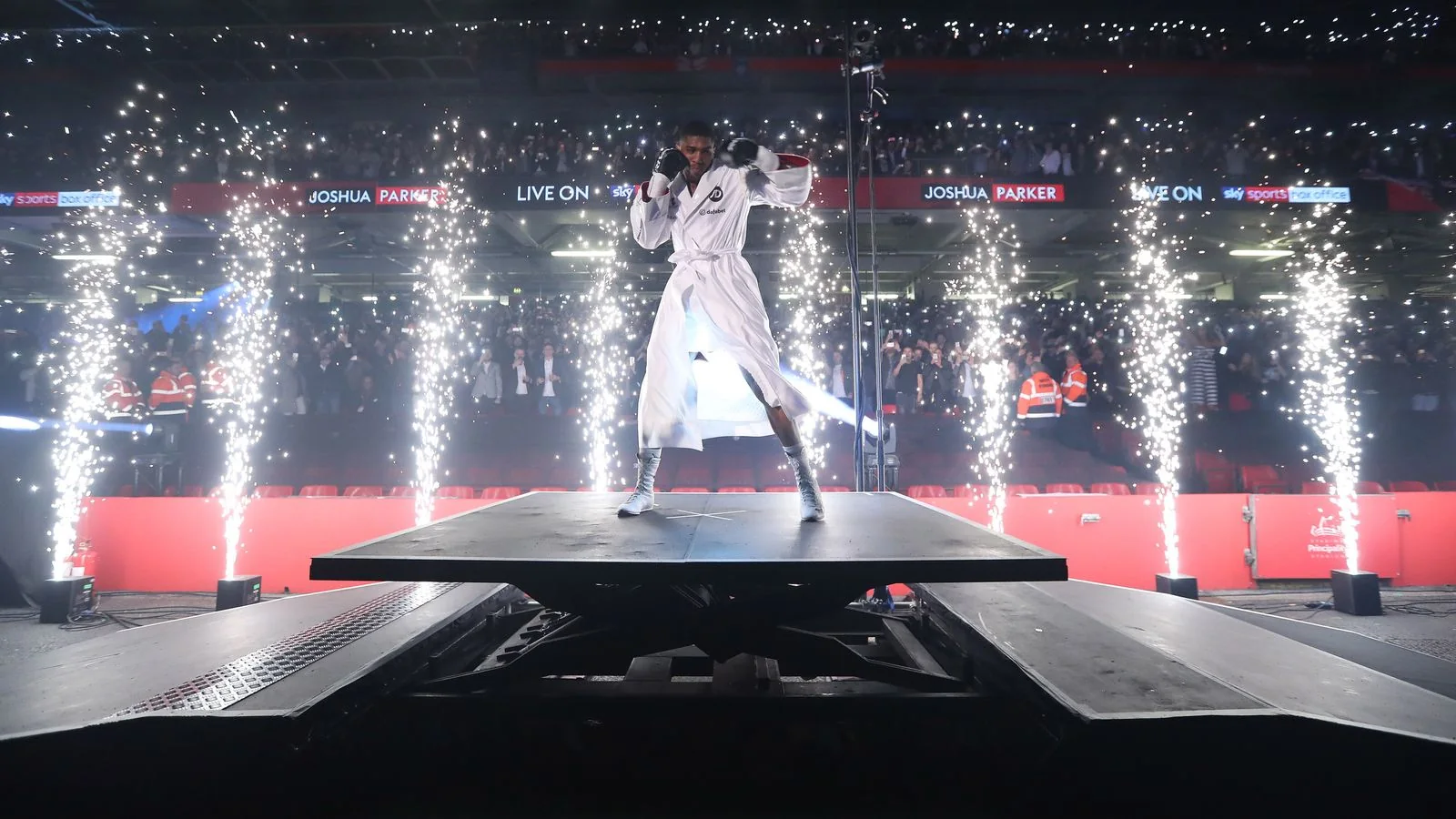
Waiting, Warming Up and Undercard Pacing
A ringwalk estimate is not a guaranteed first bell. Entrances, introductions, final instructions and television production still have to happen. Before that, every undercard bout creates uncertainty: a four-rounder can end in ninety seconds, while a title fight can use every scheduled round. Cuts, medical checks and a complicated stoppage add more time. Promoters can hold the programme or insert a swing bout, but they cannot make live boxing run like a train timetable.
That matters backstage. A corner tries to raise temperature and sharpness without draining energy. If the programme slips after a boxer has wrapped hands and begun working, the team may have to slow the warm-up, keep muscles warm, then rebuild intensity. If the card runs fast, the opposite problem appears. Those are manageable professional tasks, yet a headline bout at an extreme local hour leaves less margin for a sloppy running order.
Sports science supplies context, not a prediction. A 2018 review indexed by the US National Library of Medicine found that evening competition was associated with reduced post-event sleep and longer sleep latency among athletes. Expert consensus also says sleep responses are individual. It would be wrong to infer that either heavyweight must perform badly, or that the same clock affects both men identically.
Atmosphere Is Not Guaranteed to Survive the Delay
The television pitch depends on a roaring British stadium. Yet crowd energy is a resource, not stage dressing. Long gaps, cautious undercard matchmaking and hours of waiting can turn anticipation into fatigue. A strong card with disciplined pacing could keep Cardiff loud; a thin card stretched to serve a US window could leave the decisive entrances feeling oddly flat.
Heavyweight danger helps: either man can end a contest before twelve rounds, and recognition alone will lift the noise when they emerge. Still, organisers must schedule for a full-distance fight, not a hoped-for knockout. If the first bell comes well after 2 a.m., a tactical twelve rounds plus the verdict could take the crowd beyond 3 a.m. The anger is partly fear that the famous British atmosphere will be treated as infinitely renewable while the people creating it absorb every delay.
Cardiff Can Host It, but Feasibility Is Not Fan Service
Cardiff is not a random bargaining chip. Principality Stadium has the scale, weather protection and boxing memory to make Fury–Joshua feel like a national occasion. The distinction fans are making is simpler: a building being capable of operating at 2 a.m. does not establish that the audience can reach, endure and leave the event on reasonable terms.
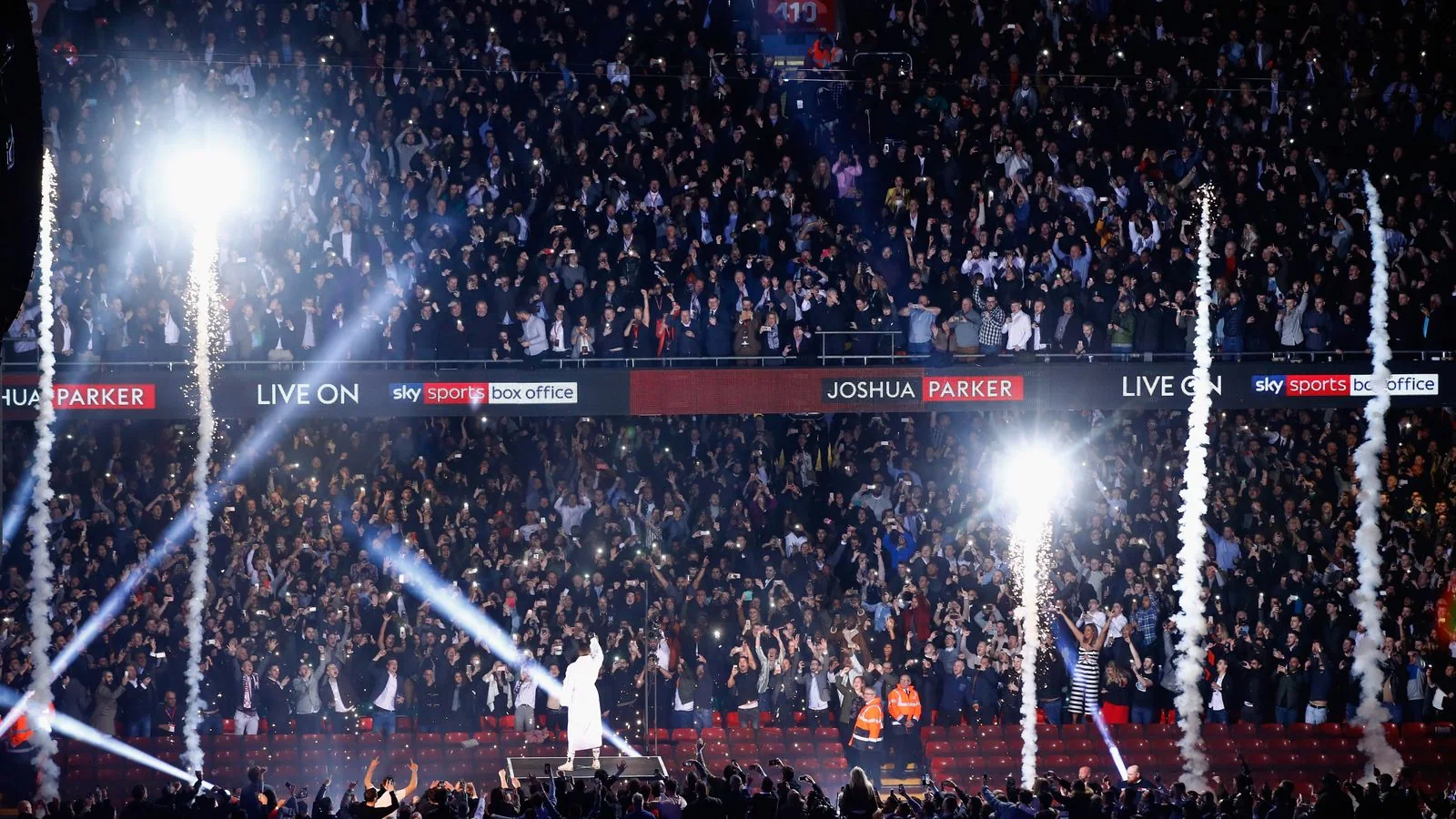
The Roof and Big-Fight History Make Cardiff Logical
The stadium's official facts page lists 73,931 permanent seats and a retractable roof opening measuring 105 by 80 metres. Closing the roof removes much of the November weather risk and traps crowd noise inside the bowl. In practical and visual terms, that is a serious advantage over an exposed stadium when a broadcaster wants a grand late-year event.
It is also familiar heavyweight territory. Joshua stopped Carlos Takam there in October 2017 and outpointed Joseph Parker in March 2018. The Parker unification was promoted as an 80,000-strong sell-out once floor seating and event configuration were included. Joshua therefore has authentic history in the venue rather than a convenient promotional connection created for this negotiation.
In July, Sky Sports reported that the Welsh Rugby Union, the owner and operator, would be “delighted” to host Fury–Joshua and that the late start should not be prohibitive. That makes Cardiff credible. It does not mean a venue contract, date, ticket map or 2 a.m. first bell had been announced. Physical capability is one box in a much longer event plan.
Calzaghe–Kessler Is a Precedent, Not a Blank Cheque
The obvious precedent is Joe Calzaghe against Mikkel Kessler on November 3, 2007. Two unbeaten super-middleweight champions fought before more than 50,000 people in the early hours. Calzaghe's volume, speed and adjustments carried him to a unanimous decision, 117–111 and 116–112 twice, adding Kessler's WBA and WBC titles to his WBO crown. Contemporary ringside coverage remembered both the very late night and the extraordinary Welsh noise.
That proves a high-level fight can happen late in this stadium and still produce twelve compelling rounds. It does not settle a 2026 argument about value or access. Viewing habits, streaming strategy, ticket prices and public expectations have moved. More importantly, an old crowd getting through one famous night is not a transport plan for a new crowd.
Even Joshua–Parker, staged on a more conventional Saturday evening, needed full crowd management, extra taxis and night buses, coordinated rail services and advance warnings that the final London train departed at 9:25 p.m. Those arrangements were documented by the UK government. A Fury–Joshua event expected to empty after 3 a.m. would need services designed for that finish. Cardiff's history answers “can the stadium stage it?” Fans are asking the promoters to answer “how will the people be served?”
What a Fair Announcement Must Tell Supporters
The remedy is not complicated: publish one coherent event plan before asking supporters to buy. As of this article's September 16, 2026 cutoff, the latest reporting still described negotiations, multiple venue candidates and possible November or December dates. Confidence from managers and promoters matters, but it is not a substitute for final public details.
Publish the Date, Ringwalk Window and Transport Plan Together
A responsible on-sale notice should name the venue and date, doors time, expected undercard start, realistic main-event window and projected finish. For a Cardiff show, it should arrive with rail, coach, parking, taxi-rank and road-closure information that extends beyond the final crowd exit. Accessible travel, pick-up areas and any age restrictions need equal prominence.
Promoters cannot guarantee a precise first bell, but they can publish a range and explain why it may move. Ticket terms should also make clear what happens if the date, venue or advertised timing changes. Fans deciding between an expensive hotel and an overnight journey need that information before checkout, not in an email during fight week.
Separate Broadcast Start, Main Card and Main Event
Boxing repeatedly creates confusion by presenting several clocks as one. “Coverage begins” may refer to a studio or preliminary stream. “Main card” means the leading televised sequence, not Fury against Joshua. “Ringwalks” describes the expected entrances. The first bell follows music, introductions and final instructions. If organisers want a 2 a.m. headline moment, every schedule should say which of those moments it means.
| Label | What fans should expect |
|---|---|
| Broadcast start | The platform goes live; early bouts or studio coverage may follow. |
| Main-card start | The principal televised fights begin, usually hours before the headline bout. |
| Ringwalk estimate | The anticipated entrance window, subject to undercard duration. |
| First bell | Round one starts after entrances, introductions and instructions. |
How to Follow the Fight Without Guessing
Use a source hierarchy. The promoter and authorised ticket agent should control date, venue and ticket validity. The venue and local authorities should control entry and travel advice. The named broadcaster should confirm territories, subscription or PPV conditions and programme times. Until those parties align, treat quoted preferences as negotiation news.
Closer to the event, check the boxing TV and streaming schedule for platform and local-time information. On the day, the boxing tonight page is the useful checkpoint for changes; the weekend boxing schedule gives the surrounding card context. Those listings consolidate information, but official ticket and venue notices remain authoritative for admission.
The Fury–Joshua argument is therefore larger than whether British fans can stay awake. A domestic stadium crowd supplies the pictures, noise and history that make the global product valuable. If organisers choose a 2 a.m. Cardiff ringwalk to serve another market, the minimum fair exchange is certainty, transport and a card paced for the people in the seats. Until that plan exists, the anger is rational—and “2 a.m.” remains a reported ambition, not an appointment.
Keep reading
Related boxing articles
Fight Guides
Why UNLV Moved a Football Game for Canelo–Crawford at Allegiant Stadium
By Boxing Schedule Editorial TeamFight Guides
Boxing Ringwalks and NFL Kickoffs: A Sports Viewing Guide
By Boxing Schedule Editorial TeamFight Guides
Join the conversation
Comments
Comments are reviewed before publication. Keep the discussion useful and focused on boxing.
Sign in with Google to comment
Your public comment shows your account name. Your email address is not displayed.
Commenting as
Loading comments…