Female Boxers to Know in 2026: Eight Names, Defining Fights and What to Watch
Meet eight important names in women's boxing through defining fights, divisions and viewing questions, with retired Katie Taylor clearly separated from the active championship picture.
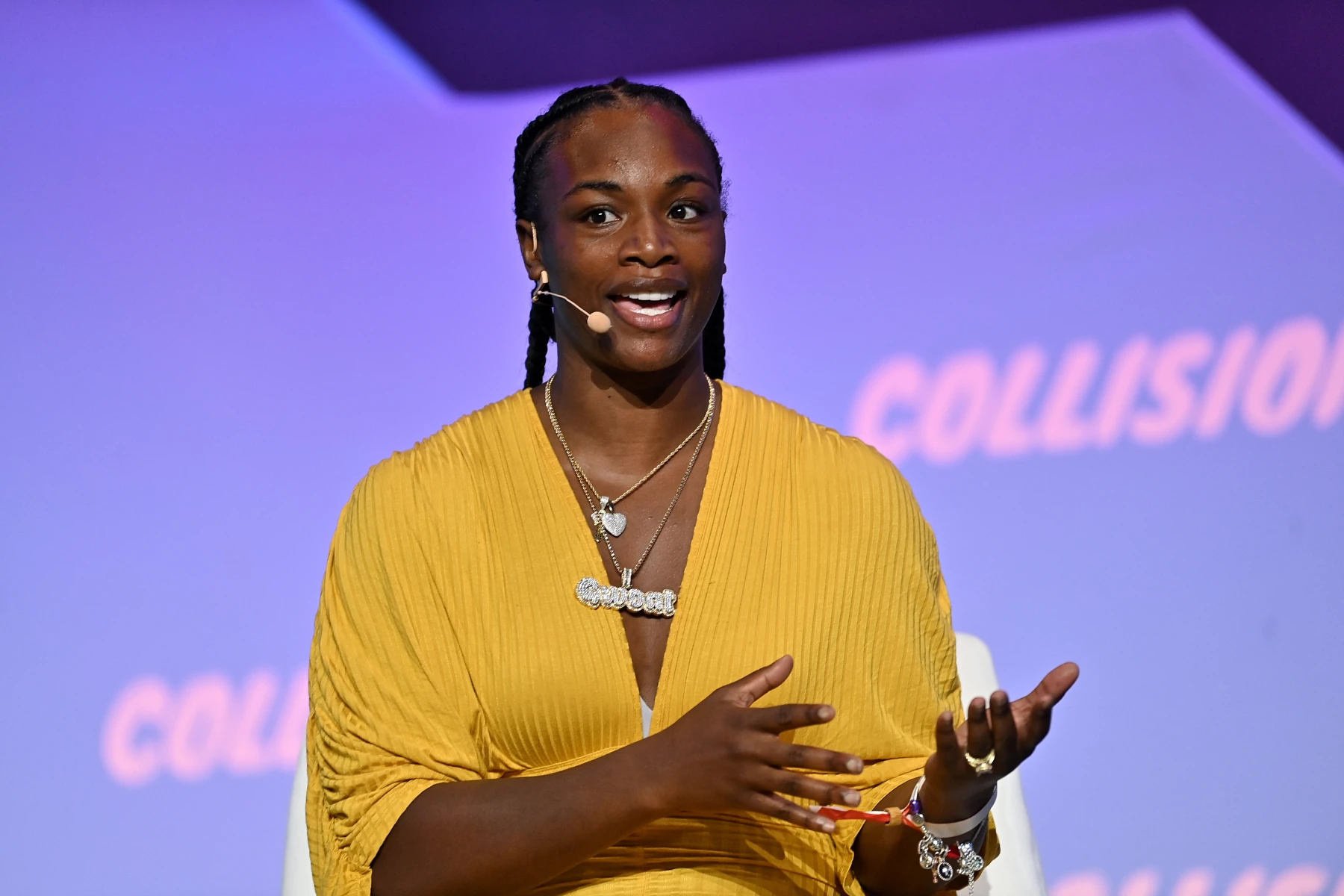
Eight Names to Understand Women's Boxing in 2026
Start with Claressa Shields, Katie Taylor, Amanda Serrano, Alycia Baumgardner, Mikaela Mayer, Gabriela Fundora, Lauren Price and Ellie Scotney. Together, these eight names introduce different divisions, rivalries and ways of winning. This is an editorial viewing guide checked on October 14, 2026, rather than an official ranking or an exhaustive list of current champions.
Taylor belongs here as a retired benchmark. WBAN's October 1 account describes her retirement, so her inclusion is an invitation to understand the fights that shaped the present scene. It is not a promise that she has another bout coming. For the other names too, career significance and the latest sanctioned title position should be checked separately.
| Boxer | The question to follow |
|---|---|
| Claressa Shields | How does championship success translate across divisions? |
| Katie Taylor | What do demanding rivalries add to a career? |
| Amanda Serrano | How does featherweight success differ from moving up for a rivalry? |
| Alycia Baumgardner | How does a signature victory fit a wider championship campaign? |
| Mikaela Mayer | What changes when a boxer moves beyond the division of a famous rivalry? |
| Gabriela Fundora | How can reach become useful pressure? |
| Lauren Price | How does an Olympic foundation develop in professional title fights? |
| Ellie Scotney | What does a decision victory reveal beyond the knockout count? |
The questions matter more than a single column of wins. A perfect record, a high finishing rate and a collection of belts each supply information, but none independently describes opponent quality, competitive depth or the problems solved during a fight. Women competing several divisions apart also face different opponents and opportunities; their numbers need context before comparison.
Use the selection to find an entry point into the sport. If you enjoy rivalries, start with the connected careers of Taylor and Serrano or Baumgardner and Mayer. If you want to understand newer championship campaigns, follow Fundora, Price and Scotney. Then watch complete rounds with a specific question in mind. You will learn more from the way a boxer earns space and handles a response than from a highlights reel that shows only her best moments.
Shields and Taylor Set Different Career Benchmarks
Shields and Taylor are useful starting points because their achievements invite different questions. Shields makes you examine championship success across divisions. Taylor makes you examine the value of demanding rivalries and returning to solve a problem after defeat. Reducing that comparison to one unbeaten-record column would miss much of what makes both careers important.
Claressa Shields: Follow the Championship Across Divisions
Shields' February 2025 unanimous-decision victory over Danielle Perkins established a clear landmark: four-belt undisputed heavyweight recognition. The WBA's contemporary report identifies the acquisition and a tenth-round knockdown. It describes an achievement on that night, rather than guaranteeing permanent possession of every belt afterward.
Her later movement reinforces the need to name the division. An August 19, 2026 WBA report confirms a sixth-round stoppage of Kaye Scott and acquisition of its middleweight championship. Heavyweight and middleweight accomplishments should therefore remain separate entries when you follow her career. They show a championship story crossing weight classes, not a reason to merge those divisions into one list.
When watching Shields, examine how she earns an exchange before counting the punches. Does she make the opponent commit first, change the angle of the reply or finish her combination in a position from which she can defend? These are viewing questions, not a claim that every opponent presents the same challenge. Start with the Perkins bout to see the practical problem of facing a larger opponent, then compare a middleweight appearance.
The size of a career achievement and the depth of a particular division are related but distinct judgments. A strong evaluation can acknowledge both without dismissing every opponent or treating each belt as identical proof. Name the actual opponent and championship before making the broader comparison.
Katie Taylor: A Retired Benchmark for Elite Rivalries
Taylor's career provides a different route into the sport. Her 2012 Olympic gold belongs to her amateur history. Her professional encounters with Serrano and Cameron belong to later championship campaigns, with different formats, opponents and stakes. Keeping those phases separate makes the scale of the transition easier to appreciate.
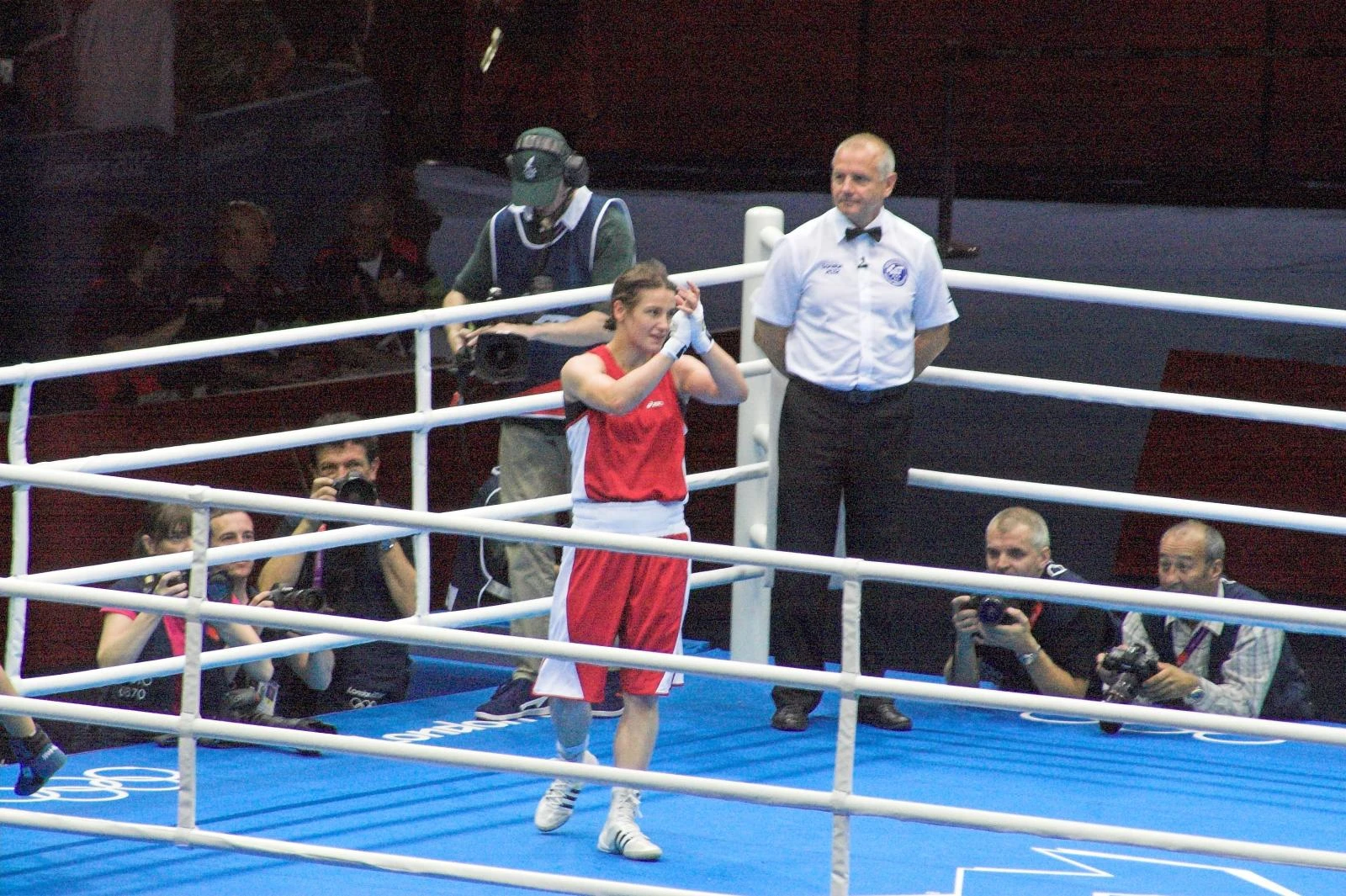
Cameron defeated Taylor in their first meeting; Taylor won the November 2023 rematch by majority decision over ten rounds at 140 pounds. The reversal matters because it supplies an actual response to defeat. It is more revealing than simply removing the loss when describing her greatness. Taylor also finished their trilogy with three official victories over Serrano, a result sequence that still leaves room to examine how competitive the individual fights were.
WBAN's October 1, 2026 account identifies Taylor as retired. Use those rivalries as replay starting points, rather than assuming another meeting is scheduled. Watch the first meaningful exchange and the position at its end: fast combinations can win a moment, but a strong opponent can change the next moment. Following that negotiation across rounds is the most useful introduction to Taylor's significance.
Serrano, Baumgardner and Mayer Connect Different Weight Classes
Rivalries help fans remember names, but they can also trap a boxer inside one result. Serrano's career extends beyond the Taylor meetings, while Baumgardner and Mayer continued along different paths after facing each other. Follow the division and date whenever you move between their fights.
Amanda Serrano: Separate the Featherweight Career From the Taylor Rivalry
Serrano's February 2023 victory over Erika Cruz supplied a major featherweight landmark. She won by unanimous decision and added the WBA championship to complete the four-body set at that time. The contemporary WBA report documents the achievement. It belongs to the 126-pound championship story, not to the lightweight or super-lightweight context of her Taylor rivalry.
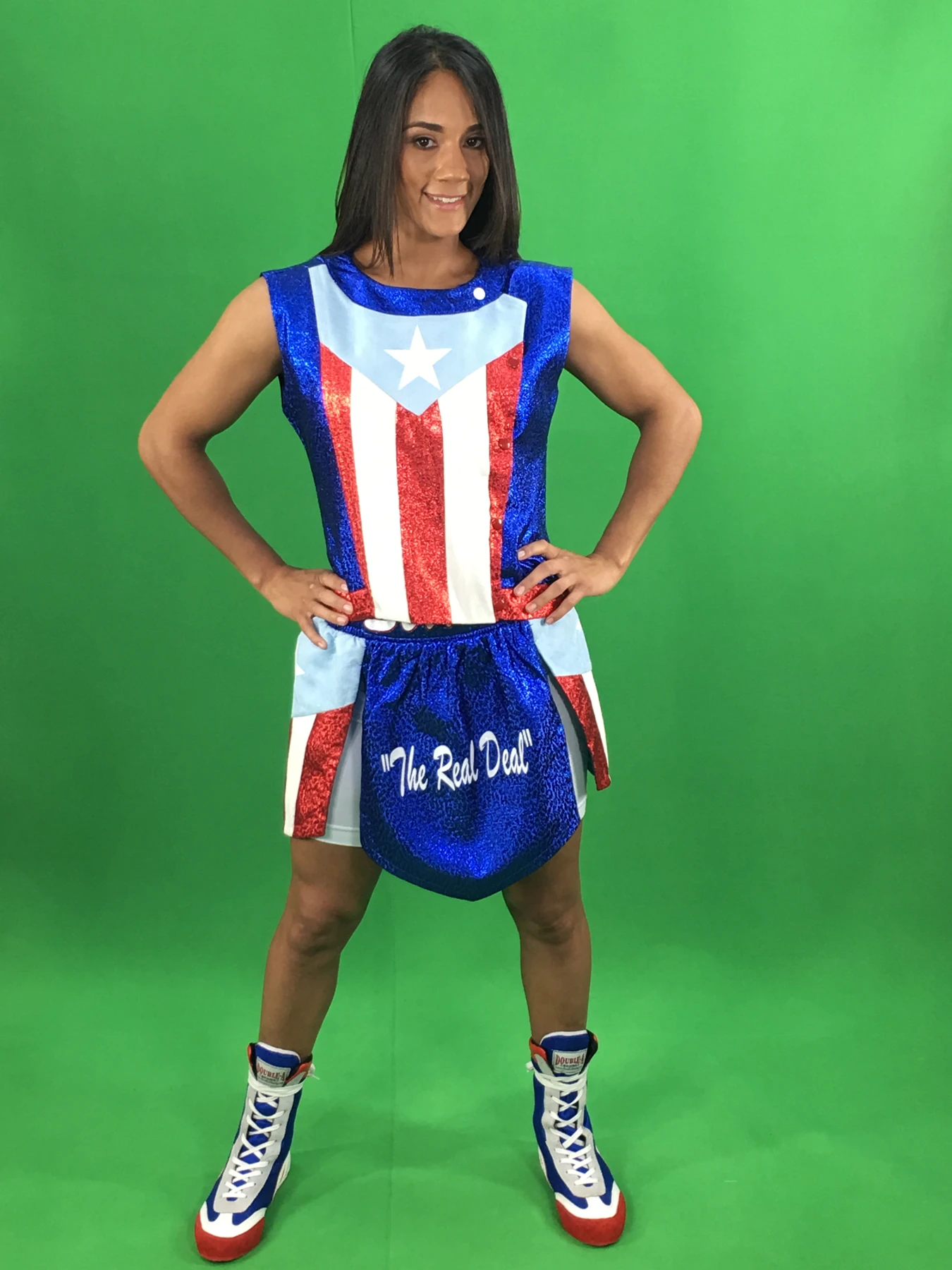
That separation changes the viewing question. When a boxer moves up to face a prominent rival, you need to evaluate the opponent and the demands of the new weight alongside her established strengths. A defeat in one matchup cannot erase success in another division, just as historical unification does not guarantee victory in every subsequent contest.
For a first replay, compare the Cruz fight with one Taylor meeting. Watch how the opponent responds when Serrano starts an attack: does the exchange stay available, does the opponent interrupt it, or does the action move beyond the range she wanted? The aim is to understand the interaction, rather than treating pressure as a quality that works independently of the boxer receiving it.
Alycia Baumgardner and Mikaela Mayer: One Rivalry, Separate Careers
Baumgardner defeated Mayer by split decision in October 2022 in a super-featherweight unification. A split decision means the judges disagreed about the winner. It does not mean an official draw, and it does not automatically settle how their careers compare at every other weight. Their bout is a useful introduction because both had something substantial to defend.
Watch complete rounds before relying on a compilation from either boxer. Identify the cleanest work and then examine the response. A short burst can be impressive, but a round also contains quieter stretches in which position, range and the ability to restart an attack become important. Recording those stretches helps explain why two viewers might identify different decisive moments without pretending their cards are official.
Mayer subsequently fought Sandy Ryan at welterweight and won their March 2025 rematch. Her record also extends into later super-welterweight contests, including the 2026 Cameron defeat. Her career therefore cannot be frozen at the 2022 Baumgardner result. Baumgardner's own championship campaign likewise needs its subsequent opponents and results, rather than a permanent label based on one rival.
For a new viewer, these three careers offer an efficient lesson: familiar names connect the sport, but weight classes and career phases supply the meaning. Keep the original rivalry as an entry point, then let the later fights expand the picture.
Fundora, Price and Scotney Broaden the Viewing List
Fundora, Price and Scotney offer three more ways into championship boxing. Their landmark performances involve different divisions and different routes to control. Watch them individually before turning their records into a cross-division contest over who looks most dominant on paper.
Gabriela Fundora: Flyweight Reach and Championship Pressure
Fundora's seventh-round stoppage of Gabriela Celeste Alaniz in November 2024 united the four major flyweight titles. The WBA's report describes an adjustment to Alaniz's early pressure before Fundora found the distance at which her height and reach became more effective. That is a more useful starting point than the assumption that a taller boxer simply wins by staying far away.
Reach only becomes an advantage when the boxer can use it against an opponent trying to remove the space. Watch the first punch that interrupts an entry, the position of the feet when the opponent gets close and the route out after a combination. If Fundora moves forward, ask whether she is bringing the opponent into a useful distance rather than merely surrendering her own reach.
The Alaniz contest is a championship milestone to study, not a guarantee that every future opponent will ask the same questions. A different stance, rhythm or willingness to wait can change the problem. Follow the matchup rather than assigning one permanent tactical description from a single successful performance.
Lauren Price: An Olympic Foundation at Welterweight
Price arrived in professional boxing with Olympic gold from Tokyo. Her March 2025 victory over Natasha Jonas then supplied a major professional checkpoint: she retained the WBA welterweight championship and added the WBC and IBF titles. Three organizational titles made that a unification, rather than a claim that the fourth belt was included.
Amateur credentials explain part of the foundation, but they do not automatically win professional rounds. Watch how Price initiates a scoring opportunity, how she responds when the opponent tries to restart and whether she remains in a position to deliver another effective exchange. The Jonas fight is useful because the championship stakes make those questions concrete.
Compare the actual opponent's answers with Price's choices. A boxer appearing comfortable can reflect effective control, but simply praising speed leaves the mechanism unexplained. Look for what makes the opponent late, hesitant or unable to sustain an attack, while preserving any exchanges in which the opponent does better.
Ellie Scotney: Decisions Can Build an Elite Resume
Scotney's April 5, 2026 victory over Mayelli Flores gives a useful lesson in reading decision results. The WBA's judging analysis shows six rounds awarded to Scotney by all three judges, with disagreement about the other four. Agreement on the winner therefore did not require identical assessments of every round.
That matters when judging a career through finishes. A decision can contain sustained high-quality work; a stoppage can arrive after a very competitive contest. Neither ending tells the whole story on its own. Watch how Scotney earns a round, whether the advantage survives the opponent's response and how the pattern develops as the bout continues.
Use the three profiles together as a viewing exercise: Fundora introduces the practical use of reach, Price introduces the transition from a strong amateur foundation and Scotney introduces the value of examining complete rounds. Those questions remain useful even when the next result changes a record or a championship position.
Choose the Right Fight Before Comparing the Fighters
The best next step is to choose one contest from this guide and give it your full attention. Begin with the question that interests you: Fundora against pressure, Price establishing a professional championship advantage or Taylor returning against an opponent who had already beaten her. A specific problem gives you something useful to test while the action develops.
Write down the event's particulars before watching. Include the opponent, division, championship and scheduled format. Then leave space for what you observe. This prevents a career summary from doing the work that belongs to the actual contest: explaining how these two boxers interact on this particular night.
Format deserves special attention. In October 2023, Serrano and Danila Ramos boxed twelve three-minute rounds, as documented in Michael Rothstein's contemporary report. That example does not establish the format of every women's title fight. It demonstrates why you should check the individual contest before comparing its pace or finishing opportunities with another bout.
During a replay, use short observations instead of an immediate overall verdict. Note what starts an exchange, which punches reach their target and what position remains when the exchange ends. A boxer may win a brief burst but allow an effective reply. Another may spend longer moving without producing the cleaner scoring work. Those differences become visible when you preserve the sequence.
For a decision fight, compare your notes with the available round information after watching. Scotney–Flores provides a useful example: the WBA's round-by-round analysis shows six rounds on which all three judges favored Scotney and four on which their allocations differed. Begin with one of the disputed rounds, explain your own assessment and keep it separate from the judges' recorded choices. You do not need to invent a controversy to learn from a difference.
For a future contest, start with the weekend boxing schedule and follow the actual event information. A famous rivalry or an attractive stylistic pairing is not evidence that a rematch has been booked. After the event, the boxing results help establish the outcome before you reassess a record or championship claim.
Build outward from that first full fight. Compare a second opponent or another stage of the same career, preserving what changed between them. The eight names here then become more than a recognition exercise: they introduce rivalries, range problems, championship transitions and different ways of earning rounds. That is a firmer basis for choosing the next card than assuming the most famous name or largest knockout total tells the complete story.
Keep reading
Related boxing articles
Fight Guides
Why UNLV Moved a Football Game for Canelo–Crawford at Allegiant Stadium
By Boxing Schedule Editorial TeamFight Guides
Boxing Ringwalks and NFL Kickoffs: A Sports Viewing Guide
By Boxing Schedule Editorial TeamFight Guides
Join the conversation
Comments
Comments are reviewed before publication. Keep the discussion useful and focused on boxing.
Sign in with Google to comment
Your public comment shows your account name. Your email address is not displayed.
Commenting as
Loading comments…