Dubois vs Wardley 2: Why the Rematch Divides Boxing Fans
Why Dubois and Wardley are fighting again, what is confirmed for October 17, and the technical, protection and heavyweight title questions behind the rematch.
What is confirmed for Dubois vs Wardley 2
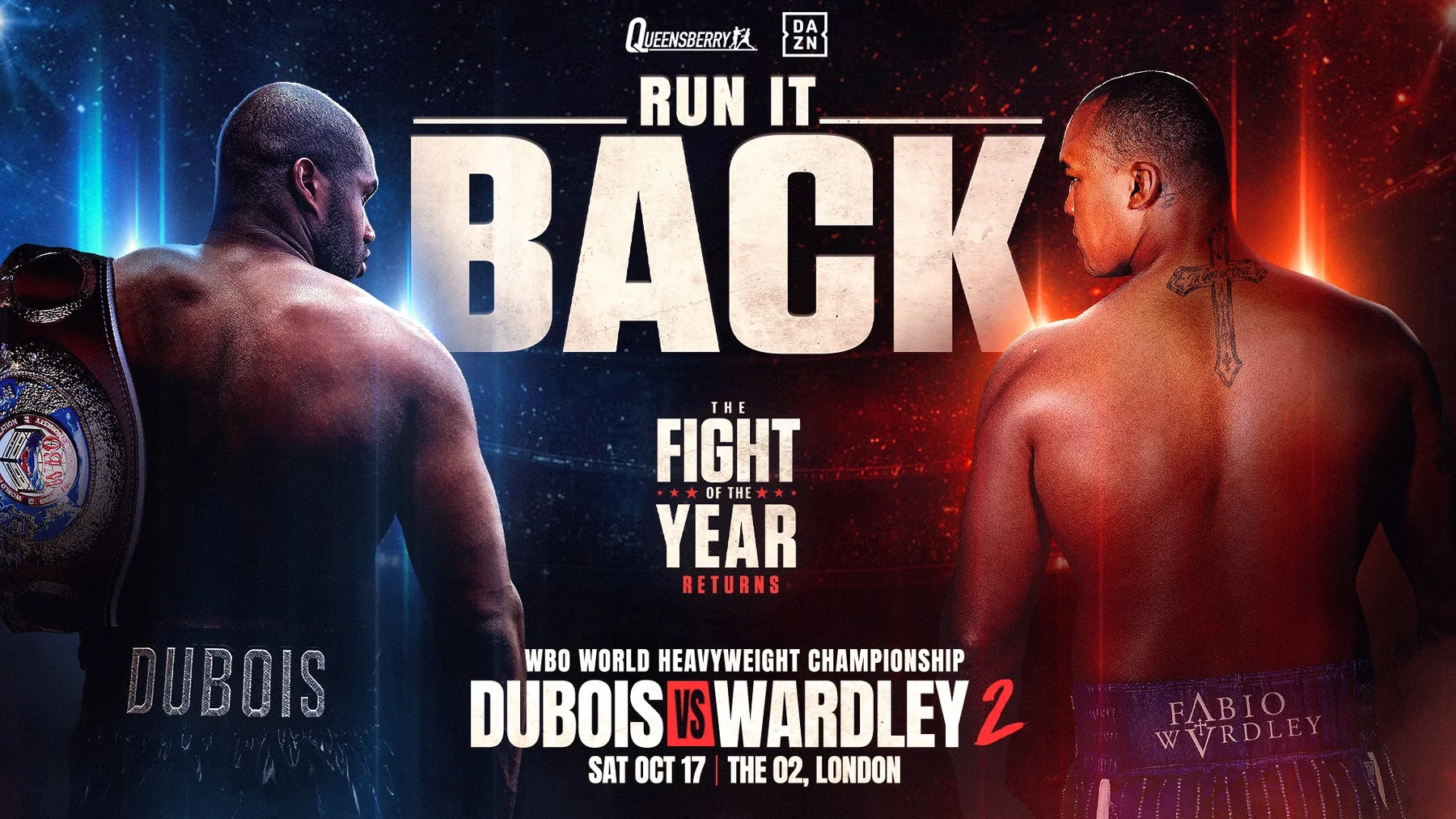
Dubois vs Wardley 2 is scheduled for Saturday, October 17, 2026, at The O2 in London. The argument around the rematch is about whether it is the best next fight for these heavyweights: the event itself has a current official venue listing. As of October 1, The O2 confirms the date and venue, while the WBO lists the heavyweight championship pairing.
| Question | Current answer |
|---|---|
| When and where? | October 17, 2026; The O2 arena, London. |
| What is at stake? | Daniel Dubois' WBO heavyweight championship. |
| Where are official tickets linked? | The venue directs purchasers to AXS. |
| Which broadcaster is listed? | DAZN on the WBO event listing; check your territory's offer. |
An arena's door-opening time is not a main-event ringwalk promise. Nor does a broadcaster logo establish whether a particular country's package requires a subscription, an additional purchase, or both. Check the current boxing TV and streaming schedule alongside the broadcaster's own event page before making plans. Those practical details deserve their own confirmation as fight week approaches.
The sporting question is more interesting than the event label. Wardley showed that he could hurt Dubois early in their first meeting, but Dubois recovered and eventually controlled the fight. That leaves two reasonable reactions: curiosity about whether Wardley can build a better second attempt, and concern about asking him to face the same problem again so soon. A title fight can be commercially attractive and still deserve scrutiny over its timing, its technical competitiveness and what it means for the wider division. Those are the questions that will decide whether the rematch earns its place.
Why Wardley gets another title fight after a stoppage loss
The simplest explanation is that Wardley had a route back agreed before the first fight and chose to use it. That does not mean the result was disputed. A defeated champion can accept the stoppage, congratulate the winner and still exercise a contractual opportunity. Whether fight fans like that arrangement is a separate question from whether it explains the booking.
The rematch clause explains the route back
The Ring reported on May 15 that Wardley had activated his rematch clause, with Queensberry subsequently confirming that the parties would work toward another meeting later in 2026. The complete signed agreement has not been made available here. It would therefore be wrong to add supposed deadlines, purse splits or an automatic third fight to the public information.
For Wardley, exercising the option is understandable. An existing title opportunity has a different value from returning to a queue and hoping another champion selects him. A rebuilding fight might offer room to improve with less pressure, but it would also leave the next championship chance uncertain. That is the decision facing a fighter and his team: take the available opportunity with its known difficulty, or accept a longer route whose destination is less secure.
The sporting argument is different from the contract
There is a credible competitive hook because Wardley put Dubois down twice. There is also a credible objection because early success did not prevent Dubois from taking over. Those statements describe different parts of the same fight. Supporters of the rematch emphasize how close an early finish might have been; skeptics emphasize what happened once Dubois recovered and established a more reliable attack.
The disagreement is visible among experienced observers as well as fans. In a September 29 interview report, Eddie Hearn treated Wardley as a substantial underdog, while Tony Bellew put his own assessment at 60/40 in Dubois' favor. Bellew's number was a personal judgment, not an official probability or a quoted bookmaker's price.
The useful question is what can change, rather than which pundit sounds more certain. A rematch earns sporting interest when it offers a plausible answer to a problem the first contest exposed. Wardley already has evidence that he can threaten Dubois. He now needs an explanation for how he can remain effective when the first opening does not finish the contest. Without that second part, the promotional appeal rests heavily on another dramatic start.
What Wardley would need to change in the ring
The first fight was won by Dubois through an eleventh-round stoppage, 28 seconds into the round, after he survived knockdowns in rounds one and three. The Ring's ringside account describes his jab and straight punches becoming increasingly effective after the early crisis. The proposals below follow that reported pattern; they are technical possibilities for the rematch, rather than claims about undisclosed training changes.
Make the right hand part of a repeatable attack
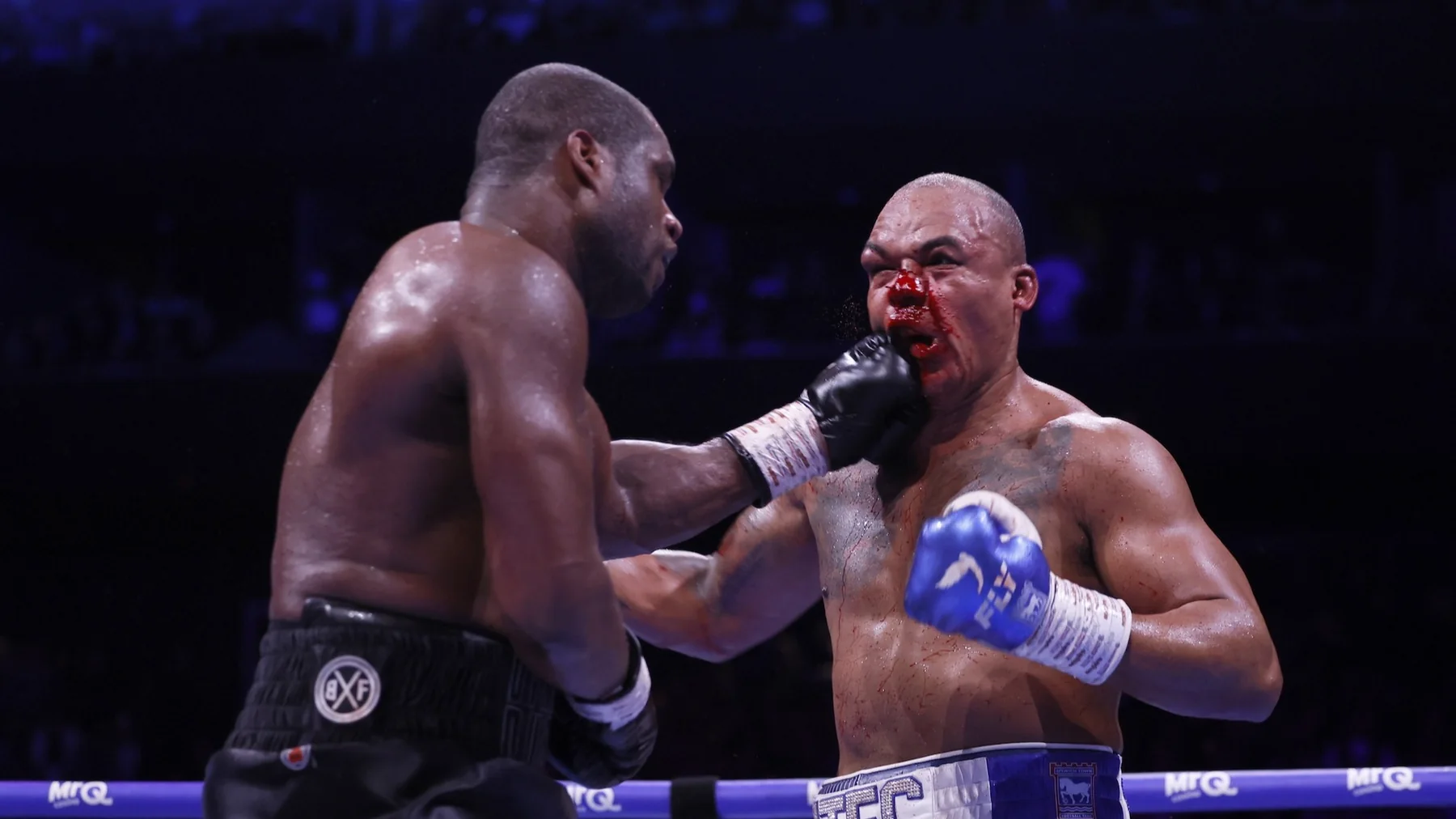
Wardley does not need to discover whether his right hand can hurt Dubois. He needs to create enough good situations to use it without spending every exchange searching for one decisive punch. A jab, a shoulder feint or a change of distance can make an opponent hesitate before the right arrives. The purpose is to force an observable response: a raised guard, a planted lead foot or a retreat that narrows the escape route.
That preparation matters after the punch as well. If Wardley reaches too far or finishes square, Dubois can answer while he is still resetting. A balanced attack leaves Wardley able to defend, move or throw again. In practical terms, a shorter combination followed by an organized exit could be more valuable than a spectacular lunge that only works when it lands cleanly. This is a proposed route to consistency, not evidence that Wardley has already mastered it in camp.
Contest the jab before conceding the ropes
The Boxing Insider fight account also identifies Dubois' jab, one-twos and pressure as recurring problems. The response cannot simply be to absorb the jab and wait for a counter opportunity. A heavyweight jab can interrupt both balance and decision-making even when the defender remains standing.
Wardley could vary how he meets it: catch a single jab, move his head off its line, or answer before Dubois settles into the next punch. Each choice carries a risk. A predictable parry can open a lane around the glove; a deep slip can leave the defender available for a follow-up. The valuable change would be variation combined with foot position. Moving laterally before reaching the ropes gives a boxer more room than trying to escape after his back has already met them.
Spend less energy chasing a finish
An early knockdown creates an emotional invitation to empty the tank. It does not establish that the opponent is ready to be stopped. Wardley should still attack a hurt Dubois, but the next punches need to be accurate and recoverable. Missing wide shots while chasing a moving target spends energy without necessarily increasing danger.
The alternative is controlled pressure: close the space, keep the feet underneath the attack, and make Dubois defend successive small problems. If the finish does not come, Wardley needs a plan for the following round rather than frustration that the previous burst failed. Restraint here means choosing useful work, not conceding initiative. That distinction would become especially important once the contest passes the early rounds that produced his best moments last time.
Why concerns about another hard fight deserve a serious answer
Concern about Wardley taking another punishing fight has a concrete starting point. In the aftermath of their first meeting, trainer Ben Davison acknowledged that it could have been stopped sooner. The Ring's May 10 report recorded his account of considering the towel while Wardley remained responsive and occasionally fired back. It also reported medical inspections before rounds nine and ten.
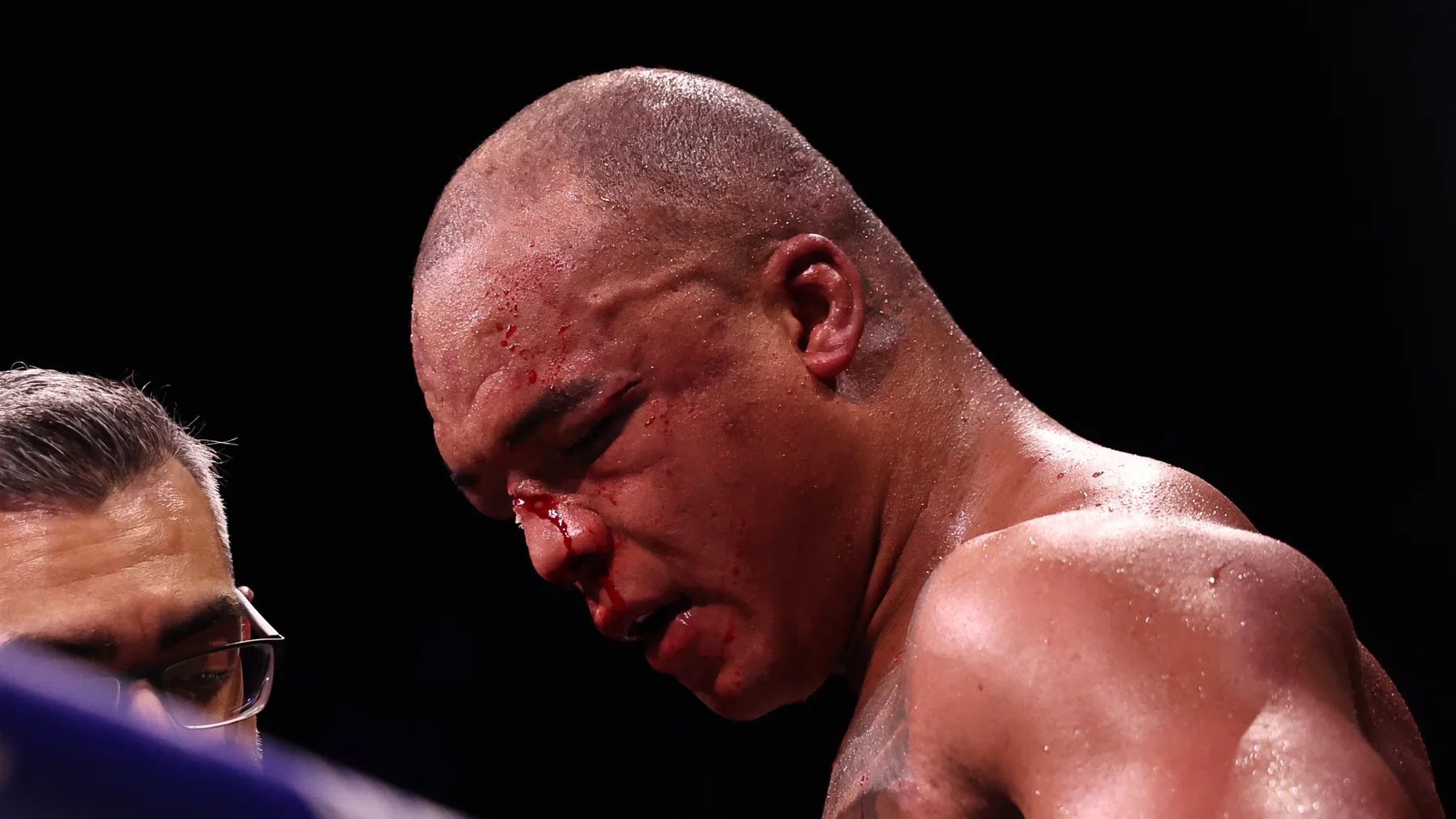
That history helps explain the tone of a small September 30 r/Boxing discussion. Some contributors anticipated an entertaining fight; others preferred a rebuilding bout and expressed worry about more damage. Those comments illustrate the questions being asked. They do not measure the whole fanbase, establish an injury or substitute for medical examinations.
Courage does not decide when a contest should end
The uncomfortable part of a heavyweight comeback story is that occasional success can coexist with an increasingly difficult defensive situation. A fighter who lands one hard reply may still spend most of the round receiving clean shots. For a corner, the meaningful question is whether he can regain a competitive pattern: protect himself, follow instructions, find useful space and produce more than isolated resistance.
That is a harder judgment than checking whether he wants to continue. Wardley has already demonstrated that willingness. The rematch should not require him to prove it again at any cost. If the same pressure pattern returns, his team should be assessing what is happening now rather than allowing the memory of an earlier comeback to decide the present contest. A potential winning punch is part of boxing; the fact that it remains theoretically possible cannot be the entire protection argument.
The months between bouts are another reason to avoid easy claims. Calendar time alone does not tell an outsider what treatment, recovery or assessment has taken place. No current medical findings are established in this article. Fitness to compete belongs to the relevant qualified professionals and authorities. The sporting criticism can remain precise without pretending otherwise: fight fans want to see a credible defensive improvement and a corner prepared to recognize when a contest stops being meaningfully competitive.
A decisive early intervention in the rematch would not erase Wardley's courage, and a competitive long fight would not retrospectively settle every argument about the first stoppage. These are separate judgments. Keeping them separate allows fans to appreciate the fighters while still asking sensible questions about how the bout is managed.
What the rematch costs the heavyweight division
The division's opportunity cost is real but should be described accurately. Dubois is committing his next championship contest and its preparation to an opponent he has already beaten. Wardley is using his next camp to tackle a proven difficult matchup. Other possible opponents lose that immediate opening. That is enough to explain frustration without claiming that every heavyweight's career has been frozen.
The same September 30 discussion captures the distinction between enjoying a fight and wanting it as the next step. One contributor expected entertainment but preferred Dubois to move forward and Wardley to regroup. That is a coherent position. A fan can believe the rematch will contain action while judging a fresh title defense and a different development fight to be more useful for the two careers.
What makes the concern sharper is the possibility of a second booking becoming a third. If Wardley wins, the series would stand at one victory each, and the appeal of a decider would be obvious. But appeal is not an obligation. No published second-fight contract establishing an automatic trilogy has been identified here. A draw, an injury or a disputed result could also change the commercial conversation without providing proof of what must happen next.
If Dubois wins again, the sporting case for another immediate meeting would generally weaken. He would have answered the same challenge twice, and fans could reasonably expect the next title defense to test something different. If Wardley wins competitively, a third fight might become more persuasive. Even then, the question would be whether a decider should happen immediately and how it fits any applicable championship obligations. The outcome alone cannot supply the date or contractual answer.
There is also a difference between a desirable new opponent and a guaranteed alternative. It is easy to propose a unification or a highly ranked contender in a comment thread. Securing that fight still requires agreement, availability and whatever title conditions apply at the time. Rejecting the rematch does not make all those obstacles disappear. The strongest criticism therefore concerns the choice actually being made: whether this particular repeat pairing offers enough new competitive information to justify another substantial slice of both fighters' calendars.
The rematch's sporting value should rise if it produces a clear next direction. That could mean Dubois emerging with greater control and a reason to seek a new test, or Wardley demonstrating a durable improvement that changes his standing. It would fall if the only message afterward is that the audience should buy the same unresolved promise again.
How to judge whether the rematch delivered something new
The rematch should be assessed through how the fighters solve problems, as well as who wins. The previous contest already supplied plenty of evidence about power and determination. October 17 can add something different if it shows better preparation, a more sustainable competitive balance, or a clear reason for the winner to move on. These are viewing criteria, not a prediction that either corner has adopted a particular plan.
A Dubois win needs to show control as well as power
For Dubois, the clearest improvement would be to establish his distance without giving Wardley another dramatic opening. That means paying attention to the approach as much as the punch: how he enters range, where his head sits after the jab and whether he remains ready for a right-hand reply. A careful opening does not have to be passive. It can deny Wardley the exchange he wants while still making him work.
Once Dubois has success, watch whether he sustains a useful structure. Does he keep Wardley near the end of straight punches, or rush close enough to allow a dangerous counter? Can he reset after a missed attack without losing balance? A knockout could come from either a patient sequence or a reckless trade. The result would be the same on a record, but the evidence about his next challenge would be different.
None of that requires dismissing the resilience he showed in May. The point is that surviving a crisis and preventing it are separate skills. A second win with fewer avoidable openings would give fans a stronger reason to see a new opponent, because it would suggest that the lesson from the first meeting reached beyond simply trusting his own toughness.
A Wardley win must survive the longer-fight test
Wardley can win early; boxing does not require a fighter to extend a bout to prove a theory. But if Dubois survives his best punch again, the second version of Wardley needs to remain credible. Look for meaningful rounds after the initial rush: organized defense, workable exits, an attack that is prepared rather than thrown in desperation, and useful choices when Dubois begins to press.
There is an understandable human reason to want the available championship chance. Anthony Joshua supported Wardley's decision in June, while recognizing that recovery was a question for Wardley's situation. That support explains the appeal from a fighter's perspective. It does not remove the need for a different competitive answer if the bout becomes long.
Afterward, use the boxing results page to establish the winner, method and round, then distinguish those essentials from unofficial commentary or running scores. Check current boxing event information for what follows rather than assuming a trilogy is guaranteed. The fairest verdict will recognize both the winner's work and whether the rematch answered the doubts that made it divisive in the first place.
Keep reading
Related boxing articles
Fight Guides
Why UNLV Moved a Football Game for Canelo–Crawford at Allegiant Stadium
By Boxing Schedule Editorial TeamFight Guides
Boxing Ringwalks and NFL Kickoffs: A Sports Viewing Guide
By Boxing Schedule Editorial TeamFight Guides
Join the conversation
Comments
Comments are reviewed before publication. Keep the discussion useful and focused on boxing.
Sign in with Google to comment
Your public comment shows your account name. Your email address is not displayed.
Commenting as
Loading comments…