Current World Boxing Champions: An October 2026 Guide to Belts and Titleholders
Consult a dated 17-division men's championship reference, with WBA, WBC, IBF and WBO comparisons, explicit source conflicts, October WBA changes and explanations of title grades.
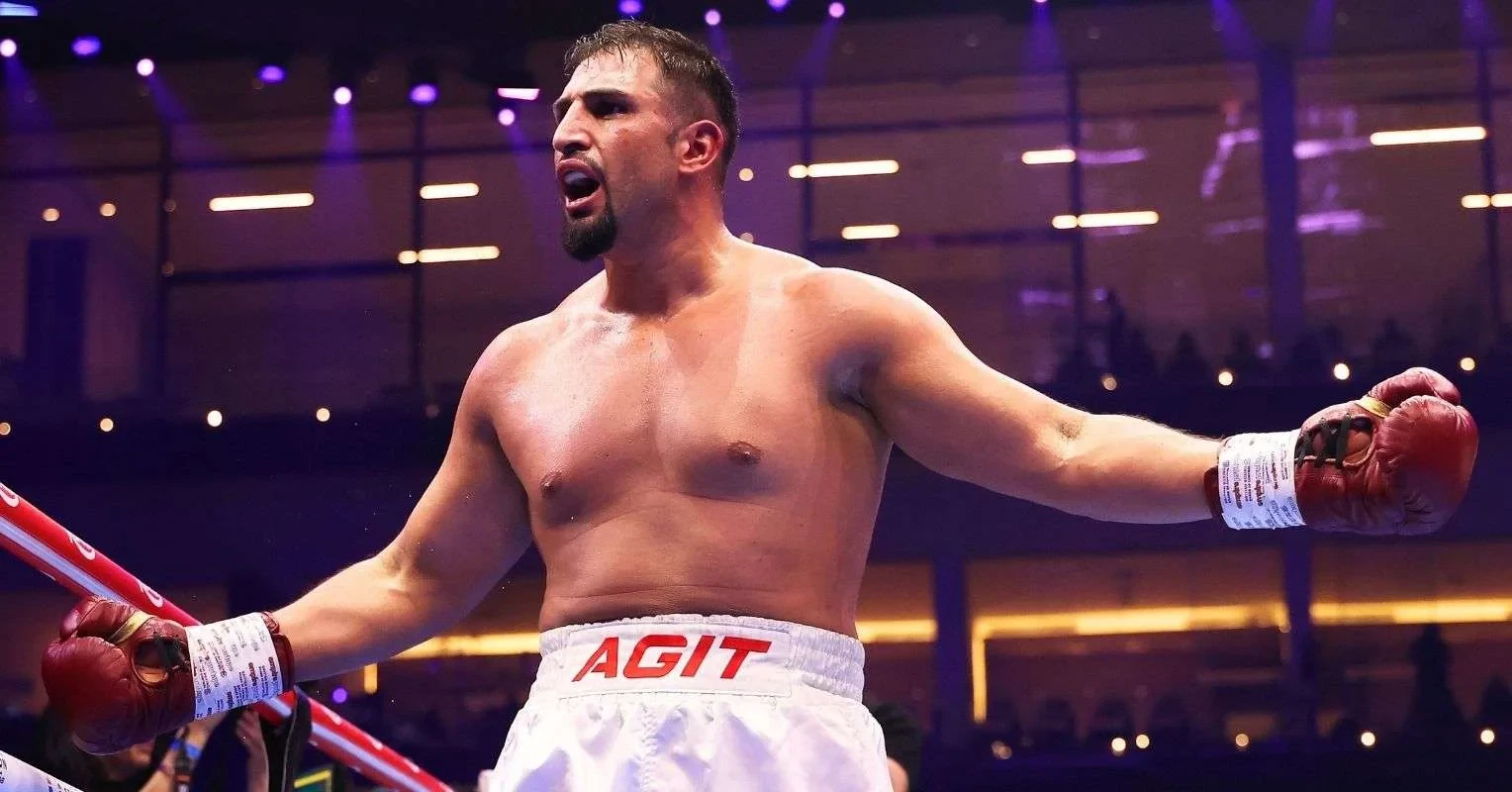
What This October 2026 Champions Snapshot Covers
A current world boxing champions list needs four things beside every name: the weight division, the sanctioning organization, the exact title designation and the date of the evidence. Without them, a genuine former champion, an interim champion and a leading challenger can all appear to hold the same championship.
This men's professional guide was checked on October 14, 2026. Its reference tables cover the 17 conventional divisions from heavyweight to minimumweight and the WBA, WBC, IBF and WBO. They preserve differences between published sources instead of presenting every cell as independently confirmed on the same day. Women's championships have their own titleholders and deserve a separate list. Additional classifications, including bridgerweight where recognized, are outside this particular matrix.
The dated starting points are the WBA's September 30 rankings and the WBO's September 28 report. The IBF's live champions page supplies its own listed holders, but several displayed acquisition dates appear inconsistent with the championship histories, so those dates are not repeated here. The WBC references below come from the other organizations' published cross-references where independent confirmation remains unavailable. That limitation is labeled beside the table.
September evidence remains September evidence even when checked in October. A fight, vacancy or ruling after a monthly report can change the position before the next edition appears. Where a later dated announcement is available, it deserves to be read alongside the table rather than silently treated as though it had been included in an earlier report.
Championship recognition also answers a different question from a pound-for-pound ranking. A champion holds a specified title; a ranking compares merits according to someone's criteria. A highly rated contender is not automatically a world champion, while an established titleholder does not automatically rank above every boxer in another division. Keep those judgments separate when evaluating an unfamiliar name.
Use the tables to identify the relevant champion and belt, then follow the source dates and qualifications. An unresolved cell is useful information: it identifies the part of a championship claim that still needs checking. Filling it with the most familiar name would make the page look tidier while making the answer less dependable.
Champions Across the 17 Main Men's Divisions
These tables compare published championship positions, with October changes incorporated where a later official report was available. WBA titles without a special label are its published World championship; interim titles are discussed separately below. “Vacant” applies only to the specified organization and division. It does not mean the entire division lacks champions.
The WBA column follows its September 30 rankings, supplemented by the October reports identified below. The WBO column follows its September 28 report, accessible through the WBO's current male rankings link. The IBF column follows its own champions page checked October 14. These are reference dates, not a claim that every organization issued a new list that day.
*Every WBC entry is a dated cross-reference from the WBA or WBO report and has not been independently confirmed against a complete WBC list. A conflict is retained where those references disagree. That qualification applies to the entire column, including familiar names.
Heavyweight Through Super Middleweight
| Division | WBA | WBC reference* | IBF | WBO |
|---|---|---|---|---|
| Heavyweight | Murat Gassiev | Agit Kabayel | Filip Hrgovic | Daniel Dubois |
| Cruiserweight, 200 lb | David Benavidez (Super); Jai Opetaia (World) | Conflict: Cieslak / vacant | Vacant | David Benavidez |
| Light heavyweight, 175 lb | Dmitry Bivol (Super) | Conflict: Benavidez / vacant | Dmitry Bivol | Dmitry Bivol |
| Super middleweight, 168 lb | Jaime Munguia | Christian Mbilli | Osleys Iglesias | Vacant |
The heavyweight references agree on four different organizational holders. That is a different picture from the historical night when Usyk assembled all four belts. At cruiserweight, the WBA separately lists Benavidez and Opetaia under different grades. Its WBC cross-reference names Michal Cieslak, while the WBO report says vacant. At light heavyweight, the comparable disagreement is David Benavidez versus vacant. Those two WBC cells remain unresolved here.

Middleweight Through Lightweight
| Division | WBA | WBC reference* | IBF | WBO |
|---|---|---|---|---|
| Middleweight, 160 lb | Erislandy Lara | Carlos Adames | Aaron McKenna | Denzel Bentley |
| Super welterweight, 154 lb | Jaron Ennis | Sebastian Fundora | Josh Kelly | Jaron Ennis |
| Welterweight, 147 lb | Teofimo Lopez (Super); Jack Catterall (World) | Ryan Garcia | Liam Paro | Devin Haney |
| Super lightweight, 140 lb | Gary Antuanne Russell | Dalton Smith | Vacant | Shakur Stevenson |
| Lightweight, 135 lb | Floyd Schofield (October report) | Conflict: vacant / Zepeda | Vacant; cross-reference differs | Abdullah Mason |
Welterweight illustrates why one name per WBA cell is sometimes insufficient: its September list names Lopez as Super champion and Catterall as World champion. At lightweight, a later October 12 WBA report confirms Schofield's title victory over Lucas Bahdi, superseding the September vacancy. That report supports the WBA change without settling every other belt.
The lightweight WBC references disagree: the WBA September page says vacant while the WBO September report names William Zepeda. The IBF's own page says vacant, whereas the WBA cross-reference still names Raymond Muratalla. The table follows the IBF's own listing for its belt and exposes the disagreement rather than treating a secondary column as a newer IBF ruling.
Super Featherweight Through Minimumweight
| Division | WBA | WBC reference* | IBF | WBO |
|---|---|---|---|---|
| Super featherweight, 130 lb | Anthony Cacace (Super); Elnur Samedov (World) | O'Shaquie Foster | Emanuel Navarrete | Emanuel Navarrete (Super) |
| Featherweight, 126 lb | Brandon Figueroa | Bruce Carrington | Angelo Leo | Rafael Espinoza |
| Super bantamweight, 122 lb | Naoya Inoue (Super) | Naoya Inoue | Naoya Inoue | Naoya Inoue (Super) |
| Bantamweight, 118 lb | Jesse Rodriguez (Super); Riku Masuda (World) | Takuma Inoue | Jose Salas Reyes; cross-reference differs | Christian Medina |
| Super flyweight, 115 lb | David Jimenez | Ricardo Malajika | Andrew Moloney | Kenshiro Teraji |
| Flyweight, 112 lb | Sergio Mendoza (October report) | Sandoval in September; later transfer not independently confirmed | Masamichi Yabuki | Anthony Olascuaga |
| Light flyweight, 108 lb | Rene Santiago (unified label); Daiya Kira (World) | Shokichi Iwata | Thanongsak Simsri | Rene Santiago |
| Minimumweight, 105 lb | Oscar Collazo (Super); Takeshi Ishii (World) | Siyakholwa Kuse | Pedro Taduran | Oscar Collazo |
At bantamweight, the IBF's own page names Jose Salas Reyes while the WBO's cross-reference names Riku Masuda. The IBF column again uses the organization's own list. At flyweight, the WBA's October 12 report confirms Mendoza stopped Sandoval in the fifth round for its championship. It does not by itself independently certify the WBC position, so that column retains the September reference and its qualification.
The WBA's light-flyweight page simultaneously prints a WBA–WBO unified label beside Santiago and a World label beside Kira. Those are reproduced as published, without inventing a resolution between them. Anyone assessing a proposed unification in that division should check a later specific championship ruling. A broad table can locate the question; the exact organizational decision supplies the answer.
Super, World and Interim: Read the Exact Title
The adjective beside a championship matters. “Super” can describe a weight division, an organization's championship grade or a special designation with particular privileges. Those meanings cannot be substituted for one another. A super featherweight champion competes in a division; a WBA Super champion holds a specified form of recognition within a division.
Two WBA Champions Do Not Mean Two Weight Classes
The WBA can list a Super champion and a World champion at the same weight. Its May 21, 2026 ruling illustrates how: the organization elevated Rolando Romero to Super champion and approved Giyasov against Catterall for the separate vacant welterweight World title. That historical ruling explains the architecture; it does not mean Romero remains the current Super holder after subsequent fights.
Keep the exact grade whenever repeating the name. Calling both simply “the WBA champion” removes information needed to understand an ordered consolidation fight or a proposed unification. Calling the World holder an interim champion would introduce a different error. The labels are separate even when informal coverage uses “regular” as shorthand.
The WBO's own Super Champion explanation explicitly distinguishes its designation from other organizations' systems. Its published explanation discusses privileges such as scheduling flexibility and consideration for mandatory status. Therefore, seeing Super beside Navarrete or Inoue does not justify copying the WBA's two-holder structure into the WBO column.
Unified and Undisputed Require a Defined Belt Set
Unified normally means a boxer holds more than one major organizational title in the same division. Modern four-body undisputed recognition brings together the WBA, WBC, IBF and WBO championships. Neither term can be established merely by adding every strap visible in a promotional photograph. Commemorative, regional and interim recognition require their own descriptions.

Inoue's repeated name across the super-bantamweight references illustrates the four-body pattern. Even there, the WBC cross-reference qualification above remains part of this article's evidence. An additional interim holder does not create a fifth major sanctioning organization. It creates another status that should be identified accurately when discussing an ordered fight.
For any claimed unification, ask which exact titles the two boxers bring and which titles will actually be contested. Two successful fighters with long championship histories do not automatically stage a unification if they no longer possess the relevant belts. The significance comes from the championships at stake on that night, supported by current sanctioning information.
How Vacancies and Promotions Change the List
A championship can change without its previous holder losing a fight. A boxer can relinquish a title, an organization can declare it vacant, or an existing interim holder can receive a different designation. Those events require a dated decision. They should not be rewritten as victories over an opponent who was never faced.
The IBF's March 23, 2026 cruiserweight statement supplies a concrete example. It says sanction for Opetaia's Glanton fight had been withdrawn and that the board voted on March 19 to vacate the championship under its unsanctioned-contest rule. The vacancy was an organizational action, not evidence that Opetaia had lost that bout in the ring.
That distinction allows two statements to coexist: a boxer can remain highly regarded for his performances while no longer holding a particular organization's title. Sporting merit, promotional recognition and sanctioning status belong in the same discussion, but each has to retain its own evidence. The IBF account establishes what the IBF decided; it does not settle every broader argument about the merits of the dispute.
A vacant title also does not instantly belong to the highest-ranked challenger. The organization's next sanctioned contest or ruling is required. The WBO's September 22 publication headed vacant super-middleweight championship negotiations identifies Alimkhanuly and Bank. That heading supports the existence of negotiations for a vacancy; it does not establish a completed fight, a winner or every practical detail of an event.
For each change, record the action precisely: won a vacant title, defeated the reigning champion, elevated from interim status, vacated voluntarily or stripped by a named organization. These are materially different routes. A list that labels every new holder simply “won title” can obscure what occurred even when the name itself is correct.
Finally, separate acquisition from defense. The first date tells you how a reign began; a successful defense tells you that the same championship was retained in a later contest. Repeated defenses do not create repeated reigns. Moving divisions and returning can produce another reign, but that requires its own acquisition event. These distinctions keep the champion count and the fight history consistent.
From Champion Names to the Next Title Fight
Once you have found a champion, the next useful question is which contest can change that particular title. Start with the organization and division from the table, then find an event-specific announcement. A familiar boxer appearing on a card is not enough to establish that every championship associated with his career is on the line.
The weekend boxing schedule helps locate the relevant card. Check the opponent, weight division and named championship before concentrating on the headline. A card can contain a world-title main event, an interim-title undercard bout and a non-title contest involving a former champion. Their stakes differ even if all three fights are promoted prominently.
Check the Sanctioned Title Before the Ringwalk
Read the latest sanctioning announcement alongside the promoter's event information. An ordered negotiation, a purse-bid process and a booked fight are different stages. The Opetaia example also shows that previously granted sanction can be withdrawn. That is why an older announcement should be checked again when the exact championship status matters.
Use a short set of questions when comparing reports:
- Does the report identify the organization and the full championship grade, including interim where relevant?
- Is the bout confirmed, still being negotiated or already completed?
- Does a later ruling change a previously advertised belt or a boxer's eligibility to contest it?
- After the fight, does the official result identify a new holder, a successful defense or a result requiring another decision?
Check the actual event status even on official websites. A module headed upcoming fights can still retain a completed contest and its result. The detail on the individual entry is more informative than the module heading. Likewise, the date a report was published is not necessarily the local date the boxers fought.
After the event, use boxing results to establish who won and how. Then confirm what happened to each sanctioned title. A clear sporting result does not automatically explain every administrative question, especially where different organizations apply different conditions.
The most useful championship note is compact and specific: boxer, organization, division, grade and dated basis. That form allows you to follow a title through a defense, a vacancy or an elevation without confusing an old belt photograph with a current claim. It also makes disagreements visible enough to investigate, instead of allowing a single undated list to decide the whole argument.
Keep reading
Related boxing articles
Fight Guides
Why UNLV Moved a Football Game for Canelo–Crawford at Allegiant Stadium
By Boxing Schedule Editorial TeamFight Guides
Boxing Ringwalks and NFL Kickoffs: A Sports Viewing Guide
By Boxing Schedule Editorial TeamFight Guides
Join the conversation
Comments
Comments are reviewed before publication. Keep the discussion useful and focused on boxing.
Sign in with Google to comment
Your public comment shows your account name. Your email address is not displayed.
Commenting as
Loading comments…