Boxing Records of All Time: Most Wins, Knockouts and Championship Milestones
Compare boxing's historical records for wins, appearances, knockouts, title defenses, divisions and age, with source differences and counting rules explained.

The Record Depends on What You Count
There is no single “best boxing record” that covers the whole sport. Most wins, most appearances, most stoppages, most successful title defenses and championships across the most divisions measure different achievements. The first step is to name the category, then keep its counting rule attached to the number.
This guide compares selected men's professional boxing landmarks, checked on October 14, 2026. It treats historical totals as attributed records rather than pretending every archive agrees. A difference between sources should remain visible when it affects the answer. The resulting table is a set of benchmarks, not a ranking of the greatest fighters.
| Category | Landmark | Counting note |
|---|---|---|
| Professional appearances | Len Wickwar: 472 in Guinness | Boxing archives publish a different total |
| Career victories | Wickwar: 342 in Guinness; 340 in BoxRec's wiki | Keep the source attached to the version |
| Successful heavyweight defenses | Joe Louis: 25 | Hall of Fame benchmark; title acquisition is separate |
| World championships across divisions | Manny Pacquiao: eight | Divisional recognition, not eight simultaneous belts |
| Oldest heavyweight title acquisition | George Foreman: 45 years, 299 days | Age when defeating Michael Moorer in 1994 |
Each distinction changes the conversation. A boxer can accumulate an enormous workload without ever winning a world championship. A champion can defend one title repeatedly without adding a new division. A fighter can retain a championship at an older age than the age at which they originally won it. None of those outcomes is contradictory; the labels simply describe different events.
The strongest records discussion therefore begins with a sentence that could be checked. “Guinness lists Wickwar with 472 professional bouts” is more precise than claiming every historical source contains exactly that total. “Louis made 25 successful heavyweight title defenses” is clearer than adding the title-winning contest and calling the larger number defenses.
Opposition remains a separate layer of evaluation. Two victories count equally in a win column, yet may reflect radically different sporting tasks. The numbers tell us where to investigate longevity, finishing ability or championship consistency. They do not eliminate the need to examine the opponents, rules, era and actual performances behind them.
Most Fights and Wins: Len Wickwar's Extraordinary Workload
Len Wickwar is the central name in discussions of professional boxing's activity records. The Leicester boxer competed in the period Guinness identifies as 1928 to 1947, and the scale of his workload dwarfs the career totals familiar from modern championship broadcasts. His achievement is repeated participation and accumulated victories across a long professional career.
Keep appearances and wins separate. A career containing hundreds of contests also contains its defeats, draws and any other recorded outcomes. Describing an appearance total as a winning streak would change the achievement completely. Wickwar's place in this discussion does not depend on maintaining an unbeaten record.
Why Guinness and Boxing Archives Show Different Totals
The Guinness entry lists 472 professional bouts and 342 wins. BoxRec's wiki entry instead describes at least 473 bouts and 340 victories. Those are two published versions, checked on the same research date. They should not be merged into a new line assembled from whichever component looks most impressive.
The pages inspected do not establish exactly how to reconcile the difference. It would therefore be speculation to claim that one particular missing fight, newspaper decision or no contest explains it. Historical records can change as evidence is found, but that general possibility is not proof of the cause in this specific case.
For a comparison, choose a version and identify its source. For a biographical investigation, compare the individual bouts and the underlying documents. A short record-holder article and a continuously researched career archive can have different updating practices and inclusion decisions. The responsible response is to make the discrepancy visible, then investigate it at bout level if the exact total is essential.
The larger sporting point survives the difference between 472 and 473. Wickwar represents a professional workload measured in hundreds of appearances, with victories accumulated across repeated competition. That is a meaningful historical achievement even without converting the total into a claim that he faced hundreds of championship-level opponents.
When comparing that career with a modern champion, ask what the number is supposed to prove. If the question is sustained activity, Wickwar's workload is the relevant evidence. If the question is performance against the best available opposition, the opponent list and fight circumstances matter more. A fighter with fewer appearances can have the stronger elite résumé, while the activity record remains with the boxer whose career involved many more contests. Both observations can be true.
Most Knockouts: Volume, Percentage and Opposition
Billy Bird's professional page on BoxRec lists 139 knockout wins. That makes him a central reference for the career-stoppage discussion. It does not, by itself, settle every historical list or prove that Bird generated the greatest force with a single punch. Counted finishes and physical punching power are related questions with different evidence.
Billy Bird and Archie Moore Belong in Different Conversations
The Bird career header shows 260 wins and 139 KOs across a career listed as 1920–1948. Archie Moore brings championship achievement into the comparison: the Hall of Fame describes his long light-heavyweight reign after winning the title in 1952. Those are different kinds of sporting context around a large stoppage total.
Moore's published numbers illustrate why a source label matters. The Guinness entry gives 145 finishes classified as knockouts, with an explicit qualification that 129 were in professional bouts. The Hall of Fame page itself presents 130 KOs in its statistical table and 141 victims in its narrative. Those versions cannot responsibly be presented as one consistent professional total.
Bird's currently displayed 139 is therefore the clear attributed figure to use for his professional page; Moore's competing totals need their own scope and source. A list that compares Bird's professional number with Moore's broader Guinness number without that qualification is answering an ill-defined question. The honest outcome is a documented comparison, rather than a supposedly definitive table built from incompatible counts.
A Knockout Rate Is Not a Measure of Punching Power Alone
Check the denominator before comparing percentages. Bird's 139 divided by his 260 wins is approximately 53.46 percent. Dividing the same 139 by the header's 356 appearances gives approximately 39.04 percent. Both calculations can be useful, but they describe different things. A percentage without a definition invites a misleading comparison.
Then consider opportunity and opposition. A boxer who competes many more times has more opportunities to accumulate stoppages. A fighter facing durable championship opposition may produce fewer quick finishes than one meeting opponents with little experience. Scheduled distance matters too: a contest with more rounds offers a different window in which pressure, body work and fatigue can lead to a finish.
To discuss power, watch how the stoppages happened. A clean counter that interrupts an opponent's attack, a sustained combination against the ropes and a retirement after accumulated punishment all add a win, yet reveal different skills. The career count identifies an extraordinary body of work. Film and opponent context explain the kind of finisher behind it.
Championship Records Need Their Own Scorecard
A world-title record needs a definition of the championship being counted. Winning a vacant belt, defending an existing title, unifying organizations and moving into a new weight division are different achievements. The photograph of a boxer surrounded by belts does not tell you how many title fights they won or how many divisions they conquered.
Joe Louis and the Meaning of 25 Successful Defenses
The International Boxing Hall of Fame credits Joe Louis with 25 successful heavyweight title defenses. The title-winning bout is separate from those defenses. That distinction prevents one of the most common statistical errors: adding the acquisition to the defense column, then presenting the larger total as if it measured the same thing.
Nor does defending several recognized belts in one contest automatically produce several separate defense victories. The unit of comparison must stay consistent. If one table counts bouts and another counts individual organizations' belts, the totals need different labels. A historically informed discussion should explain that choice before comparing champions across eras.
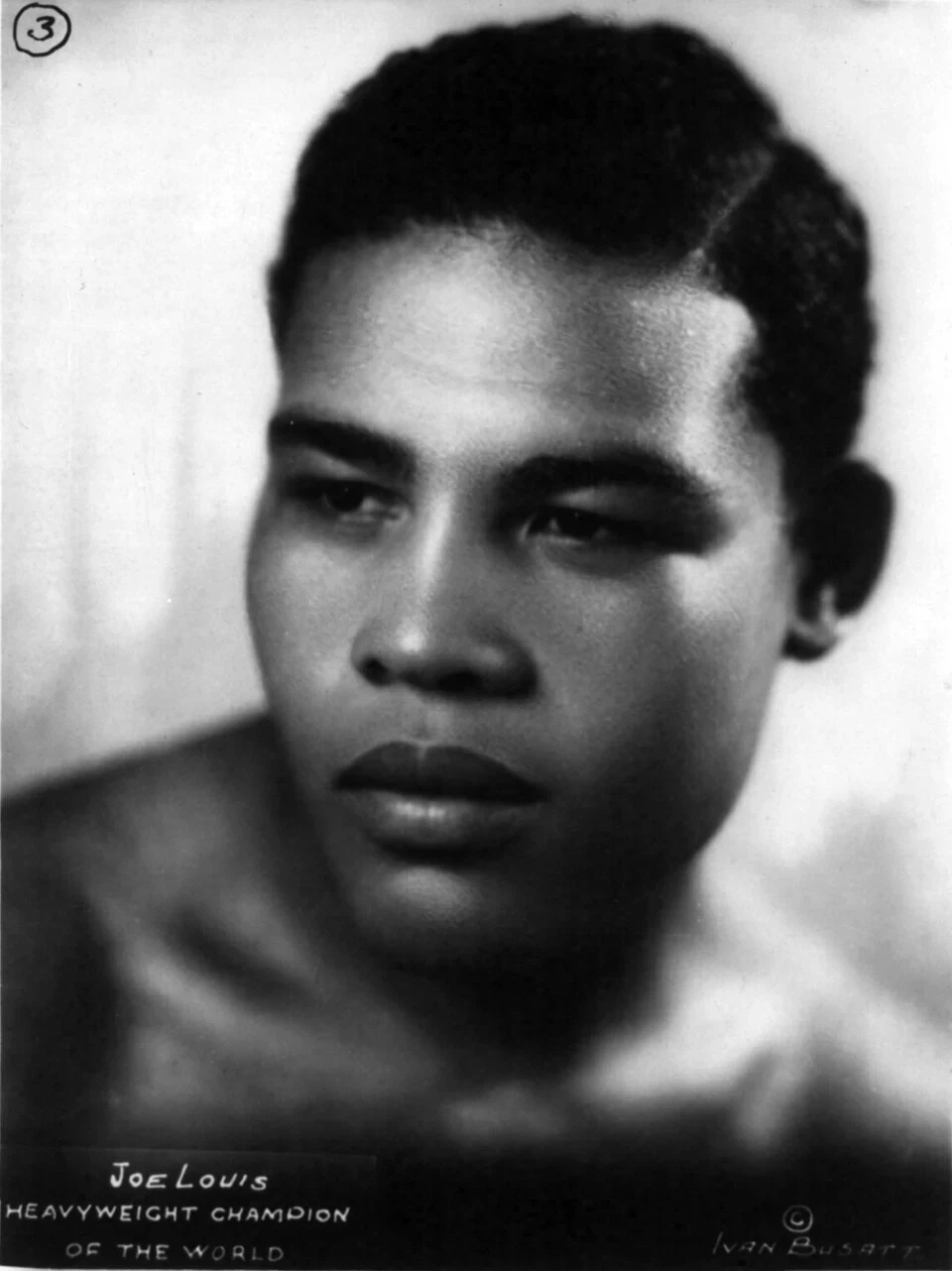
One contest explains more than the aggregate. Against Billy Conn on June 18, 1941, Louis won by knockout at 2:58 of round thirteen in a scheduled fifteen-round fight. The archival bout account records Conn ahead on two cards and level on the third after twelve rounds. This was not merely another easy entry in a defense total.
As an example of championship resilience, the fight shows why the circumstances matter. A champion may have to find a late finish after losing the tactical argument for long stretches. The same win column can contain both controlled dominance and a recovery from danger. Studying those differences makes Louis' record more informative than simply repeating twenty-five.
Pacquiao's Eight Divisions and Foreman's Late Title Win
Guinness credits Manny Pacquiao with eight divisional championships, completed when he defeated Antonio Margarito on November 13, 2010. That achievement measures movement through weight categories, not eight belts won in one fight or eight simultaneous undisputed championships.
The recognition rule matters. The listed eight are flyweight, super bantamweight, featherweight, super featherweight, lightweight, light welterweight, welterweight and super welterweight. The Guinness account includes The Ring recognition at featherweight and light welterweight. It should not be rewritten as eight divisions in which he collected a title from each of today's four major sanctioning organizations.
Moving through divisions changes the physical problem: opponents' reach, resistance to punches and ability to impose their weight can all change. Winning repeatedly within one division tests consistency against its challengers; winning across divisions tests adaptation. Choosing which achievement you value more is an editorial judgment, not a calculation settled by comparing eight with twenty-five.
For a fan watching those weight changes, the interesting questions are technical. Does a familiar combination still move the opponent back? Can the smaller boxer get into punching range without taking a clean jab? Is an exit quick enough when the opponent's reach extends farther? These are questions to examine on film, rather than conclusions supplied by the championship count. The title records the successful outcome; the performance explains how the boxer made the new weight work.
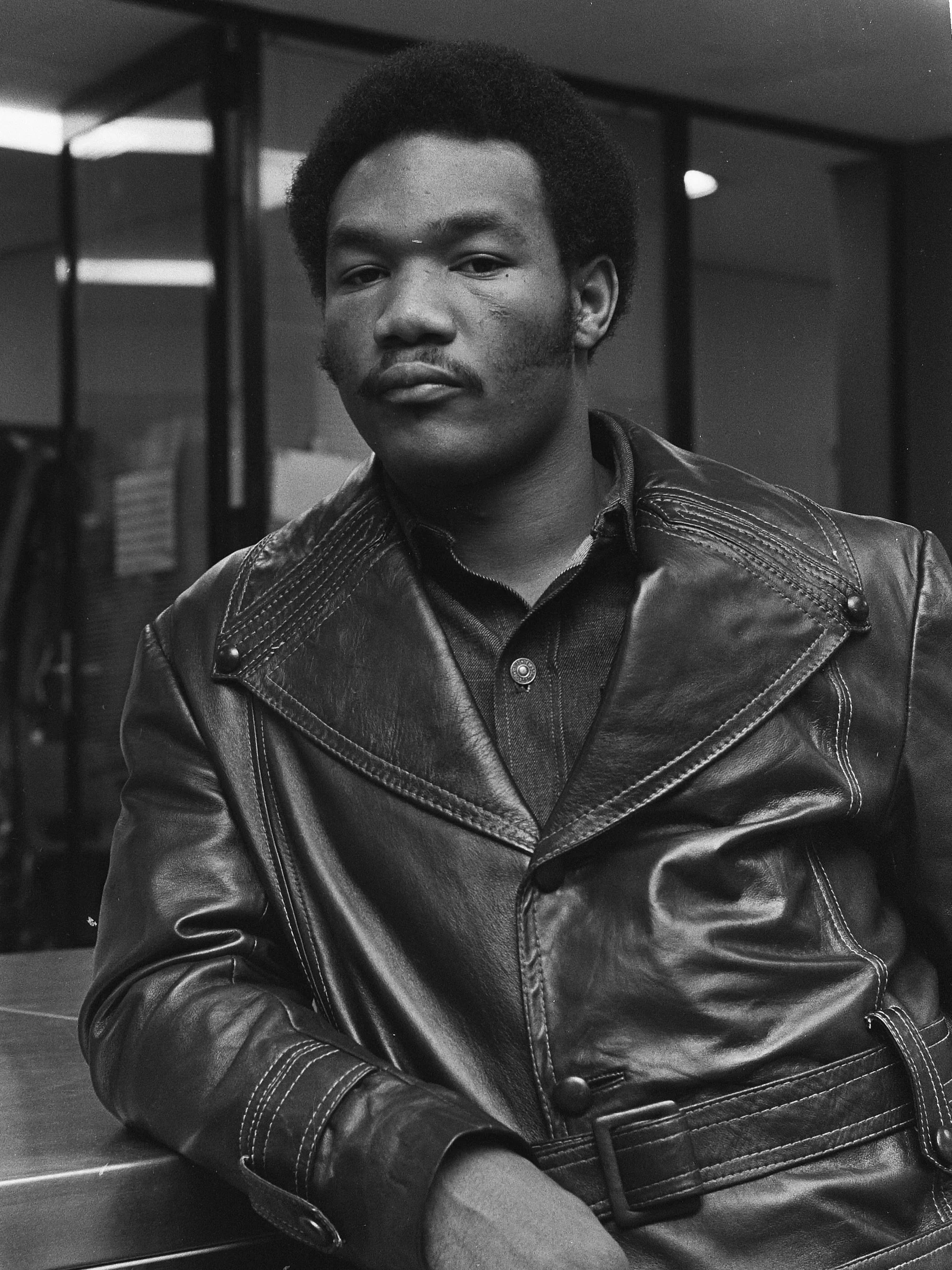
Foreman's age record also needs the exact event. He knocked out Michael Moorer in round ten on November 5, 1994, becoming heavyweight champion at 45 years and 299 days according to Guinness. Age when winning the championship differs from age while subsequently holding or defending it. A later birthday does not change the age of the original title-winning performance.
These examples reward precise language. Louis supplies a successful-defense benchmark, Pacquiao a divisional-range benchmark, and Foreman an age-at-acquisition benchmark. Each tells a substantial boxing story. None needs to be forced into a single numerical league table to make the achievement impressive.
The same principle applies when a broadcast celebrates a milestone tonight. Listen for the complete description: a defense of which title, at which weight, or a championship won at what age? Keeping those qualifiers makes it easier to recognize a real achievement without accidentally assigning it a different historical record.
How to Compare Records Without Turning Them into a GOAT Ranking
A statistical record can be established without settling a greatest-of-all-time debate. The latter needs value judgments about opposition, peak ability, longevity, weight changes and historical opportunity. A win column can inform those judgments, but it does not choose the weights you give them.
Start any comparison with four questions. What category is being measured? Which contests are included? What source and date support the total? What sporting context is missing from the number? If those answers differ between two fighters, fix the comparison before drawing a conclusion from it.
- Activity: compare appearances with appearances, then investigate how often the boxer competed and whom they faced.
- Finishing: distinguish total stoppages, consecutive stoppages and a defined percentage. Examine the actual finishes rather than assuming identical causes.
- Championship consistency: separate a title acquisition from successful defenses and count bouts consistently across multiple belts.
- Range and longevity: identify the weight divisions and championship-recognition rule, or the exact date on which an age milestone was achieved.
Opponent context deserves the same care as the headline total. A famous name may have been developing, at their peak or well past it when the contest occurred. A rematch can ask a different tactical question from the first meeting. A win at a new weight can involve a different physical challenge from another defense at a familiar limit. Those differences belong in the evaluation even though the record gives each victory one mark.
For current fighters, use a dated snapshot. The latest boxing results show where new outcomes enter the conversation, while the weekend schedule identifies the next test. Neither an unbeaten run nor a high stoppage percentage guarantees what will happen when the opposition changes.
Historical disagreement need not spoil the discussion. You can credit Wickwar's extraordinary activity while identifying the published versions of his total; discuss Bird's 139 listed professional knockouts while explaining why Moore's differently scoped figures should not be mixed in; and appreciate Louis, Pacquiao and Foreman for the distinct records they established. Precision makes those stories stronger, because the reader can see exactly what each achievement means.
Keep reading
Related boxing articles
Fight Guides
Why UNLV Moved a Football Game for Canelo–Crawford at Allegiant Stadium
By Boxing Schedule Editorial TeamFight Guides
Boxing Ringwalks and NFL Kickoffs: A Sports Viewing Guide
By Boxing Schedule Editorial TeamFight Guides
Join the conversation
Comments
Comments are reviewed before publication. Keep the discussion useful and focused on boxing.
Sign in with Google to comment
Your public comment shows your account name. Your email address is not displayed.
Commenting as
Loading comments…