Boxing for Kids: Best Starting Age, Safety, Costs and First-Class Guide
A practical parent guide to starting ages, non-contact training, sparring decisions, safety, equipment, costs and choosing a responsible youth boxing gym.
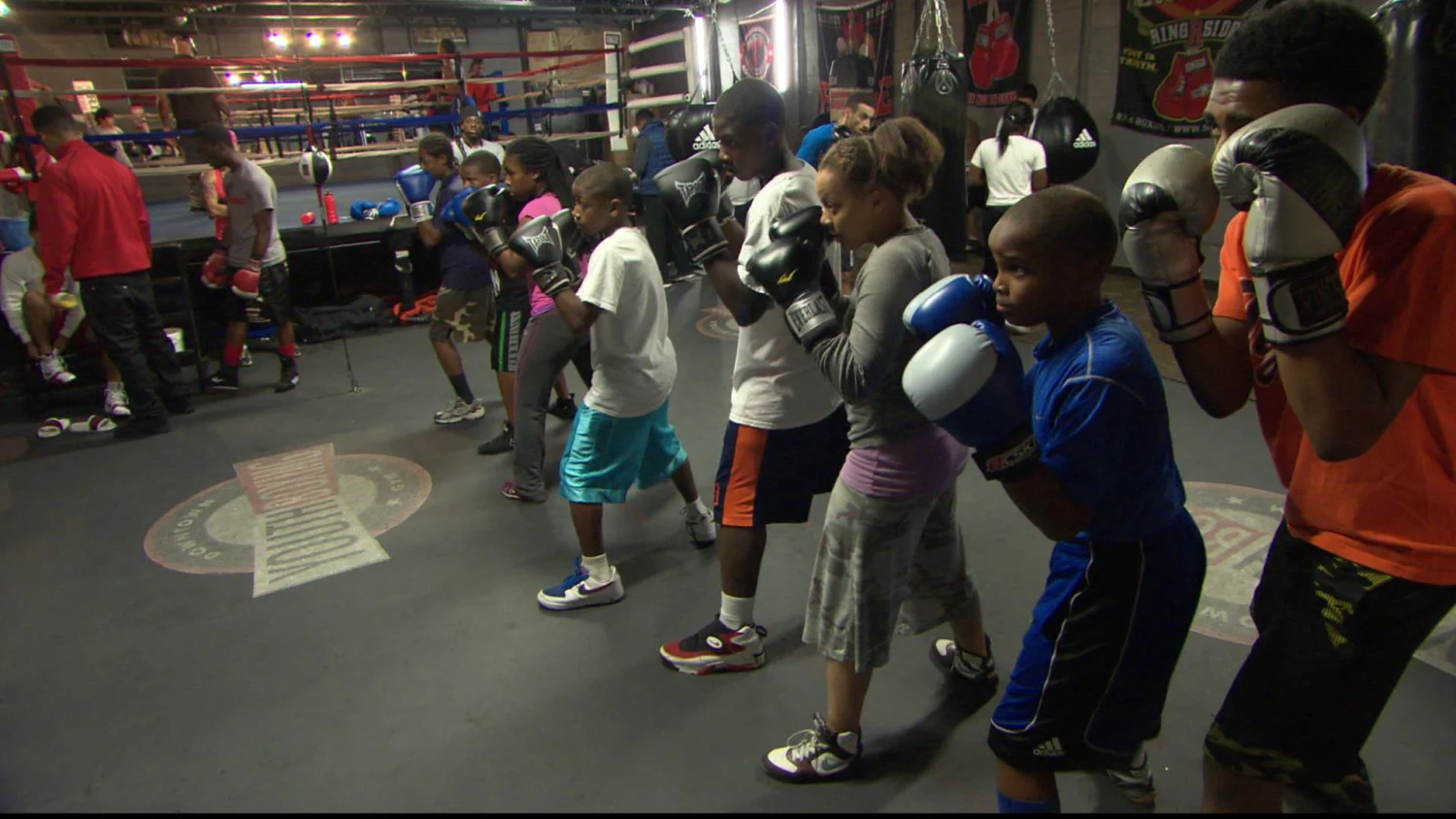
A child can learn boxing without ever being punched. That is the most useful starting point for a parent weighing a nearby class. “Boxing for kids” may describe anything from playful footwork and mitt drills to supervised sparring and sanctioned amateur competition. Those are not interchangeable activities, and a gym should tell you exactly which one it offers before you sign a contract.
This guide is deliberately cautious. It explains what age-appropriate training can look like, what medical concerns surround head contact, how to inspect a gym, and what a first month may cost. It is not medical clearance for your child. Discuss individual health conditions, previous concussions, vision problems, medications, and return-to-sport questions with a qualified pediatric clinician.
Is Your Child Ready for Boxing?
There is no birthday on which every child suddenly becomes ready. The better question is whether the class matches the child's present physical, emotional, and social skills. The American Academy of Pediatrics describes sports readiness in those broader terms. A six-year-old who enjoys copying movement, listens when a coach says “stop,” and can name discomfort may fit a playful non-contact class better than an older child who feels pressured or cannot yet respect boundaries.
Learning to Box Is Not the Same as Sparring
Boxing technique begins long before contact. A beginner can learn a balanced stance, keep the rear heel light, move without crossing the feet, return the jab to the guard, and breathe through short combinations. Shadowboxing supplies no target. A heavy bag absorbs punches. Focus mitts let a coach cue distance and accuracy. Skipping and agility drills develop rhythm. None requires two children to trade blows.
Sparring is different: another boxer is trying to touch or land while defending in real time. Even when the pace is controlled, it adds unpredictable impact and decision pressure. A parent should therefore ask two separate questions: “Can my child join the class?” and “Does this class include any contact with another child?” Consent to the first is not automatic consent to the second. Watching elite boxers on the boxing schedule for tonight may spark interest, but a professional fight is not a template for a first youth lesson.
Readiness Matters More Than One Perfect Birthday
Look for practical signs. Can the child follow a two-step direction, wait while a partner takes a turn, control a punch when told to go lightly, and stop immediately on a whistle or verbal cue? Can the child accept a correction without feeling humiliated? Most importantly, can the child say that something hurts, that equipment feels wrong, or that an activity feels frightening?
For very young children, instruction should look more like guided play than a miniature fight camp. Short demonstrations, balance games, simple movement patterns, and generous breaks fit limited attention spans. Readiness can also change from day to day. A good coach scales the drill; a poor one labels hesitation as weakness. The right starting age is the point at which the child wants to participate and the program can meet that child without using contact as a test of courage.
Starting Ages: What Training Should Look Like at Each Stage
Age bands are useful only when they describe an appropriate lesson. They should never function as a countdown to sparring. The same child may be ready for a playful footwork class at six, technical bag work at nine, and still have no interest in contact at fourteen. That is a valid boxing path.
Ages 5–7: Movement, Listening and Zero Contact
At this stage, a boxing-themed session should resemble physical literacy with gloves. Think balance games, stepping forward and back without tangling the feet, copying a stance, tapping a coach's mitt, and throwing one straight punch at a soft target. Demonstrations need to be short, language concrete, and activity blocks brief. The American Academy of Pediatrics' parent guidance notes that many children younger than six do not yet have the motor skills for conventional organized sport, so play and show-and-tell instruction matter more than technical volume.
There is no reason for boxer-to-boxer contact. A five-year-old does not need to “test a chin,” learn to endure punches, or complete adult conditioning. Success means following a stop command, enjoying movement, and leaving eager to return.
Ages 8–10: Fundamentals Without a Rush to Compete
Many children can now retain a few connected details: stance width, hands returning to guard, the jab traveling straight, and feet setting the range before a punch. Coaches can introduce numbered combinations, simple slips, pivots, and timed bag rounds, provided technique stays more important than force. Partner drills can remain cooperative—for example, one child presents a padded target while the other works at an agreed pace.
USA Boxing registration begins at eight, and its youngest competition band includes ages eight through ten. That is an eligibility boundary, not a recommendation that an eight-year-old enter a bout. A responsible family can spend years in non-contact training, and a responsible coach will not use the rulebook's minimum as a sales pitch.
Ages 11–14: Technique, Conditioning and Carefully Controlled Choices
Preteens and early teenagers can usually process more tactical information. They may learn how a jab controls distance, why a boxer exits at an angle after a combination, how to block a straight right, and how body position creates power without arm-swinging. Conditioning can become more structured, but it should still respect growth, recovery, school load, and participation in other sports.
If sparring is even considered, it deserves a fresh conversation among the child, parent, coach, and clinician—not an assumption based on attendance. The child must understand that saying no or stopping is always permitted. Matching should consider size, skill, composure, and experience, not merely age. An advanced child should not become the gym's convenient opponent for everyone else.
Ages 15–17: Greater Independence With Adult Safeguards
Older teenagers can take more ownership of goals, whether those goals are fitness, technical mastery, or amateur competition. Sessions may include layered combinations, feints, counterpunching, inside positioning, and tactical rounds. They can also help track sleep, soreness, school stress, and training load. Greater maturity, however, does not make the brain or eyes expendable.
Parents should still know the contact plan, observe periodically, and insist that injuries are reported. Weight cutting is not a harmless rite of passage, and rapid dehydration has no place in a casual youth program. A teenager who loves boxing but dislikes competition can continue on mitts, bags, footwork, and conditioning. The sport does not become meaningful only when a result is recorded.
The Safety Conversation Parents Should Have
No honest guide should call youth boxing “safe” without defining the activity. Non-contact drills still carry ordinary exercise risks: a child can trip, strain a muscle, hurt a hand on a poorly maintained bag, or overheat. Sparring adds intentional impacts from another boxer, including impacts to the head. Equipment, coaching, and rules can reduce exposure; they cannot turn head contact into a zero-risk activity.
Why Head Contact Changes the Risk
A concussion is a traumatic brain injury. It can follow a direct blow to the head or a hit to the body that makes the head and brain move rapidly. The influential 2011 policy statement from the American Academy of Pediatrics and Canadian Paediatric Society opposed boxing for children and adolescents because the sport rewards blows to the head and face. The publication page now states that the policy was retired in March 2025, an important status detail; retirement does not make the underlying mechanism disappear.
Parents should also avoid a common equipment misconception. Gloves primarily protect hands and change the striking surface. Headgear may help with cuts and some facial contact, but it should never be sold as a guarantee against brain injury. The safest way to remove intentional head blows from a child's session is to choose a no-sparring program. If a family later considers contact, a pediatric clinician familiar with the child's history belongs in the decision.
What a Responsible Gym Does to Reduce Harm
A strong program has a written contact policy and explains it before enrollment. Coaches separate novices from sparring, match any contact by size, maturity, skill, and experience, and stop a round when control deteriorates. They inspect bags, anchors, gloves, ring surfaces, and floor space. They provide water breaks, teach hand wrapping and punching alignment, keep beginners' rounds short enough to preserve technique, and maintain an emergency plan with current contacts.
For sanctioned competition, medical requirements are more formal. USA Boxing's medical handbook, revised in May 2026, says registered boxers receive annual medical examinations and that unresolved post-concussion symptoms need clearance from a qualified licensed physician. A local recreational class may not be operating as a sanctioned contest program, so parents must ask what medical and incident procedures actually apply in that room.
Symptoms That End the Session
After any bump, blow, or jolt, stop participation for a headache, dizziness, nausea, balance trouble, vision change, unusual fatigue, confusion, slowed answers, concentration problems, or a noticeable change in mood or behavior. Symptoms may appear later. The CDC's rule is clear: remove an athlete immediately when concussion is suspected, do not allow a same-day return, and leave clearance to a healthcare provider. “He seems fine now” is not a return-to-sparring protocol.
Seek emergency care for danger signs.
Call emergency services or go to an emergency department for a seizure, repeated vomiting, worsening headache, unequal pupils or double vision, slurred speech, weakness or poor coordination, increasing confusion, inability to recognize people or places, or increasing drowsiness/inability to wake. This is not an exhaustive diagnosis tool.
Do not confuse a boxing result with a health judgment. A KO or TKO on the professional boxing results page records how a bout ended; only a qualified healthcare provider can assess a young athlete after a possible concussion.
What Happens in a Child’s First Boxing Class
Formats vary, but a well-run first lesson should feel organized rather than intimidating. The objective is not to discover how hard a child can punch. It is to introduce the room, establish safety commands, see how the child moves, and teach one or two details clearly enough that the child can repeat them with control.
Before the Bell: Check-In, Clothing and Expectations
Arrive 15–20 minutes early. That gives the parent time to complete health and emergency-contact forms, disclose relevant conditions or previous injuries, meet the coach, and ask whether the session is entirely non-contact. The child needs comfortable athletic clothing without loose jewelry or hard accessories, clean indoor shoes if the gym requires them, and a labeled water bottle. Ask before buying gloves; many programs lend a pair for a trial.
The coach should explain the stop signal, boundaries around bags and the ring, and how partners take turns. A quick equipment tour also matters: bags swing, skipping ropes occupy space, and a boxing ring has ropes and raised edges. Clear traffic rules prevent the ordinary collisions that have nothing to do with punching.
During Class: Stance, Footwork, Mitts and Bags
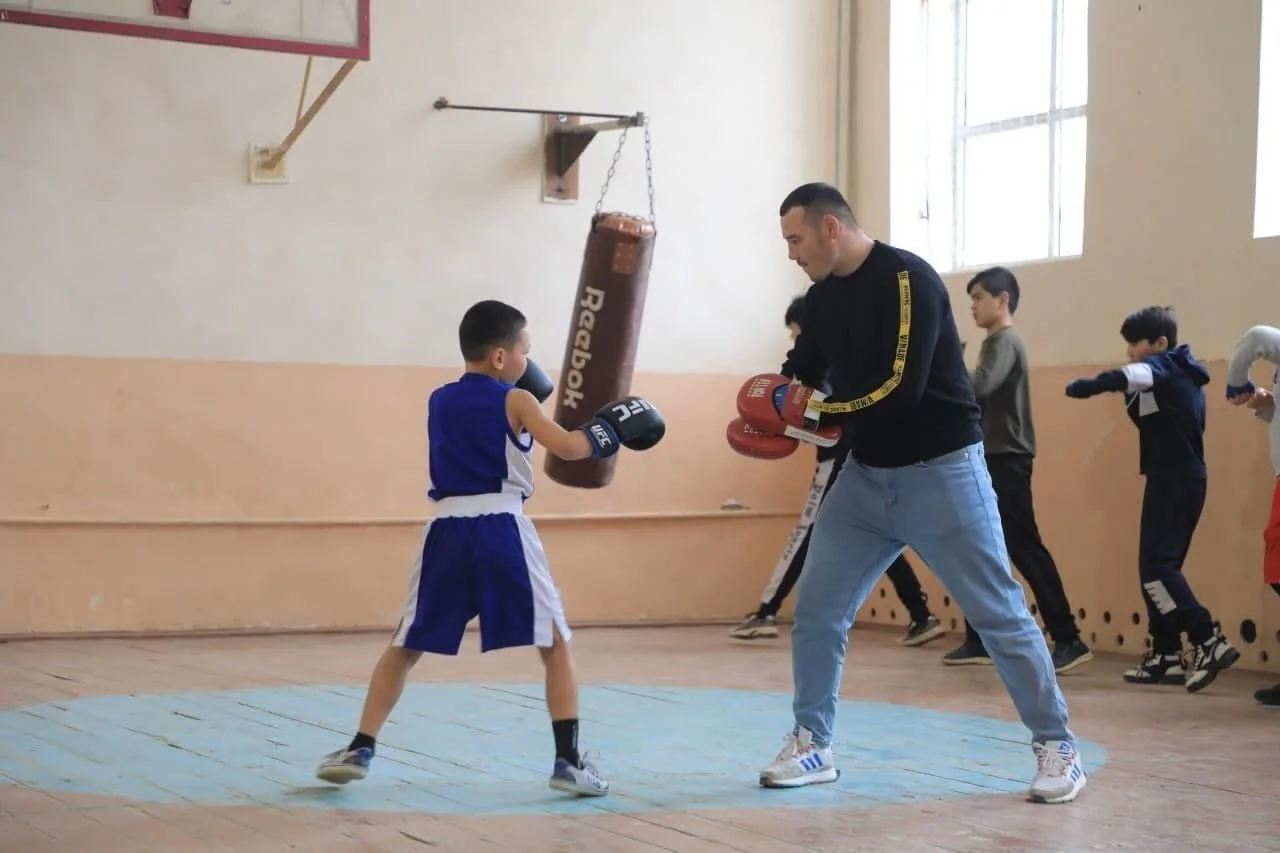
Expect a general warm-up followed by boxing movement. The coach may help the child find an orthodox or southpaw stance, keep a stable base, raise the guard, and step without bringing the feet together. One straight punch—the jab—is enough material for a true beginner when it includes balance, a relaxed shoulder, a straight path to the target, and a quick return to guard.
Shadowboxing lets the coach see posture without impact. Mitts add a clear target and immediate feedback. Bag work should begin only after the punch has been demonstrated, because a heavy bag rewards force even when the wrist and elbow are badly aligned. England Boxing's coaching handbook advises short beginner rounds: as fatigue rises, technique tends to fall. A good coach pauses and corrects rather than celebrating sloppy volume.
After Class: The Questions Worth Asking
Ask the child open questions before supplying an answer: “What did you enjoy?”, “What felt confusing?”, and “Did anything hurt or make you uncomfortable?” Then ask the coach what the next four weeks emphasize, how progress is assessed, whether the same adult leads each class, and exactly when partner contact is introduced. If the answer to the last question is vague, obtain clarity before returning.
Normal first-day tiredness is not proof of quality, and pain is not a badge. The useful signs are simpler: the child was addressed respectfully, could hear instructions, received a specific correction, had enough room to work, drank water, and finished with technique still under control. If the family enjoys following the sport outside class, the professional boxing calendar can provide shared viewing plans—but the child's own progress should stay measured by learning, not comparison with televised fighters.
How to Choose a Youth Boxing Gym and Coach
Searching “boxing near me for kids” produces a distance list, not a quality ranking. The closest room may be excellent, but convenience cannot answer who supervises minors, how contact is controlled, or whether a child can decline a drill. Treat a trial visit as an observation, not merely a free workout.
Questions Good Coaches Answer Clearly
Ask who leads the youth class, which coaching and safeguarding credentials are current, and how parents can verify them. If the program claims USA Boxing affiliation, use the official club directory and ask which adults hold current coach registrations. A local USA Boxing committee's instructions, for example, describe annual registration plus SafeSport and Green Coach certification steps. Requirements can change, so verify rather than relying on an old certificate hanging on a wall.
Request the written contact policy. At what stage, if ever, does sparring begin? Is parental permission separate? Can a child remain non-contact indefinitely? How are partners matched, who stops the round, and what happens after a suspected concussion? Also ask about coach-to-child ratios, background screening, two-adult or observable-interaction practices, bathroom/changing arrangements, transport, photography, and the process for reporting a concern.
A good coach welcomes precise questions. The answer may vary by program, but it should not be evasive. “We know when they're ready” is incomplete; readiness criteria should include technique, control, desire, size, maturity, experience, and medical considerations—not obedience to pressure.
Red Flags You Can See in One Visit
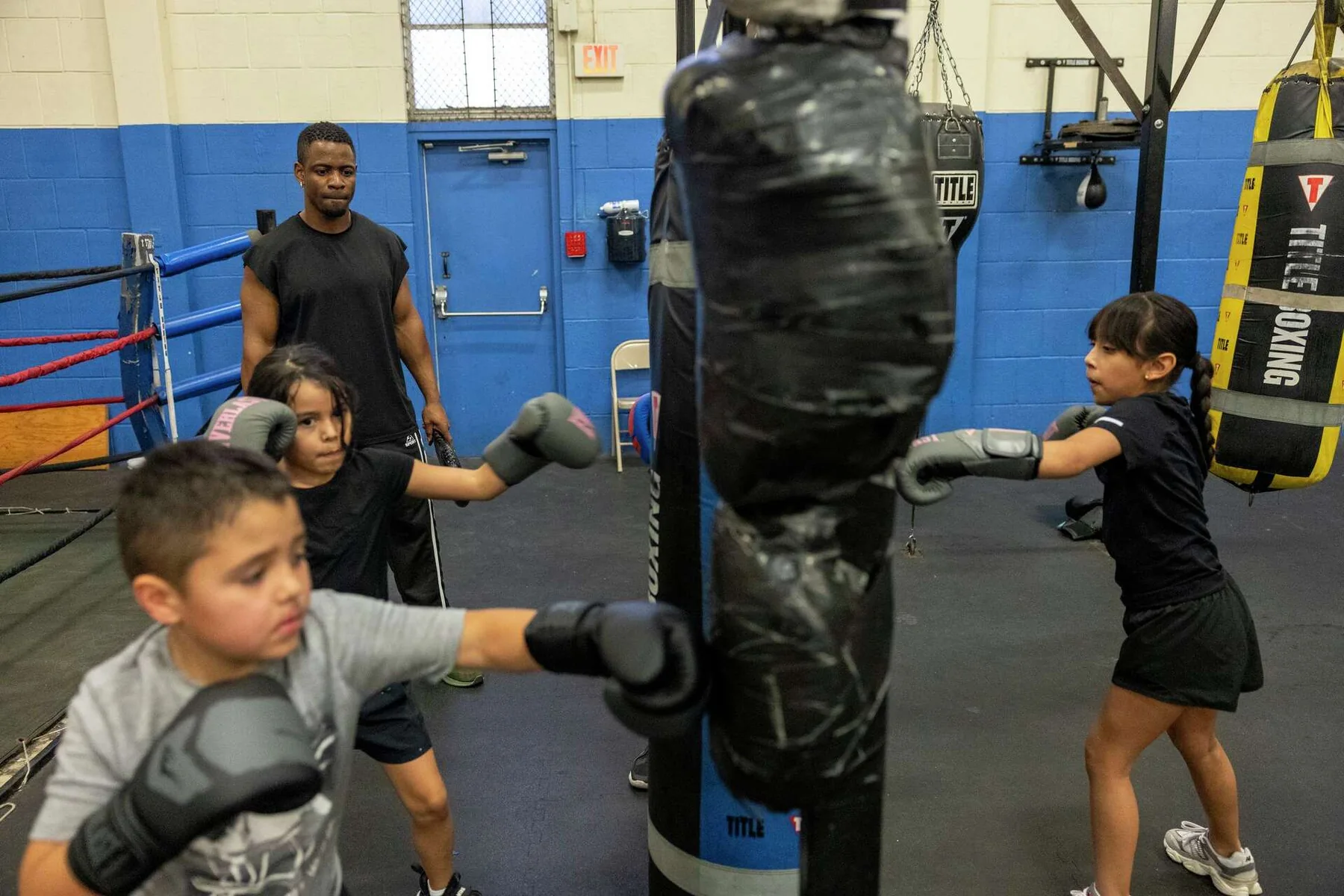
Leave if children are mocked for fear, pain, body size, or lack of aggression. Constant shouting, insults, threats, and unrealistic pressure are not “old-school discipline.” England Boxing's safeguarding handbook identifies constant criticism, name-calling, taunting, and pressure to meet inappropriate standards as forms of emotional abuse. A child should be corrected specifically—“bring the jab back to your cheek”—without being degraded.
- Beginners are sent to hard sparring before learning stance, defense, and stop commands.
- Large or experienced children are casually paired with much smaller novices.
- Damaged gloves, exposed anchors, torn bags, wet floors, or crowded stations are ignored.
- Parents are never allowed to observe and the gym cannot explain its adult-minor interaction rules.
- The coach treats headache, dizziness, or confusion as weakness and suggests “walking it off.”
- Long prepaid contracts are pushed before the child has completed a trial and met the regular coach.
The most informative detail may be how the coach treats the least skilled child in the room. Champions on the wall show competitive history; they do not prove that today's beginner class is safe, kind, or well taught. Choose the adults and the culture first. Equipment and trophies come second.
Costs and Equipment: A Sensible First-Month Budget
There is no reliable national price for children's boxing. Rent, class frequency, nonprofit subsidies, coach time, and city all matter. A marketplace estimate currently spans roughly $60–$200 per month, while individual sessions may range much wider. Use that only to set expectations; compare the full local cost in writing.
Class Fees, Registration and the Costs Behind the Advertised Price
Ask for a one-page fee sheet covering the trial, enrollment charge, monthly dues, minimum term, cancellation notice, annual registration, required clothing, equipment, private lessons, and competition travel. One gym's published 2026 pricing, for example, lists a $29.99 trial and $149 monthly children's plan tied to a three-month commitment, alongside a more expensive no-commitment option. That illustrates why “$149 per month” is not enough information.
Calculate cost per class using a realistic attendance pattern, not the word “unlimited.” A child attending twice weekly may get excellent value from a modest group plan; a long commute or school conflict can make the same plan wasteful. Ask about sibling rates, scholarships, community recreation programs, pause policies, and whether missed classes roll over. Avoid a large prepaid commitment before meeting the regular coach and observing the class your child will actually attend.
What to Borrow First and What to Buy Later
For a trial, the safest shopping list is often no shopping list: comfortable clothes, suitable shoes, and water, with the gym providing loaner gloves. Once the child commits, personal hand wraps are inexpensive and hygienic. Buy gloves only after the coach specifies what is required for bag work or other drills and checks the fit. Ounce labels describe glove weight, not a universal age chart.
A mouthguard belongs to contact activity, not ordinary shadowboxing. Headgear and groin or chest protection are not first-week purchases unless a qualified program explains a specific need. Sanctioned amateur contests use certified equipment and event rules; those requirements are different from recreational training. A home heavy bag is also optional. Several coached months are more valuable than an expensive bag that reinforces a bent wrist or off-balance punch.
| Stage | Reasonable commitment | Delay for now |
|---|---|---|
| Trial | Water and suitable clothing; use inspected loaner gear | Long contract, home bag, sparring kit |
| First month | Personal wraps and coach-approved training gloves | Premium shoes or competition equipment without a need |
| Later progression | Replace worn gear; add only items required for agreed drills | Any contact equipment used as pressure to spar |
Fit, Cleaning and Replacement Matter More Than Brand Names
A glove should let the child make a comfortable fist, keep the thumb in a natural position, and secure the wrist without numbness or slipping. The coach should demonstrate the wrap rather than letting a child pull it painfully tight. After training, remove and unroll wraps, open glove closures, wipe accessible sweat, and air-dry everything fully outside a sealed bag. Follow the maker's material-specific instructions; soaking padded gloves or blasting them with heat can damage foam, lining, and adhesives.
Inspect padding and seams every week. Retire gloves when padding becomes flat, hard, lumpy, or displaced; when foam is exposed; when the thumb attachment or seam opens; or when the closure no longer stabilizes the wrist. Clean equipment is not cosmetic. It is part of respecting the child's skin, hands, training partners, and the shared gym.
From Recreation to Competition: A Family Decision, Not a Deadline
Competition is an optional branch of youth boxing, not the graduation ceremony for every child who learns to jab. A young boxer can train for years, improve fitness and confidence, and never enter a sanctioned bout. That is a complete and worthwhile experience. If competition does become interesting, the decision should begin with the child’s own clearly expressed wish, followed by a coach’s honest assessment and a medical review—not by a calendar, a parent’s ambition or pressure from teammates.
What USA Boxing Age Categories Actually Mean
Parents will encounter labels such as Pee Wee, Bantam, Intermediate, Junior and Youth. A USA Boxing Metro guide, for example, lists Pee Wee as ages 8–10, Bantam as 11–12, Intermediate as 13–14, Junior as 15–16 and Youth as 17–18. These bands help organizers determine eligibility and possible matches. They are not promises that every child in an age band is emotionally, technically or physically ready to compete. Tournament fact sheets can also apply a particular age-determination date, so families should always check the current event documents rather than relying on an old chart.
Sanctioned competition brings formal requirements that ordinary classes do not. USA Boxing membership information explains that competitors need a passbook and documentation of a yearly physical. Its 2026 medical handbook calls for annual examinations and a pre-competition evaluation that considers injuries, suspensions, unusual blows to the head, blackouts, concussion symptoms and neurological status. The same handbook advises athletes to compete near their natural weight rather than use forced weight loss. Those rules are safeguards, but they do not replace parental judgment or make head contact risk-free.
A Practical Parent Checklist Before Saying Yes
Use this conversation as a series of stop/go questions, not as paperwork on the way to a predetermined yes:
- Does the child want the bout? Ask privately and make “not yet” or “never” acceptable answers.
- Can the coach explain the proposed matchup? You should hear specifics about age, experience, weight, rules and why the opponent is appropriate.
- Are defense and composure reliable? A child who freezes, turns away or cannot follow stop commands needs more non-contact development.
- Are membership and medical documents current? Confirm the governing body’s present rules, the physical and any restrictions after injury.
- Is weight being handled responsibly? Reject dehydration, skipped meals or rapid weight cutting for a growing athlete.
- Can the family accept either result? The American Academy of Pediatrics advises that children should understand their self-worth is not based on winning or losing. Praise preparation, courage and conduct rather than building identity around a record.
Before agreeing, ask what happens if the opponent changes, who can stop the bout and how symptoms will be handled afterward. Review the formal result later without turning it into a verdict on the child; our boxing results guide shows how adult professional outcomes are recorded, but a young athlete’s development is much bigger than a win, loss or draw.
The best youth boxing decision is reversible. A child can return to skills-only training, postpone sparring or step away entirely. A good gym respects all three choices. When adults protect that freedom, boxing remains a tool for growth instead of a deadline the child must meet.
Keep reading
Related boxing articles
Fight Guides
Why UNLV Moved a Football Game for Canelo–Crawford at Allegiant Stadium
By Boxing Schedule Editorial TeamFight Guides
Boxing Ringwalks and NFL Kickoffs: A Sports Viewing Guide
By Boxing Schedule Editorial TeamFight Guides
Join the conversation
Comments
Comments are reviewed before publication. Keep the discussion useful and focused on boxing.
Sign in with Google to comment
Your public comment shows your account name. Your email address is not displayed.
Commenting as
Loading comments…