Boxing Classes in Houston for Beginners and Kids
Compare verified Houston boxing programs for adult beginners and children, then evaluate class type, contact policy, coaching, costs, equipment and drive time.

Start with Your Goal and Your Side of Houston
Houston has credible boxing options for adult beginners and children, but the right first call depends on what “boxing” means to you. A music-led heavy-bag workout, a technical fundamentals class and an amateur competition program can all use gloves while delivering very different experiences. Choose the route first, then limit the list to places you can reach consistently.
Technique, Fitness or an Amateur Path?
Choose a technique-first program if you want stance, footwork, defense, mitt work and progressive partner drills. Choose fitness boxing if conditioning and a structured workout matter more than sparring or competition. Ask for an amateur pathway only if the gym explains coach approval, registration, supervised contact and how a novice earns readiness.
Those labels are not value judgments. Baby Bull, for example, publishes a required introductory Training Camp, later technical and conditioning sessions, and an advanced sparring class with membership, equipment and USA Boxing requirements. That separation is useful because enrollment in a beginner class does not silently equal consent to contact. Houston Fight Shop similarly says sparring occurs only if a participant is eligible.
For a fuller evaluation framework—coach attention, hygiene, emergency planning, cancellation terms and trial-class observations—use our boxing gym selection guide.
A Shortlist by Area and Published Program
| Area | Verified option | Published entry point | Best first question |
|---|---|---|---|
| Washington Avenue / 77007 | Baby Bull Boxing | One-time beginner Training Camp | Which class follows the intro for my goal? |
| West Houston / 77024 | Main Street Boxing Gym West | Separate kids and adult blocks; trial option | What ages join the kids block? |
| Gulfton / 77081 | Houston Fight Shop | Fundamentals group classes and kids groups | What equipment is loaned for the first class? |
| Near Northside / 77009 | Rocky's Boxing Gym | Published age-banded class times | Which group fits my age and experience? |
| South Houston | Premier Boxing for Fitness | Adult beginner, youth and one-to-one routes | Is this session fitness-only or technical boxing? |
This is a comparison list, not a ranking or paid endorsement. Program pages were reviewed on September 16, 2026. Open the live booking page or call before leaving home because a posted time, coach, price or age band can change faster than a guide can be updated.
Verified Houston Programs Worth Comparing
The programs below had active official pages when checked on September 16, 2026. Inclusion means we could verify a Houston-area address and a relevant class route; it is not a claim that we anonymously tested the gym or that one option is “best.” Use the details to build a two- or three-gym call list.
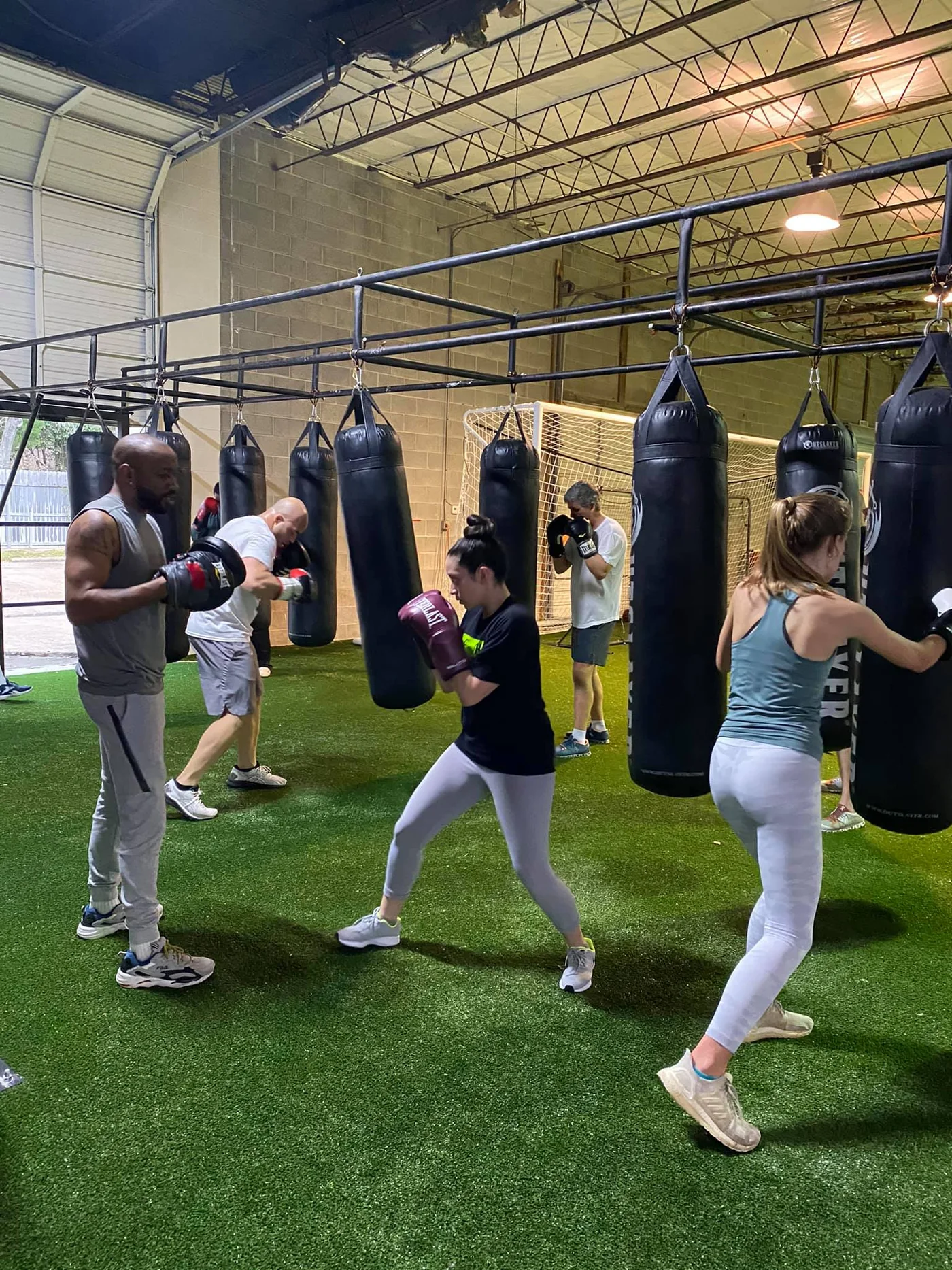
Baby Bull and Main Street West for Structured Entry Points
Baby Bull Boxing, at 4701 Rose Street, publishes a clear starting gate: every student takes a one-time Training Camp covering stance and punch mechanics. Later offerings split into technical bag work, strength and conditioning, mitt work and advanced sparring. That progression lets a novice ask a concrete question—“Which class follows Training Camp for someone who wants technique but no contact?”—instead of guessing from a calendar.
Main Street Boxing Gym West, at 8572 Katy Freeway #104, currently publishes separate kids and adult blocks, private lessons and a multi-class trial. Its west-Houston location may be practical for Memorial, Spring Branch or Energy Corridor households, but check the drive at the actual afternoon class hour. Also ask the age range for “kids,” because the public page names the class without defining every eligible age.
Houston Fight Shop for Fundamentals and Group Training
At 5320 Gulfton Street, Houston Fight Shop describes a controlled fundamentals class built around bags, mitts, footwork, punch technique, offense, defense and partner drills. It explicitly qualifies sparring with “if eligible,” an important distinction for a first-timer. The page also lists kids group classes and personal training.
This is a useful candidate for somebody who wants skills and conditioning in the same room. Before booking, ask whether the class you selected is mixed-level, how beginners are paired for drills and what the eligibility process for sparring involves. “Partner drill” does not necessarily mean head contact, but the gym should explain the difference in plain language.
Rocky's and Houston Colosseum for Age-Banded Development
Rocky's Boxing Gym, 1524 Freeman Street, publishes distinct blocks for ages 6–11, ages 12+, adults 18+ and amateur or experienced boxers. The experienced block requires coach approval. That ladder can help a family understand where a child enters without implying automatic advancement into contact. Confirm which class a 12- or 17-year-old actually joins, because a “12+” label overlaps the later adult label on the public schedule.
Houston Colosseum Academy, 14929 Westpark Drive Suite 200, separates several 60-minute bag and conditioning formats from a two-hour amateur program. Its page says that competitive program introduces youth ages seven and older to boxing fundamentals, hard training and discipline. Parents should still ask how participants are divided by size, maturity and experience, and what coach approval precedes any contact.
Premier Boxing for Fitness for a Fitness-First Route
Premier Boxing for Fitness presents itself as a South Houston fitness gym serving adult beginners, youth ages 7–17 and clients seeking one-to-one training. Its public language emphasizes 60-minute coached sessions, cardio boxing and performance conditioning. That makes it a logical comparison for families prioritizing fitness and confidence rather than an immediate competition track.
Ask which movements involve partners, whether youth sessions are boxing-only, and what technical correction a beginner receives beyond following combinations. A fitness-first class can teach genuine skills, but its success metric may be a sustainable workout rather than amateur bout preparation. Neither goal is inherently superior; the program should match the student's stated aim.
What Adult Beginners Should Expect
You do not need to arrive “in boxing shape.” A legitimate beginner class should scale the workload while teaching enough technique that fatigue does not erase form. Tell the coach about relevant injuries, health concerns and training history before class; seek medical clearance when your clinician has advised it.
Your First Class Is Usually Fundamentals, Not Sparring
A sensible first session begins with orientation and a warm-up, then covers stance, guard, basic movement and one or two straight punches. You may shadowbox, hit a bag or hold pads under instruction. Partner work can mean mirroring footwork or practicing a controlled defensive response; it does not automatically mean trying to hit another beginner in the head.
The current England Boxing coaching handbook advises coaches to explain the session purpose, check health and equipment, create an age- and ability-appropriate environment, and treat mistakes as part of learning. That is a useful observation standard even in Houston: the coach should demonstrate, watch and correct, not merely start a timer and shout combinations.
A beginner-friendly sentence to use
“I want to learn technique and condition, but I am not consenting to spar today. Which parts of this class involve partner contact?” A clear program will answer without pressure.
Gear, Conditioning and Progress in the First Month
Bring comfortable athletic clothes, clean indoor shoes if the gym requires them, water and a small towel. Ask before buying gloves: the gym may lend a pair for a trial, specify a glove size, or require personal equipment for hygiene. Ask whether hand wraps are required and request a wrapping demonstration. A mouthguard and headgear are contact-stage equipment, not proof that a trial must involve sparring.
For the first month, measure consistency and control. Can you hold stance while stepping? Does each punch return to guard? Can you finish a round without swinging wildly? Do you understand the coach's cues and recover between rounds? Two repeatable weekly sessions are usually more useful than one punishing visit followed by ten days away.
Watch real fighters with the same questions. Our boxing TV guide can help you locate a card, then study how often a boxer resets the feet, uses the jab without overreaching and exits after a combination. Observation will not replace coaching, but it gives new vocabulary a live picture.
How Parents Should Evaluate Kids Boxing
A published minimum age answers only whether a child may enter the program. It does not explain class size, supervision, contact, coach screening, parent observation or how instructors respond when a child is tired or frightened. Treat the first visit as an evaluation in both directions.
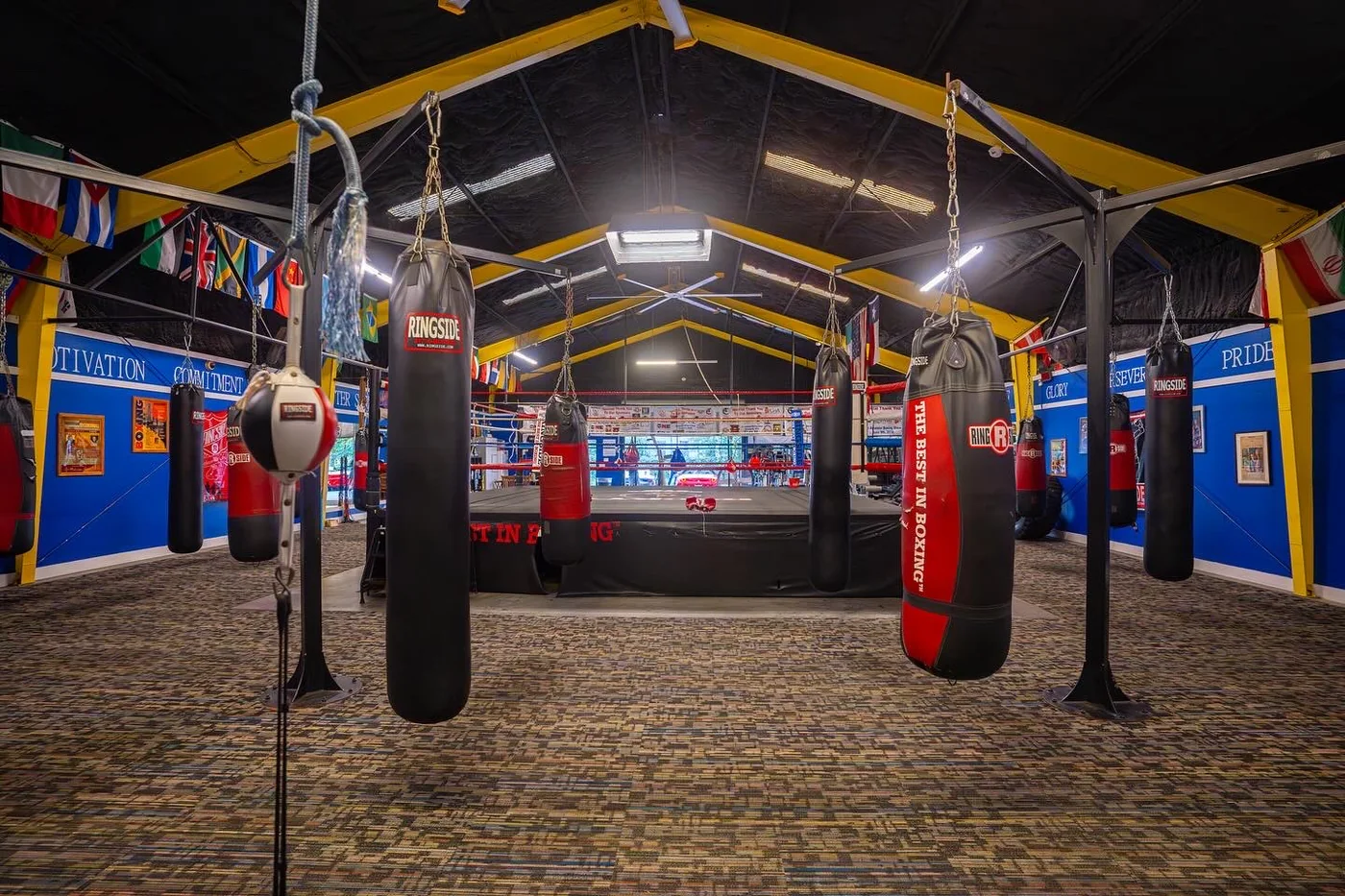
Age Bands Are a Starting Point, Not the Whole Safety Policy
Houston programs publish different entry points. Rocky's lists ages 6–11 and 12+, while Houston Colosseum and Premier publish youth entry from age seven. Main Street West advertises kids classes but does not define every eligible age on its main page. Always call with the child's exact age and experience rather than assuming the word “youth” covers everyone.
Then ask how the class is divided. A six-year-old beginner and a mature eleven-year-old may share an age bracket while needing different instructions, partners and workloads. Good answers describe adjustments by size, skill and attention span. The goal in an early class should be learnable movement, confidence and consistent boundaries, not proving toughness.
Ask Exactly When Contact and Sparring Begin
Use precise language: “Does this class include punches aimed at another child's head or body?” Bags, mitts, shadowboxing, partner footwork and technical touch drills are different activities. Ask what prerequisites, equipment, registration and parent consent apply before any sparring, how partners are matched and who can stop a round.
USA Boxing says members participating in its club training, sparring and competitions must hold membership. Its current membership information also describes background screening for non-athlete members, including coaches, and its SafeSport page makes training mandatory for non-athlete membership. If a gym claims a USA Boxing pathway, ask which coaches and program are registered and verify the club through the official directory rather than treating the logo as a blanket promise.
Watch the Coaching, Space and Pickup Process
Observe whether the coach knows who is present, gives age-appropriate corrections, keeps risky activity in view and intervenes before chaos becomes normal. Check that bags and walkways do not force children into collisions, water breaks are available, first-aid and emergency procedures can be explained, and the gym knows who may collect each child.
The U.S. Center for SafeSport's parent guidance says covered one-on-one interactions should be observable and interruptible and parents must be allowed to observe individual training sessions, subject to policy details. Ask for the program's written communication, transport, locker-room and one-to-one training rules. A reputable coach should welcome reasonable safeguarding questions.
Our full kids boxing parent guide covers readiness, concussion awareness, equipment and signs that a program is moving too fast. Use it before consenting to contact, not after a child has already felt pressured.
Compare the Real Cost of Attendance
The advertised price is only one line in the budget. The useful number is what it costs to attend often enough for the class to matter: membership, enrollment fees, equipment, parking or tolls, travel time and any sessions that expire unused.
Trial Offers, Equipment and Membership Questions
When checked on September 16, 2026, Main Street West advertised a low-cost multi-class trial, Baby Bull advertised a paid beginner Training Camp, and Houston Fight Shop advertised a free first class. Treat each as a dated snapshot. Confirm the total on the booking screen, which classes qualify, when the trial expires and whether it converts automatically into a membership.
Ask for the written agreement before paying. Look for an initiation fee, minimum term, automatic renewal, cancellation notice, freeze policy, class reservation limits and family pricing. Then price the required gloves, wraps and—only if progressing to contact—mouthguard and other approved gear. Borrowing clean trial gloves can prevent a premature purchase, but confirm availability and hygiene practices.
Houston Drive Time Can Decide Whether You Keep Going
A five-mile route at noon may be a different commitment at 5:30 p.m. Houston TranStar's 2025 summary says regional freeway congestion remained near record highs and identifies 7–8 a.m. and 5–6 p.m. as the most delayed hours. That overlaps many before-work, youth and adult class blocks.
Run the trip on the intended weekday, allow time to park and change, and repeat the calculation for pickup. Score each candidate on door-to-door minutes rather than map distance. A slightly less glamorous gym fifteen reliable minutes away can be a better training decision than a famous room you regularly miss.
Monthly cash: dues + fees + equipment + tolls
Monthly time: class + round-trip travel × visits
Access: sessions you can realistically attend
Risk: cancellation, expiry and schedule-change terms
Call Before You Go
A five-minute call can prevent a wasted drive, a mismatched class and an avoidable contract dispute. Tell the gym the student's age, experience and goal, then ask the same questions of every finalist. Record the answers so atmosphere does not erase practical differences after a fun trial.
A Six-Question Verification Checklist
- Which exact class should we book? Confirm date, start time, coach, age band and whether it is technique, fitness or amateur development.
- What contact occurs? Separate bag work, mitts and partner drills from punches directed at another person; ask what consent and approval precede sparring.
- What should we bring? Verify clothing, shoes, water, wraps, gloves and whether clean loan equipment is available.
- What does the trial cost and include? Ask about expiry, eligible classes, reservation rules and automatic conversion.
- What are the written membership terms? Request every fee, commitment, renewal, cancellation and freeze rule.
- How do you protect youth athletes? Ask about coach screening, SafeSport/MAAPP policies where applicable, observation, one-to-one sessions, communication, pickup and reporting.
If amateur boxing is the goal, use USA Boxing's official Find a Club tool and ask the gym to identify its current registered program. Parents can also consult the U.S. Center for SafeSport's Centralized Disciplinary Database for published restrictions and sanctions within its scope. A clean search is useful information, not proof that every person or practice is safe; observation and written policy still matter.
Make the First Month Sustainable
Choose two realistic weekly sessions and arrive early enough to wrap hands without rushing. After each class, note one technical cue, one conditioning challenge and one question. Parents should ask children what they learned, whether anything felt confusing or uncomfortable, and whether the coach respected boundaries.
Reassess after four weeks. You should see clearer movement, specific feedback and growing comfort with the routine—not pressure to spar, buy a long package or ignore pain. If the class type, commute or culture is wrong, use what you learned to try the next verified option. The best Houston boxing class is the one that fits the student's goal, teaches safely and remains reachable enough to attend.
Keep reading
Related boxing articles
Fight Guides
Why UNLV Moved a Football Game for Canelo–Crawford at Allegiant Stadium
By Boxing Schedule Editorial TeamFight Guides
Boxing Ringwalks and NFL Kickoffs: A Sports Viewing Guide
By Boxing Schedule Editorial TeamFight Guides
Join the conversation
Comments
Comments are reviewed before publication. Keep the discussion useful and focused on boxing.
Sign in with Google to comment
Your public comment shows your account name. Your email address is not displayed.
Commenting as
Loading comments…