Best Boxers in the World in 2026: P4P Rankings Explained
Read a dated men's pound-for-pound top ten and understand how opposition, activity and technical performance shape the debate.
The 2026 Top Ten Depends on the Ranking You Use
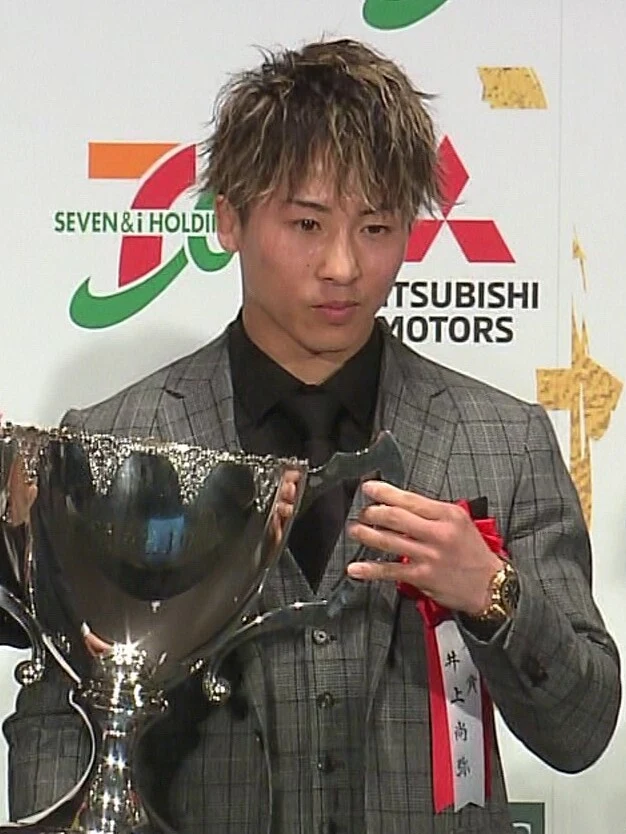
Naoya Inoue leads the men's pound-for-pound list displayed by the Transnational Boxing Rankings Board when checked on October 1, 2026. That is a clear answer to one version of the question about the best boxer in the world. It is not a universal verdict from every publication, nor an official championship awarded across all weight divisions.
Pound-for-pound ranking asks how a fighter's achievement and ability compare with those of athletes who compete at different sizes. It does not ask whether a small champion would beat a heavyweight in an actual bout. Size remains important in real competition; the ranking is an attempt to evaluate excellence without letting the largest division monopolize the discussion.
| Position | Boxer |
|---|---|
| 1 | Naoya Inoue |
| 2 | Jesse Rodriguez |
| 3 | Shakur Stevenson |
| 4 | Dmitry Bivol |
| 5 | David Benavidez |
| 6 | Oleksandr Usyk |
| 7 | Jaron Ennis |
| 8 | Saul Alvarez |
| 9 | Junto Nakatani |
| 10 | Oscar Collazo |
This is the TBRB page's displayed order, with the observation date supplied here because the page does not show a clear last-updated date beside the list. The order can change. Read it as a dated source snapshot, then check the source again before describing it as the current ranking after another major fight.
Notice the mix of styles. There are powerful combination punchers, careful distance managers and fighters whose best work comes from changing the angle of an exchange. A useful top ten should open a discussion about those differences. Reducing it to who looks most destructive on a highlights reel misses much of what elite boxing demands.
This article focuses on the men's list because that is the ranking reproduced above. Women's boxing has its own leading athletes and separately maintained pound-for-pound lists. A men's top ten is not a list of every excellent boxer, and separating the competition fields should not obscure the achievements in either.
The most productive way to disagree with an entry is to name the evidence that should move it: stronger opposition, a more convincing performance, a different activity standard or better demonstrated adaptability. A ranking without that explanation is just an ordered collection of famous names. The sections below give fight fans a practical way to test the argument.
How to Judge a Pound-for-Pound Argument
A strong ranking argument begins with the question being answered. Are you rewarding the best recent run, the strongest full career among active fighters or the athlete whose technique appears most complete? Those questions overlap, but they are not identical. A fan who values a remarkable past achievement may reasonably place a boxer differently from a panel applying a strict activity rule.
Opposition and Performance Come Before Popularity
Start by examining the opponent. Was the win earned against a leading fighter in that division, someone moving into unfamiliar territory or a challenger whose strongest period had already passed? The answer changes the evidence. The name on a record can remain famous long after the competitive circumstances that made it famous have changed.
Then examine how the winner handled the challenge. A convincing performance can involve pressure, accurate counters, patient body work or disciplined movement. The method matters because it shows what problem was solved. A boxer who has demonstrated several answers against strong opposition offers a deeper case than one whose preferred pattern has never been seriously disrupted.
Our practical reading method is to separate accomplishment from projection. Winning an important bout is an accomplishment. Believing an athlete would defeat other champions is a projection. Both can inform a discussion, but the second should not quietly replace the first. Potential becomes stronger evidence when it survives an actual demanding contest.
Popular entrances, large purses and social-media followings describe commercial appeal. They can explain why a bout receives attention, but they do not establish who produced the best boxing. Use those facts to understand the event's audience; use opposition and performance to assess the fighter.
Activity Changes the Meaning of Current
TBRB states that a year of inactivity triggers removal from its list. The Ring's April 20, 2026 update likewise explains Artur Beterbiev's departure through inactivity. A removal of that kind does not mean an opponent defeated him on the night.
This is why an old screenshot can mislead even if every name in it once belonged there. An inactive athlete's skills may remain respected, but the evidence for calling them best right now grows older. A current list needs a date, an activity standard and a willingness to change after meaningful results.
When comparing publications, keep the same time window. A pre-fight list and a post-fight list are not contradictory merely because the order differs. The interesting disagreement is what the same set of completed contests should mean, and which criteria explain the different conclusion.
Inoue, Rodriguez and Stevenson Set Different Technical Tests
The leading three in this snapshot offer different reasons to watch. Their distinctions are more useful than a generic claim that each has speed, power and boxing intelligence. The following technical reading explains what to look for in their work; it is editorial analysis, while the named achievements are tied to completed fights.
Naoya Inoue: Make the Opening Count
Inoue's threat is not just the force of an isolated punch. Watch how his balanced stance makes the opponent account for both the head and body, and how a short combination can punish a reaction to the first shot. When a fighter defends one target, the opening at the other target becomes the important detail.
His May 2, 2026 unanimous decision over Junto Nakatani at Tokyo Dome supplies a major recent reference point. The WBA's scoring analysis confirms the result. A decision against a demanding opponent should be evaluated through the quality of the challenge and the rounds won, rather than marked down simply because it lacks a knockout.
For a viewing exercise, follow the punch before the clean connection. Was the opponent occupied by a jab, drawn into a counter or made to lower a guard? That preceding step often reveals more about Inoue's skill than the finish shown repeatedly in a short clip.
Jesse Rodriguez: Create the Angle
Rodriguez's work invites attention to his feet. A small positional change can turn an ordinary exchange into a moment when his punch travels along an open line and the reply must travel farther. The opponent has to reset while Rodriguez is already prepared to continue the attack.
His first major title came against Carlos Cuadras in 2022, a starting point documented by his promoter's career profile. The useful question is how that ability translates against experienced opponents: can he create the angle without giving away balance, and can he remain defensively responsible while extending a combination?
Shakur Stevenson: Control the Terms
Stevenson offers another route to elite performance. Distance control can make an opponent's preferred attack begin from the wrong place. A short retreat, a check with the lead hand or a measured counter can deny the sequence before it develops. Watch the failed setup as carefully as the punch that lands afterward.
On January 31, 2026 he defeated Teofimo Lopez to become a four-division title winner. That completed result provides a concrete example of control translating into an important achievement. An orderly decision victory should not be confused with lack of ambition; the issue is whether the boxer imposes his terms against an opponent capable of resisting them.
Bivol, Benavidez and Usyk Show Why Size Needs Context
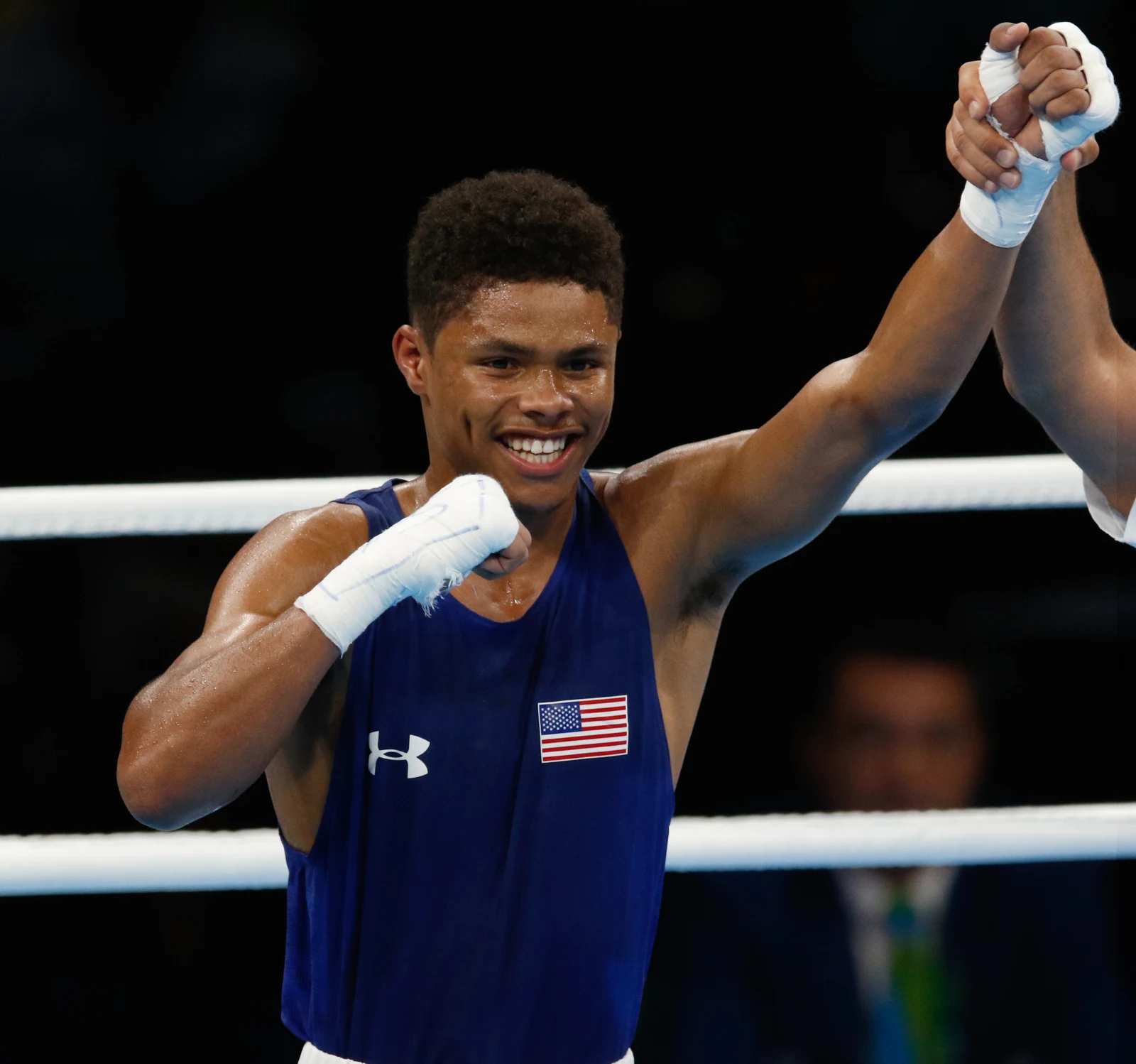
Fighters at the larger weights can offer very different evidence of excellence. Physical strength is important, but the relevant question is how an athlete uses it against another skilled opponent of substantial size. The challenge is not solved by being powerful on a bag or appearing imposing at a weigh-in.
Two Different Ways to Solve Elite Opponents
Bivol's case is closely associated with disciplined distance, repeatable combinations and orderly exits. When evaluating his work, watch whether he finishes an attack in a position from which he can defend the return. Maintaining that structure under pressure is harder than displaying it against an opponent who offers little resistance.
His February 22, 2025 majority decision over Artur Beterbiev reversed the result of their first meeting and delivered an undisputed light-heavyweight achievement on that night. The important point for this discussion is the completed competitive test. It is not a claim that every belt from that night remains in his possession today.
Benavidez's pressure presents a different test. Repeated combinations can make an opponent choose between answering, moving and covering up; the next attack arrives while that decision is still being made. To assess the quality of the pressure, look for accurate contact, recovery of balance and defense during the opponent's response. Volume without those details would be a less persuasive case.
His February 1, 2025 unanimous decision over David Morrell supplies an example against another accomplished unbeaten opponent at the time. Both boxers had to solve a serious challenge. That is a stronger reference than merely counting how many stoppages appear on a record or assuming that a forceful style always beats a measured one.
Usyk's Heavyweight Work Is More Than a Size Story
Usyk's two 2024 victories over Tyson Fury, culminating in the December 21 unanimous decision, demonstrate why heavyweight success should be read through technique as well as stature. Footwork, a southpaw stance and the ability to sustain organized attacks can change how a larger opponent uses his reach.
In a viewing exercise, follow how Usyk gets close enough to threaten a straight left without remaining stationary in the opponent's preferred line. The productive detail is often the adjustment in position that makes the next exchange possible. That perspective gives the smaller heavyweight's work an explanation beyond a simple account of courage.
Usyk is sixth in the TBRB snapshot reproduced here. Other panels and many fans can make a higher case based on his achievements. Reporting this order does not require dismissing that argument. It requires keeping the source attribution visible and discussing which evidence a different order would emphasize.
The Rest of the Ten and the Names Outside It
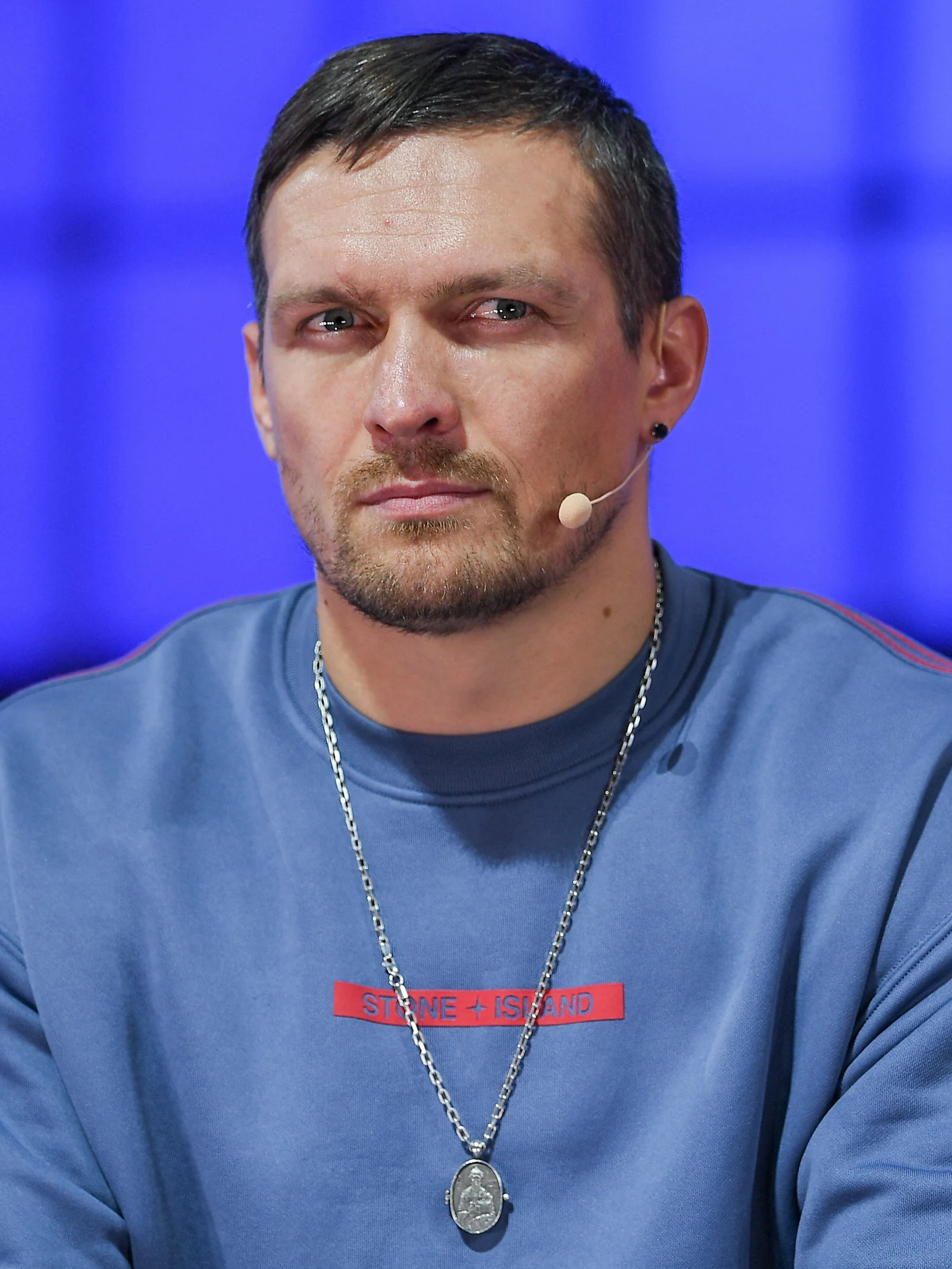
Positions seven through ten should not be read as an afterthought. A list needs a boundary, but the difference between its final entry and an omitted contender can be much smaller than the difference between an elite fighter and a developing prospect. The best discussion at that boundary compares actual accomplishments instead of treating inclusion as a permanent credential.
Ennis, Alvarez, Nakatani and Collazo
Ennis supplies a case built around offensive versatility and the ability to turn a setup into sustained accurate work. His April 2025 stoppage of Eimantas Stanionis is a useful completed reference. The official New Jersey result records the ending at 3:00 of round six, during the rest period. That detail helps distinguish the recorded finish from an assumption based on the round in which a replay begins.
For Alvarez, the question includes how to balance a long elite career against more recent evidence. His September 2025 defeat to Terence Crawford belongs in that assessment. A loss cannot be deleted because the fighter is famous; it also does not automatically erase everything that came before it. A current argument should state which part of the career carries the most weight.
Nakatani's May 2026 defeat to Inoue raises a related issue. Losing to another outstanding boxer can reveal limitations while still leaving a strong body of work. When reviewing that contest, consider which rounds were competitive, what the opponent prevented and whether the fighter found useful adjustments. Merely adding one to the loss column is a thinner analysis.
Collazo reminds a casual viewer to look beyond the divisions receiving the largest English-language broadcast audiences. Excellent boxing in the smallest weight classes should be evaluated by opponent quality, command of the division and performance, not discounted because its athletes are lighter. His presence in this source's top ten makes that part of the sport a sensible place to expand a viewing habit.
None of these observations requires declaring that every omitted boxer is less talented. A publication has only ten places, may apply an inactivity threshold and may value one achievement differently from another panel. Devin Haney and other established names can appear on a different source's list without making either list an official selection rule for a championship bout.
If you want to propose a replacement, compare the proposed entrant directly with the boxer you would remove. Use the same date range and the same tests for both. That turns a complaint about a favorite's absence into an argument another fight fan can assess.
Use Rankings to Choose Fights, Then Recheck the Evidence
A pound-for-pound list is most useful when it directs you toward good boxing. Choose one fighter whose style you understand and another whose work you have rarely watched. Compare a complete demanding bout from each rather than comparing their best thirty seconds. A highlights package selects successful moments; a full contest shows what happened when the opponent interrupted the preferred pattern.
Build the comparison around a specific question. For a pressure fighter, ask whether the forward movement creates clean opportunities or merely narrows the space. For a counterpuncher, ask whether defensive moves support enough effective offense to win rounds. For an angle-based combination puncher, watch the position after the final shot. These questions make a technical judgment testable.
Keep the opponent's role visible. The same movement can succeed against one style and fail against another. An impressive performance against an opponent with a difficult jab, strong inside work or reliable pressure tells you something specific. It does not automatically settle every hypothetical bout against every other athlete on the list.
Use the boxing fights this weekend page to find available cards, then check the event information for scheduled rounds, broadcaster and your region. A ranking position does not guarantee that a boxer is appearing on the next broadcast, and a rumored opponent is not a confirmed bout.
After the event, read the completed boxing results before updating your opinion. Separate a scheduled contest from an actual result, and a stoppage method from a decision. If official scorecards are available, they give a useful comparison with the round notes you made while watching.
Resist changing ten places after every dramatic finish. Ask how strong the defeated opponent was, how convincingly the winner solved the problem and whether the performance adds something missing from the earlier case. Equally, resist protecting an old order simply because you enjoyed the fighter's best period. Current evidence should be able to change a current judgment.
For the October 1, 2026 source snapshot in this guide, the factual answer is that TBRB displays Inoue first. The broader debate remains open because different informed panels can weigh the evidence differently. Your own view becomes more useful when it names the source date, recognizes the competition field and explains the boxing that supports the position.
Keep reading
Related boxing articles
Fight Guides
Why UNLV Moved a Football Game for Canelo–Crawford at Allegiant Stadium
By Boxing Schedule Editorial TeamFight Guides
Boxing Ringwalks and NFL Kickoffs: A Sports Viewing Guide
By Boxing Schedule Editorial TeamFight Guides
Join the conversation
Comments
Comments are reviewed before publication. Keep the discussion useful and focused on boxing.
Sign in with Google to comment
Your public comment shows your account name. Your email address is not displayed.
Commenting as
Loading comments…