Why Boxing Fans Are Angry With DAZN's Subscription Plus PPV Model
Why a DAZN subscription may not include every pay-per-view fight, what fans mean by double paywall, and how to check the real viewing cost.
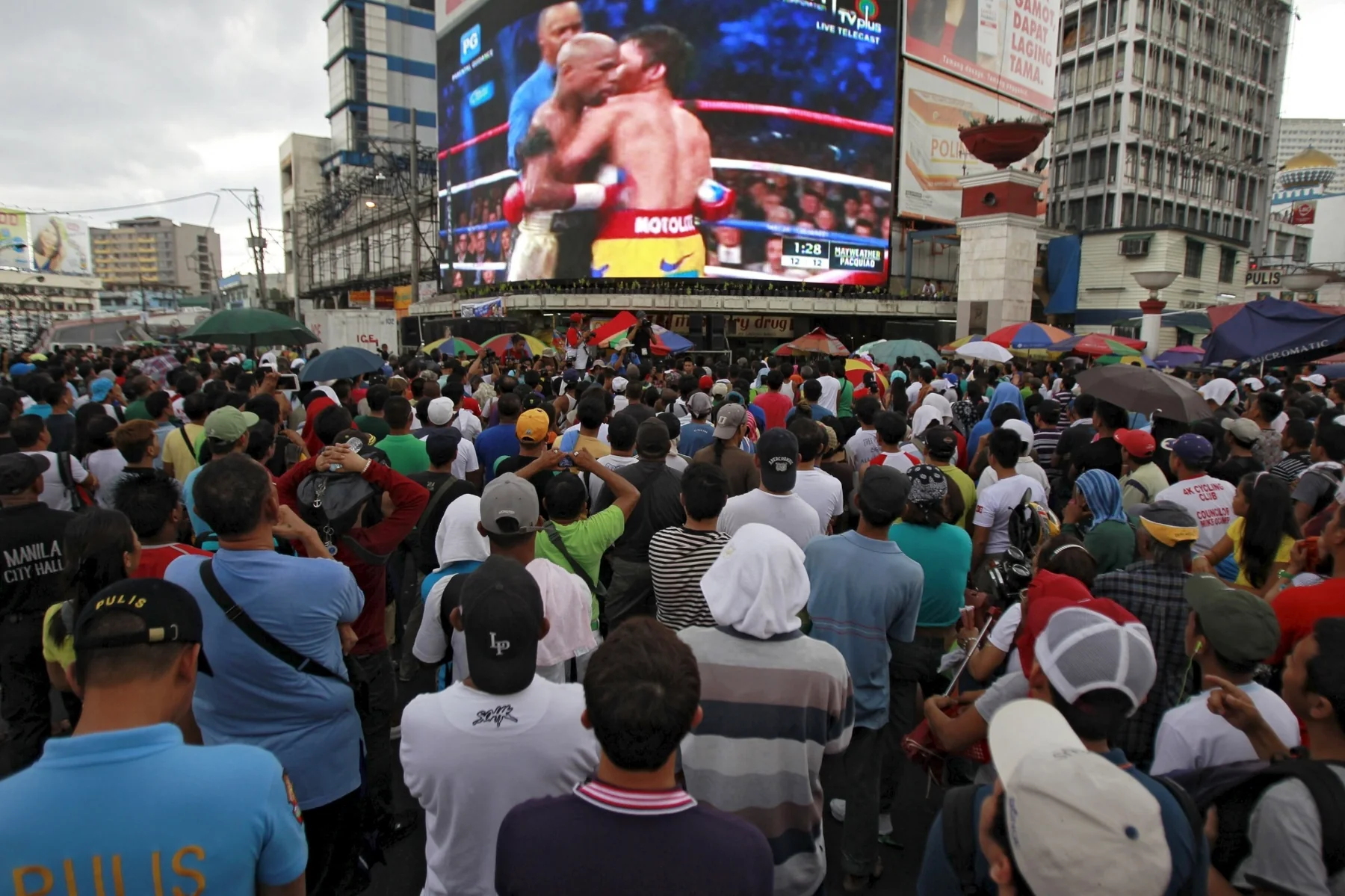
Why the Same Fight Can Produce Two Charges
The anger begins with a simple checkout-screen problem. A fan sees a major fight advertised at a pay-per-view price, creates a DAZN account and then discovers that the event is not the only product in the basket. Under DAZN's standard PPV flow, the viewer also needs an active paid subscription. DAZN regards those as two separate purchases with two separate jobs. Many customers experience them as one expensive decision: how much must I pay tonight to see this fight?
That distinction explains why both sides can describe the same bill differently. DAZN can accurately say the subscription is a library and year-round live-sports service, while a fan can accurately say the desired main event remains locked until another fee is paid. The useful question is not whether either description is technically true. It is whether the combined offer provides enough value for the kind of fan making the purchase.
What the Base Subscription Buys
A regular DAZN plan is not merely an account fee. The company's help pages say it includes non-PPV boxing events, fight replays and archives, original programming and other live content available in the customer's territory. DAZN also promotes a large annual fight-night inventory from several promoters. A committed viewer who watches prospects, midweek shows, international cards and archives can receive substantial use before buying a single premium event.
That breadth matters because the harshest version of the criticism—“the subscription buys nothing”—is inaccurate. The real dispute is about relevance. A casual fan arriving for one famous boxer may attach little value to dozens of other cards. A dedicated fan may watch them every week. DAZN sells the same base service to both, but its practical value is radically different for each.
What the PPV Fee Unlocks
The PPV payment unlocks one event that DAZN has placed outside the regular plan. The platform marks those cards with a PPV label, and the purchased event is normally available live and for a stated replay window. Buying the subscription alone does not unlock a Standard-tier PPV. DAZN's own instructions tell new web customers to choose a monthly or annual plan and add the event on top; customers using some app stores may complete the subscription and event purchases as two steps.
In product terms, the base plan sells ongoing access while PPV sells a premium event license. That hybrid structure is familiar elsewhere in combat sports. What makes DAZN especially sensitive is its history as a streaming alternative to traditional boxing PPV and the ease with which a headline event advertisement can dominate the perceived offer. Fans remember the promise of a simpler subscription even when the present terms say otherwise.
Why Occasional Viewers Call It Double Charging
“Double charging” is fan language, not a finding that the same item was billed twice. It captures the feeling that two mandatory payments stand between a viewer and one fight. If the fan did not want the wider catalog before seeing the event promotion, attaching a subscription can feel like an admission fee for the privilege of buying another ticket.
The frustration grows when the shopper compares only the bold PPV number across platforms. The fair comparison is the full amount due, the length of any plan commitment, whether a trial converts automatically and what remains watchable afterward. A low event price paired with a longer obligation can cost more than a higher genuinely one-off purchase.
This is also where consumer criticism can cross into an unhelpful piracy argument. High prices may explain why some people refuse to buy, but they do not make unauthorized streams legal or reliable. Our legal boxing viewing guide covers licensed alternatives. The sharper criticism is commercial: a product designed for year-round subscribers is awkward for viewers who value exactly one night.
How DAZN Moved From a PPV Alternative to a Hybrid Model
The current backlash makes more sense in historical context. DAZN did not enter US boxing as merely another PPV storefront. Its 2018 Matchroom deal was presented as a streaming challenge to the established premium-event system. Big cards would sit inside a comparatively simple subscription, and prominent industry voices predicted that the old model would fade. That origin created an expectation as powerful as any present-day price table.
The Original Subscription Promise
When Matchroom's US deal was announced in May 2018, the proposition was scale: numerous fight nights delivered through a streaming membership rather than the traditional US PPV route. Later that year, the enormous Canelo Álvarez agreement strengthened the impression that even boxing's biggest attraction could live inside the subscription. For viewers tired of paying a large one-night fee, DAZN appeared to offer a clean trade—one recurring payment in exchange for a deep calendar.
Strictly speaking, promotional ambitions are not eternal contractual promises. Rights deals end, fighter guarantees change and platforms revise products. Yet brand memory matters. Fans who subscribed because DAZN symbolized “the end of PPV” naturally interpret the return of PPV as a retreat, even if each current checkout discloses the fee. The grievance is therefore partly economic and partly about lost simplicity.
Premium Events Returned, Then Ultimate Arrived
DAZN eventually concluded that the subscription price alone could not sustain every superstar-level event. When the platform brought PPV back, its leadership publicly acknowledged that its earlier position had been wrong. The result was the hybrid structure: a recurring catalog for ordinary programming plus separate prices for cards designated premium. It can finance expensive events without pushing the base fee to the same level for every subscriber, but it also recreates the barrier DAZN once promised to disrupt.
In November 2025, DAZN introduced Ultimate as a second answer. The company announced an annual-commitment tier built around 185-plus fight nights and at least 12 included PPV events a year. In the UK, its official help page lists the post-launch price as £24.99 per month on annual instalments or £249.99 upfront; the exact figure and offering vary by market. In the US, launch reporting described a $44.95 monthly annual plan. Those dated figures illustrate the model, not a universal price quote.
Ultimate materially changes the debate for a fan who expects to buy many premium cards. Instead of a base subscription plus repeated event charges, the viewer prepays through a higher recurring tier. But it does not make the complaint obsolete. An occasional viewer may not want a 12-month product, and DAZN continued to offer PPVs separately to subscribers after Ultimate launched. The platform now serves three different behaviors—regular catalog viewing, occasional premium purchases and frequent PPV consumption—yet the boundary between those products is not always obvious from a fight poster.
The Four Complaints Behind the Backlash
Fan anger is not one complaint repeated four ways. It comes from different audiences colliding with the same sales system. The occasional buyer dislikes the entry fee, the price-sensitive buyer fears a longer commitment, the boxing purist disputes which cards deserve premium status, and the international audience cannot understand why a deal described online does not match the one on its own screen.

A One-Fight Buyer Still Needs a Plan
This is the cleanest objection. Traditional box office products have often allowed a non-subscriber to buy a single event through a cable or streaming distributor. DAZN's own current help page says a subscription is required to purchase a PPV. Promotional trials may soften that requirement for selected events, but they do not make “one event, no other account decision” the default experience everywhere.
The policy favors viewers who might discover the wider catalog. It frustrates fans following a celebrity, national hero or rare undisputed-title fight rather than boxing every weekend. Their demand is event-specific, so adding access to unrelated programming does not necessarily add perceived value.
Annual Commitments Make the Checkout Feel Bigger
A price expressed “per month” is not always a cancel-anytime monthly plan. DAZN distinguishes flexible monthly access from annual plans paid in monthly instalments. Ultimate is also presented as an annual commitment in its official UK help table. A customer who reads only the monthly figure can underestimate the total obligation even when the full terms appear elsewhere in checkout.
This is why the plan name and renewal date deserve as much attention as the headline amount. “Pay monthly” describes the payment cadence; it does not by itself answer how long the contract lasts. Fans posting complaints about being locked in are evidence that this distinction causes confusion, although an anonymous post cannot establish what each person was shown.
PPV Quality Is Subjective but the Price Is Not
No sanctioning body certifies a card as worthy of PPV. The label is a commercial decision based on rights costs, star power and expected demand. Fans apply a different test: Is the main event elite and competitive? Is the undercard deep? Would this have been part of a normal subscription a few years ago? Two reasonable viewers can grade the same card differently.
The bill, however, is objective. That creates resentment when an ordinary-looking matchup receives a premium label. World Boxing News, for example, criticized the perceived caliber of several early 2026 Ultimate events. That is opinion, not proof that DAZN failed to deliver its stated minimum. Still, it identifies the central risk of promising a number of PPVs: quantity can be counted, while “premium” cannot.
Country-by-Country Differences Create Confusion
DAZN operates across many rights territories. Local currency, taxes, promotional deals, app-store billing, available sports and competing broadcasters all influence the offer. A US viewer, a UK viewer and a German viewer may see different prices or even different access rules for the same event. Articles and social posts often quote one market without naming it, turning valid local information into bad global advice.
Before concluding that someone else found a secret discount, check the country and purchase channel. App-store pricing can differ from buying on the web, and a territorial partner may sell a card independently. Our live boxing-on-TV listings help identify the current broadcaster, but the binding price is always the total displayed in the viewer's own market immediately before payment.
DAZN's Case for Charging a Subscription and PPV
A fair analysis cannot stop at the checkout objection. DAZN is assembling a global boxing schedule from separate promoters, territories and event budgets. The company argues that the recurring fee supports a substantial everyday product, while individually priced premium cards fund exceptional content. Fans can reject the value without pretending the base catalog or the cost of staging major fights is imaginary.
The Subscription Funds a Year-Round Boxing Schedule
DAZN says it offers more than 185 fight nights per year across relationships that include Matchroom, Golden Boy, Queensberry and other rights holders. Not every event is a superstar attraction, but that is part of the subscription's purpose: regional cards, contenders and developing fighters need distribution too. Archives, shoulder programming and replays add viewing hours that cannot be captured by counting only famous Saturday main events.
There is a healthy boxing argument for that breadth. A platform that paid only for proven PPV stars would offer fewer opportunities to prospects and smaller promoters. Regular subscription revenue is more predictable than hoping every show sells enough individual buys. The drawback is cross-subsidy: a casual fan may be asked to support the broader ecosystem before purchasing the one attraction that brought them in.
Blockbuster Rights Have Separate Economics
Major boxing events are unusually expensive and fragmented. Headliners may command guarantees and revenue participation; promoters also fund the undercard, venue, production, insurance, travel and marketing. A platform can cover that risk through a rights fee, advertising, sponsorship, a host-site payment, subscription growth, PPV revenue or some combination. There is no rule that a subscription alone must carry every cost.
DAZN's stated position is that PPVs are individually priced to provide exclusive access to premium content. In the strongest version of that case, making a genuine blockbuster PPV protects the affordability of the standard tier for viewers who do not want it. The skeptical response is equally legitimate: the label can spread to events that fans would previously have expected inside the plan. Because event accounts are rarely public, outsiders should avoid claiming a specific card could or could not have been financed without PPV.
Ultimate Is Designed for Frequent PPV Buyers
Ultimate converts uncertain event-by-event spending into a higher fixed annual cost. DAZN says the plan contains at least 12 PPVs and calculates large savings against buying a flexible plan plus twelve separate events. That comparison is meaningful for a viewer who really would purchase all twelve. It is misleading as a personal savings estimate if the fan would otherwise buy only two.
The tier also gives DAZN steadier revenue and gives committed fans budget certainty. Those incentives are not automatically anti-consumer; subscriptions commonly exchange flexibility for a lower expected unit cost. The decisive issue is fit. A hardcore household that hosts most major fight nights can rationally prefer Ultimate. A viewer interested in a single boxer can rationally resent being steered toward it. Both reactions follow from usage, not ignorance.
What the Model Really Costs Different Boxing Fans
The phrase “DAZN costs X” is usually incomplete. The real total is plan price plus separately purchased events, taxes and any commitment that continues after fight night. A useful comparison begins with behavior, not a promotional maximum. Count only events you would actually buy; assigning value to twelve cards you would otherwise skip manufactures savings on paper.
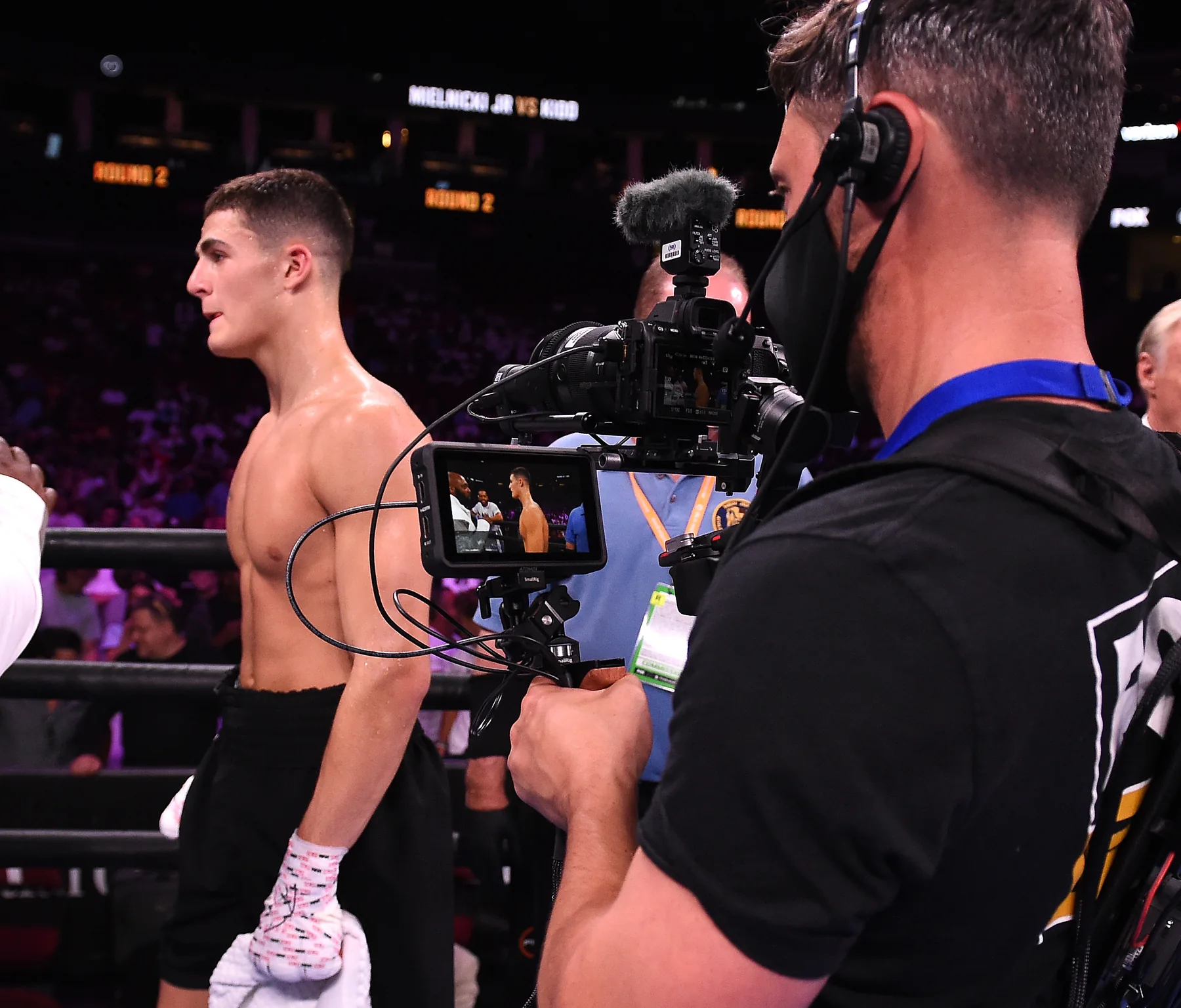
The Occasional-Fight Scenario
Suppose a viewer wants one PPV all year. The relevant total is the PPV price plus the cheapest eligible subscription or trial arrangement available for that event, including any required notice period or renewal. The viewer should then compare that all-in figure with another licensed distributor offering the same card. If no standalone alternative exists, the decision is simply whether that one night is worth the combined cost.
This fan should be cautious about an annual discount. Paying less per month is not a saving if eleven months go unused. On the other hand, an event-linked short trial can reduce the effective extra cost if the viewer cancels on time and the offer explicitly applies in that territory. The checkout summary, not a search-result snippet, decides.
The Regular Subscriber Scenario
A regular subscriber watches the non-PPV schedule regardless of premium cards. For that household, the base plan is not an incremental fight-night charge; it is an already-valued service. The annual calculation becomes base-plan total plus the two, three or four PPVs the fan truly expects to buy. This is the group for whom a hybrid model can be reasonable until the separate event count rises.
Use current official figures only as a snapshot. DAZN's US notice effective September 10, 2026, for example, lists Standard Monthly at $34.99 and Standard Annual Upfront at $249.99, while stating that Ultimate pricing was unchanged. That does not describe the UK, a promotional account or tomorrow's offer. It demonstrates why multiplying an old review's monthly quote by twelve can produce the wrong answer.
The Ultimate Scenario
The practical break-even test is straightforward. Subtract the annual Standard total from the annual Ultimate total. Divide that difference by the average price of PPVs you would otherwise purchase. The result is approximately how many included premium events must matter to you before Ultimate wins on price. If Ultimate costs $290 more and the relevant PPVs average $60, it breaks even near five purchases—not twelve—provided those five are included. Those numbers are an illustration, not a current quote.
Personal break-even formula
(Your annual Ultimate total − your annual Standard total) ÷ the average PPV price you would actually pay.
Then apply two reality checks. First, verify the desired cards are part of the included offering rather than assuming every event worldwide is identical. Second, price the lost flexibility of a 12-month term. A mathematically lower event cost does not help someone whose viewing interest may disappear after one matchup. Ultimate is best understood as season-ticket logic: good value for a frequent attendee, poor value for someone who only wants the championship night.
How to Pay Only for the Boxing You Intend to Watch
Fans cannot redesign boxing's media economy at checkout, but they can prevent a rushed fight-night purchase from becoming a surprise year-long bill. The safest habit is to separate event research from payment. Confirm the card and broadcaster early, inspect the plan on the same device and account you will use, then buy only after the final screen matches your intention.
Check the Event Tile, Plan Term and Final Total
Start with the event tile. Is it marked PPV, included with Ultimate, part of Standard or available through a temporary trial? Then read the exact plan label. “Annual—pay monthly” is an annual commitment, while Monthly Flex may involve a notice period rather than instant cancellation. Check the renewal date, taxes and whether the displayed event price excludes the subscription.
Next, note who takes payment. A web purchase may be managed in DAZN's My Account area; an Apple, Google, Amazon or Roku purchase can involve that provider's billing system. Keep the confirmation email and a screenshot of the total, plan name and renewal details. This is ordinary recordkeeping, not an assumption that something will go wrong.
Five-minute checkout check
- Correct event and territory
- PPV included or separately charged
- Flexible month or 12-month commitment
- Trial conversion and cancellation deadline
- Final total and billing provider
Do this before the undercard starts. Live-event urgency makes shoppers skim, and a support conversation at ringwalk time cannot guarantee access. DAZN's help center says eligible PPVs remain viewable even if a linked trial is canceled before the event, but offers vary, so rely on the terms attached to the specific purchase.
Compare Legal Options Before Fight Week
DAZN may be exclusive in your market, or the event may also be available through a cable box office, another streaming distributor or a venue showing the fight commercially. Compare the all-in price, replay period, supported devices and cancellation obligation—not just the PPV line. A marginally higher standalone ticket can be cheaper than a low ticket attached to months of unused access.
Use the boxing tonight schedule to confirm the event and start-time information, then follow the official broadcaster link for your location. Avoid search ads or social posts offering suspiciously cheap access; licensed availability changes by country, and an unauthorized feed can disappear in the championship rounds.
The final verdict on DAZN's subscription-plus-PPV model is therefore conditional. The criticism is strongest for a one-fight customer forced to buy a service they did not seek, especially when the contract length is not understood. DAZN's defense is strongest for a year-round viewer who uses the catalog and for an Ultimate subscriber who would have purchased many included events anyway. The model is not inexplicable, but it makes transparent all-in pricing essential. Boxing fans are angry because the sport's biggest nights already demand attention, time and money; discovering that the advertised ticket has another gate in front of it makes the relationship feel needlessly adversarial.
Keep reading
Join the conversation
Comments
Comments are reviewed before publication. Keep the discussion useful and focused on boxing.
Sign in with Google to comment
Your public comment shows your account name. Your email address is not displayed.
Commenting as
Loading comments…